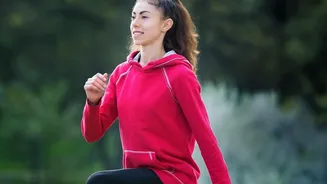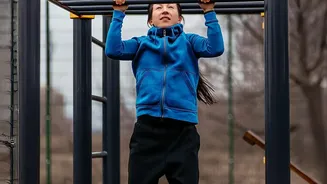







Notice something different about your local park? Alongside the usual walkers and joggers, you might see a high-energy boot camp or a serene yoga class. This isn't a coincidence; it's a significant shift in the fitness landscape.
The Post-Pandemic Push Outdoors
The global pandemic was
a major catalyst for this trend. With gyms and studios forced to close or operate under strict capacity limits, instructors and clients moved their sessions outside out of necessity. This temporary solution quickly revealed its long-term appeal. Participants grew accustomed to the flexibility and fresh air, and many developed a lasting preference for outdoor workouts. Even as indoor facilities have fully reopened, the appeal of exercising in open, well-ventilated spaces remains strong, driven by a newfound appreciation for outdoor activities and community connection.
A Healthier Bottom Line for Everyone
One of the most compelling drivers of this shift is economics. For fitness instructors, the overheads of a traditional studio—rent, utilities, and expensive equipment—are significant barriers. Parks offer a low-cost or even free alternative, allowing trainers to run a more financially viable business and pass those savings on to their clients. As a result, participants often get access to high-quality coaching at a more affordable price point than a premium boutique studio membership, making fitness more accessible to a wider audience.
More Than Just a Workout
Exercising outdoors offers mental and physical benefits that a climate-controlled gym cannot replicate. Exposure to sunlight provides a natural boost of Vitamin D, essential for bone health and immune function. Studies have shown that 'green exercise'—physical activity in natural environments—can reduce stress, improve mood, and increase feelings of revitalization and energy more effectively than indoor workouts. The calming effect of nature, combined with movement, creates a holistic wellness experience that supports both physical and mental health.
Building Stronger Communities
Outdoor fitness classes are fostering a new sense of local community. Unlike the sometimes intimidating or exclusive atmosphere of a private gym, park workouts are public and visible. This visibility makes fitness feel more approachable and inclusive, welcoming people of all ages and abilities. These sessions become neighbourhood hubs where people can socialise, build friendships, and motivate one another. This element of social cohesion and mutual encouragement is a powerful motivator, helping people stay consistent with their fitness routines.
Flexibility and Fresh Challenges
The outdoor environment offers unparalleled variety. Unlike the static setting of a gym, parks provide dynamic and uneven terrain that challenges the body in new ways, improving balance and strengthening stabiliser muscles. Instructors can use park benches, tree branches, and open fields to create diverse and functional workouts that mimic real-life movements. This natural variety not only keeps the workouts engaging but also helps participants burn more calories and avoid the monotony that can lead to a fitness plateau.