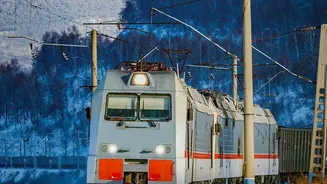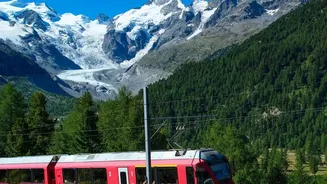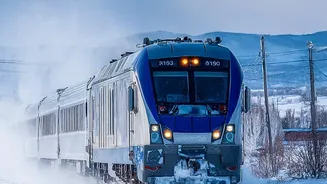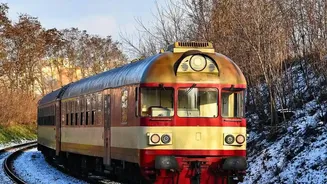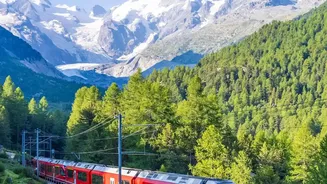

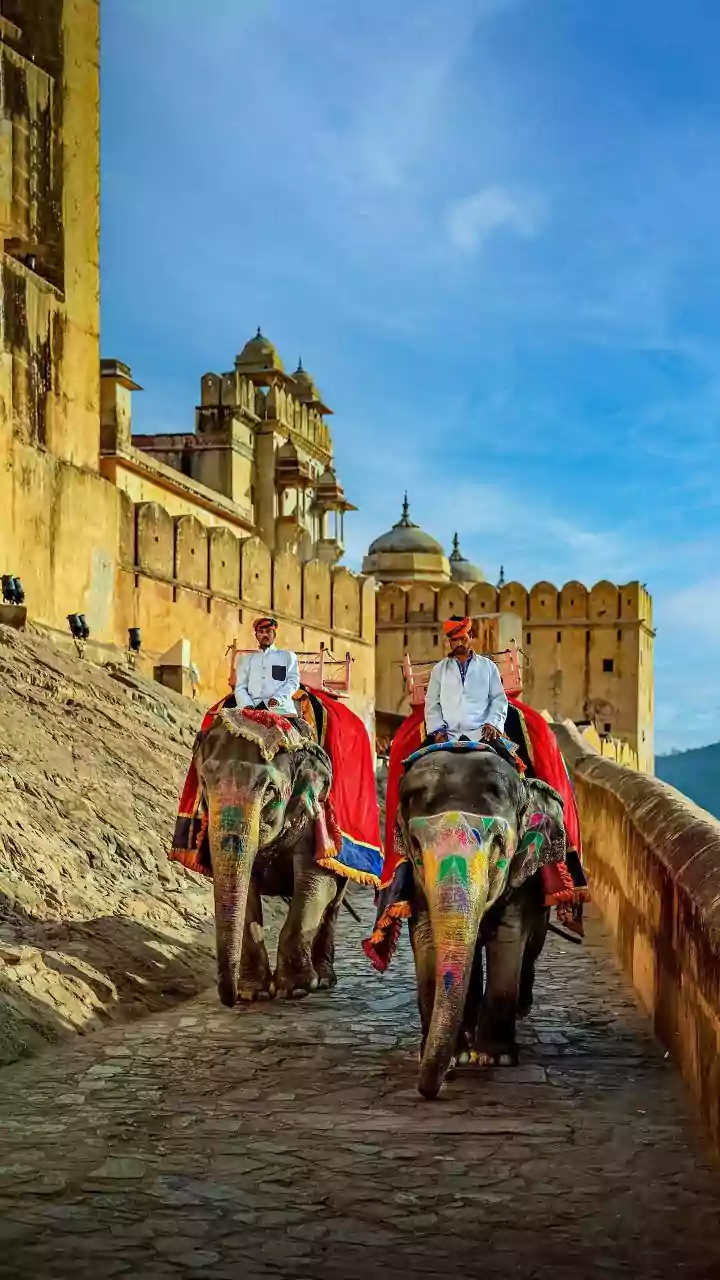
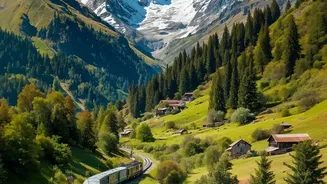
Why A Winter Train Journey?
Choosing a train for a Himalayan winter trip isn't just about nostalgia; it’s a practical and often breathtaking choice. As roads to higher altitudes can become unpredictable due to snow or ice, a train offers a reliable and safe way to cover the initial
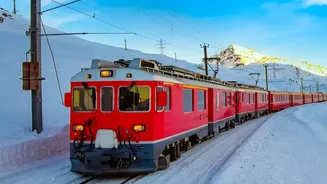
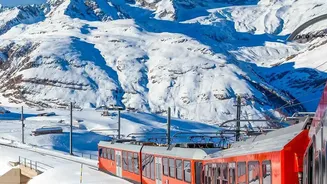
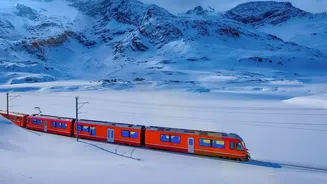
distance. The journey itself is the destination, offering panoramic views of landscapes transforming from green plains to frosty peaks. These heritage railways, some of which are UNESCO World Heritage Sites, move at a leisurely pace, allowing you to soak in the views of deep valleys, charming villages, and dense forests that are often inaccessible by road. It’s a chance to unplug and watch the world glide by, with the crisp winter air and the rhythmic sound of the tracks as your companions. The experience is about slowing down and witnessing the gradual ascent into a winter wonderland.
Iconic Snow Train Routes
India boasts several iconic train journeys perfect for a winter snow experience. The most famous is the Kalka-Shimla Railway, a UNESCO World Heritage site that climbs from Kalka to Shimla. This narrow-gauge 'toy train' navigates over 100 tunnels and 800 bridges, offering magical views, especially when snow blankets the tracks and surrounding pine forests. Another classic is the Darjeeling Himalayan Railway, which runs from New Jalpaiguri (NJP) to Darjeeling. While the full journey is long, many opt for the shorter 'joyride' from Darjeeling to Ghum, which includes the famous Batasia Loop and stunning, clear winter views of Kanchenjunga on a good day. For those dreaming of the famed snows of Kashmir, the key is to take a train to Jammu Tawi or, more recently, directly to Srinagar. The new train line through the Kashmir valley offers dramatic vistas of snow-covered fields and the mighty Pir Panjal range.
The Final Leg: Mountain Transfers Explained
Reaching the railway station is only part of the adventure; the final transfer to your mountain destination is a crucial step. This is what the headline refers to when it mentions needing 'mountain transfers'. For Shimla, after the toy train journey ends, the Shimla station is about 1.5 km from the main town, often requiring a short taxi ride. If you take a mainline train to Kalka, you will need to arrange a taxi or bus for the 2-3 hour road journey up to Shimla. From New Jalpaiguri station (NJP), Darjeeling is approximately 70 km away, a 3-4 hour drive by private taxi, shared cab, or bus. Shared jeeps are a common and economical choice, though they have limited space for luggage. For a trip to Gulmarg, the journey begins after you disembark at Jammu Tawi or Srinagar station. From Jammu Tawi, it's a long road journey of around 7-8 hours to Srinagar, from where Gulmarg is another 1.5-2 hour drive. With the new Vande Bharat service to Srinagar, you can take the train directly to the valley and then arrange a taxi for the final 50 km drive to Gulmarg. In heavy winter, the last section of road from Tangmarg to Gulmarg often requires vehicles fitted with snow chains.
Planning and Packing Essentials
Booking your winter train journey well in advance is critical, especially for popular services like the Himalayan 'toy trains', which fill up fast. Use the official IRCTC website for bookings. When planning your transfers, you can often pre-book a taxi through your hotel or a local travel agent, which is advisable during peak season to avoid negotiation and long waits. Packing for a trip that transitions from plains to snowy mountains is all about layers. When you board the train in Kalka or NJP, the weather might be mild, but as the train climbs, the temperature drops significantly. Essentials include thermal wear, a warm jacket, gloves, a cap, and comfortable, waterproof boots with good grip. Even on the train, especially in older carriages, it can get chilly, so keeping a jacket handy is a good idea. Don't forget sunscreen and sunglasses, as the sun reflecting off the snow can be intense.