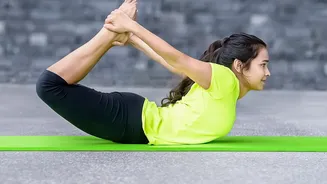

Why Yoga for Academic Stress?
Before diving into the poses, it's helpful to understand why yoga works. Academic pressure doesn't just affect the mind; it creates physical tension, especially in the neck, shoulders, and back from hours of studying. Yoga combines physical postures,
breathing techniques, and mindfulness to address both body and mind. Research shows that a regular yoga practice can help reduce stress and anxiety, improve concentration, and promote better sleep—all essential for a student's success and well-being. It's a tool that provides immediate relaxation and also builds long-term resilience, helping teens better manage life's ups and downs.
Cat-Cow Pose (Marjaryasana-Bitilasana)
This gentle, flowing movement is perfect for waking up the spine and releasing tension in the back and shoulders after long hours spent hunched over a desk. It's a simple way to connect movement with breath, which helps calm the nervous system. How to do it: Start on your hands and knees in a 'tabletop' position, with wrists under shoulders and knees under hips. As you inhale, drop your belly towards the floor, lift your chest and chin, and look up (Cow Pose). As you exhale, round your spine toward the ceiling, tucking your chin to your chest and pressing the floor away (Cat Pose). Continue flowing between cat and cow for 5 to 10 breaths, letting your breath guide the movement.
Child's Pose (Balasana)
Child's Pose is a deeply relaxing resting posture that helps quiet the mind and relieve stress and fatigue. It gently stretches the hips, thighs, and lower back. When feeling overwhelmed by deadlines or exam stress, a few moments in this pose can be incredibly restorative. How to do it: Kneel on the floor, sit back on your heels, and then fold forward, resting your torso on your thighs. Your forehead can rest on the floor. Allow your arms to relax alongside your body with palms facing up, or you can stretch them out in front of you. Focus on taking slow, deep breaths into your back, holding the pose for as long as feels comfortable.
Standing Forward Fold (Uttanasana)
This pose is excellent for calming the brain and helping to relieve stress and mild anxiety. It also provides a great stretch for the hamstrings and calves, which can get tight from sitting. Bending forward brings gentle circulation to the head, which can help ease tension headaches. How to do it: Stand with your feet hip-width apart. As you exhale, hinge at your hips to fold forward. It's important to keep a slight bend in your knees to protect your lower back. Let your head and neck hang heavy. You can let your arms dangle or gently hold opposite elbows. Stay here for 30 seconds to a minute, breathing steadily.
Legs-Up-the-Wall Pose (Viparita Karani)
This is a passive, restorative pose that is fantastic for calming the nervous system and relieving tired legs and feet. It's an effortless way to de-stress before bed or after a long day of school and extracurricular activities. It encourages relaxation and can even help promote better sleep. How to do it: Find a clear space of wall. Sit on the floor with one side of your body against the wall. Gently swing your legs up the wall as you lie back on the floor. Your sitting bones should be as close to the wall as is comfortable. Rest your arms out to the sides with palms facing up. Close your eyes and breathe deeply for 5 to 15 minutes.
Bridge Pose (Setu Bandhasana)
Bridge Pose is a gentle backbend that helps open up the chest and shoulders, counteracting the slouched posture that often comes with studying. It can help reduce anxiety, fatigue, and insomnia, making it a powerful tool for managing the side effects of intense academic periods. How to do it: Lie on your back with your knees bent and feet flat on the floor, hip-width apart. Your arms should be alongside your body with palms facing down. On an inhale, press through your feet and lift your hips off the floor. Keep your thighs parallel. Hold for a few breaths before slowly lowering back down.