


The End of the Showroom Era
There was a certain comfort in the matching furniture set. The three-seater sofa, the two single-seaters, and the coordinating coffee and side tables created an instant sense of order and completeness. It was a sign of a well-put-together home, where
everything belonged. This uniform approach took the guesswork out of decorating, promising a harmonious look straight from the showroom floor. For many, it represented aspiration and stability. However, this era of rigid coordination is fading. Designers and homeowners are realising that while these sets are neat, they can also feel impersonal and monotonous, leaving little room for individual expression. The modern Indian home is no longer a static display but a living, evolving space that tells a personal story.
Why We’re Mixing, Not Matching
Several factors are driving this shift. Urban Indian homes are, on average, getting smaller, making bulky, matching sets impractical. The rise of open-plan and multi-functional spaces, which might serve as a living room, home office, and play area all in one day, demands more adaptable furniture. Pieces like modular sofas that can be reconfigured, nesting tables that save space, and lightweight accent chairs are becoming essentials. Furthermore, global trends and social media have exposed us to a world of design possibilities, from Scandinavian simplicity to Japanese-inspired wabi-sabi, encouraging a more curated and eclectic style. The strongest driver, however, is a desire for personality. Homeowners increasingly want their spaces to reflect their unique lives, travels, and memories—things that rarely come in a matching set.
The Art of the Perfect Mismatch
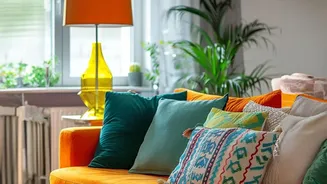
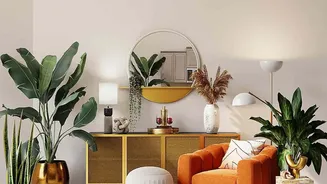
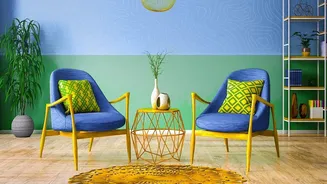
Embracing an eclectic style doesn't mean creating chaos. The goal is to make a room look curated, not cluttered. The secret to a successful mix-and-match approach lies in finding a common thread to tie disparate pieces together. One effective strategy is to stick to a consistent colour palette. For example, a modern sofa in a neutral beige can be paired with a traditional armchair if they share complementary tones or are brought together by cushions and throws in similar shades. Another method is to repeat materials or finishes. A sleek metal floor lamp can coexist beautifully with a rustic wooden cabinet if the wood tone is echoed in the legs of a nearby chair or the frame of a mirror. The idea isn't for every piece to be the same, but for them to feel like they are in conversation with one another.
Building a Flexible Furniture Wardrobe
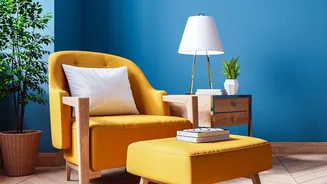
Instead of buying a 'full set', think of building a 'furniture wardrobe' of versatile pieces. Start with a hero piece, like a comfortable, well-made sofa in a timeless design. Then, layer in other elements. An accent chair in a bold colour or interesting print can add instant personality. Instead of a single, heavy coffee table, consider a cluster of nesting tables or a pair of stylish ottomans that can be moved around as needed. Integrating a piece of heritage furniture—like a grandparent's carved chest or a handcrafted bench—can add depth and a sense of history that mass-produced sets lack. The focus is shifting towards investing in fewer, higher-quality pieces that you truly love and that can adapt to your changing needs.