


A Dish of Many Names and One Heart
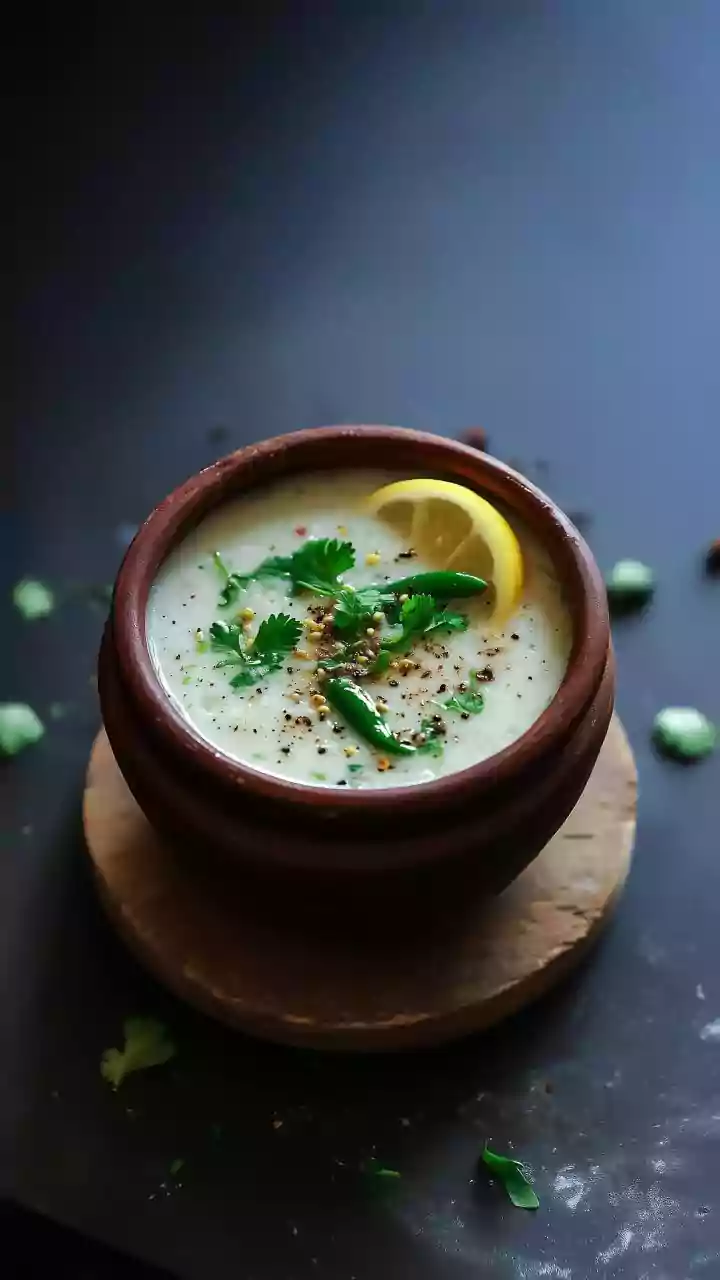
Known as 'thayir sadam' in Tamil Nadu, 'mosaranna' in Karnataka, and 'daddojanam' in Andhra Pradesh and Telangana, curd rice is a unifier. While the names change from one state to another, the core concept remains beautifully consistent: soft-cooked rice gently
folded into creamy, wholesome curd. Its origins are deeply rooted in the agricultural and dairy traditions of South India, where rice is the centre of every meal and curd is a practical way to preserve milk in a warm climate. This humble combination has become a cultural touchstone, served everywhere from bustling family dinner tables to serene temples as 'prasadam' (a blessed offering). It’s the meal of choice for a quick lunch, a light dinner, and the final, calming course in a traditional South Indian feast to soothe the palate after spicy dishes.
The Science of Soothing
The enduring popularity of curd rice isn't just about taste; it's also packed with wellness benefits that have been understood for generations. Curd is a natural source of probiotics, the beneficial bacteria that support a healthy gut. These probiotics can aid digestion, reduce bloating, and help the body absorb nutrients more effectively. The combination of curd with cooled, cooked rice—which contains some resistant starch—makes it a gentle and easily digestible meal, often recommended for an upset stomach. Furthermore, curd rice has a well-known cooling effect on the body, making it a go-to dish during India’s sweltering summers to maintain balance and hydration. A single serving offers a good dose of protein, calcium, and B vitamins, making it a deceptively nutritious dish.
The Art of the Perfect Curd Rice
Making exceptional curd rice is an art of simplicity and technique. The secret begins with the rice. It should be cooked until very soft, often with a little extra water, and then mashed slightly while still warm to achieve a creamy, porridge-like consistency. It's crucial to let the rice cool down completely before mixing in the curd; adding curd to hot rice can cause it to split and turn sour. Use fresh, thick curd for the best flavour and texture. A splash of milk is a popular addition, as it helps maintain a creamy consistency and prevents the dish from becoming too sour if it sits for a while, making it perfect for lunchboxes.
The Magic of Tempering
While a simple mix of rice and curd is comforting in its own right, the true magic often lies in the 'tadka', or tempering. A small pan of hot oil or ghee is used to sizzle a symphony of spices that are then poured over the rice. Classic tempering ingredients include mustard seeds that pop with nutty flavour, urad dal for a crunchy bite, finely chopped ginger and green chillies for a hint of fresh heat, and aromatic curry leaves. A pinch of asafoetida (hing) adds a unique savoury depth. This fragrant, sizzling mixture elevates the humble curd rice from a simple meal to a flavourful experience, adding layers of texture and aroma without overwhelming the dish's soothing nature.
Endless Variations for Every Palate
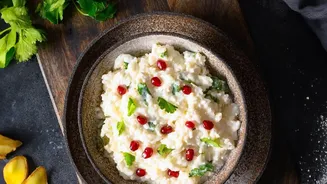
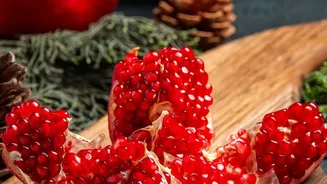
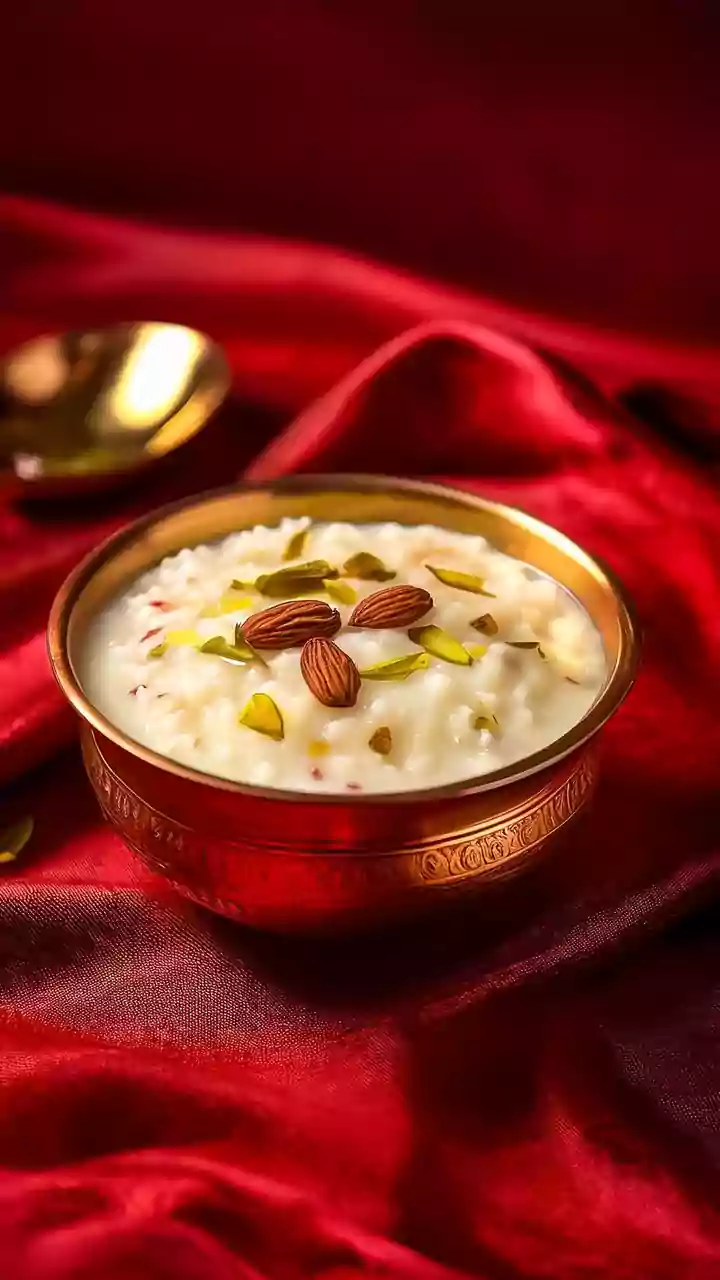
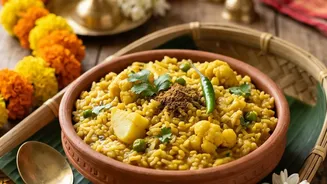
Beyond the classic preparation, curd rice is a versatile canvas for customisation. Many households have their own signature additions. For a touch of sweetness and colour, a handful of pomegranate arils or grated carrots can be stirred in. Fried cashews add a rich crunch, while raisins offer little bursts of sweetness. In some versions, finely diced raw mango or cucumber provides a refreshing, tangy crunch. Modern interpretations have even experimented with different grains, like vermicelli or sago, instead of rice. Ultimately, it’s a dish that invites personalisation, best enjoyed chilled or at room temperature, and almost always served with a side of your favourite pickle or a crispy papad.