
A Jewel Known as Umngot
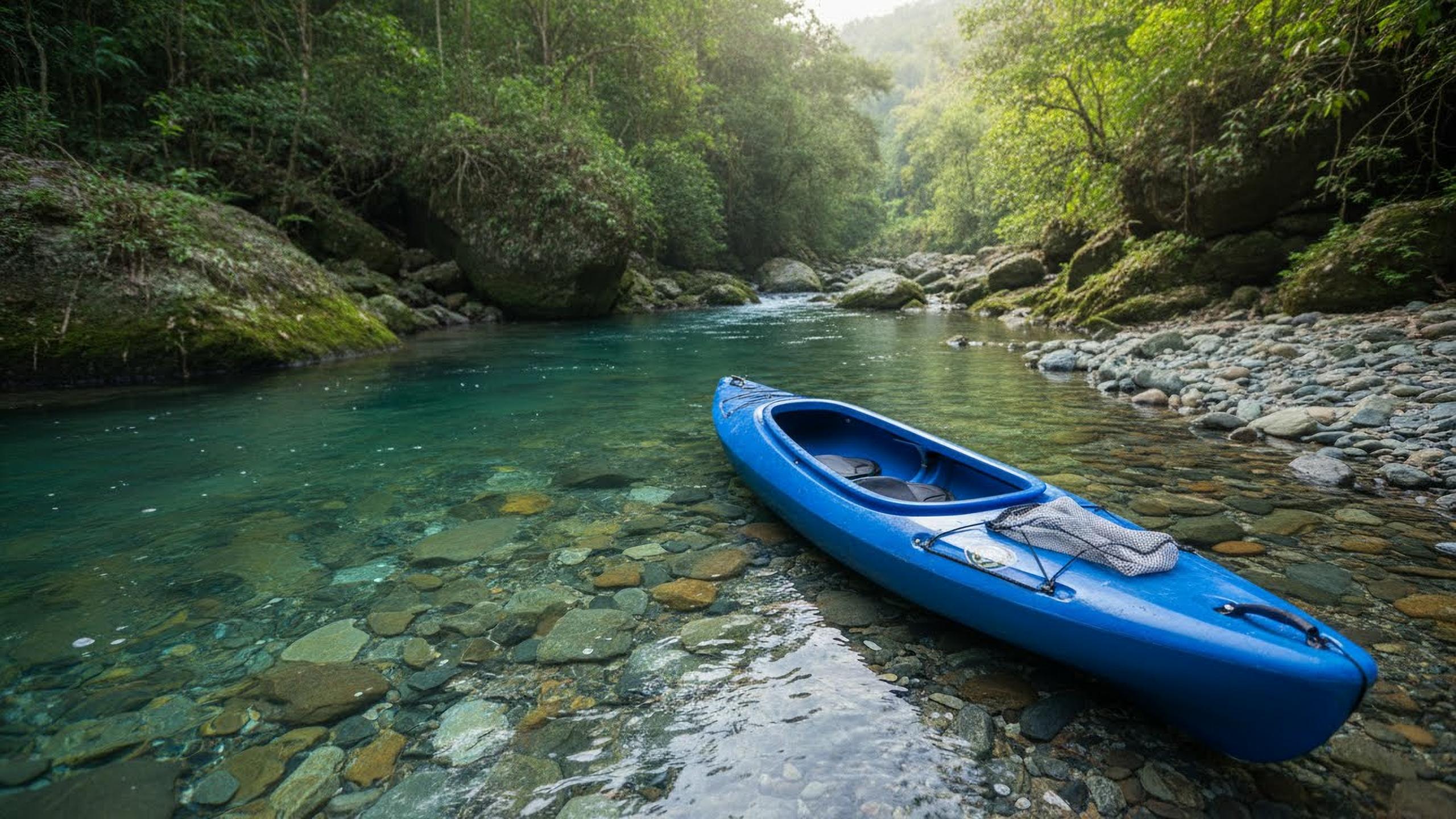
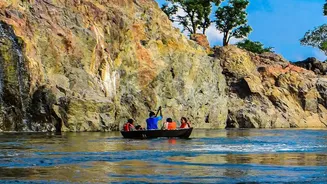
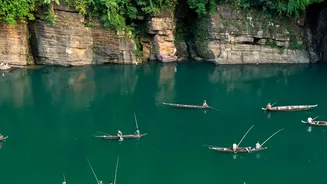
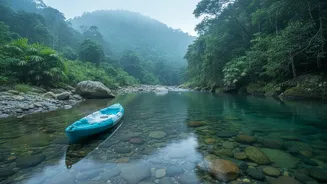
Meghalaya's Umngot River, particularly around the villages of Dawki and Shnongpdeng, is a global icon of natural purity. For years, travellers have flocked to this corner of the West Jaintia Hills to witness its impossibly transparent waters. The riverbed
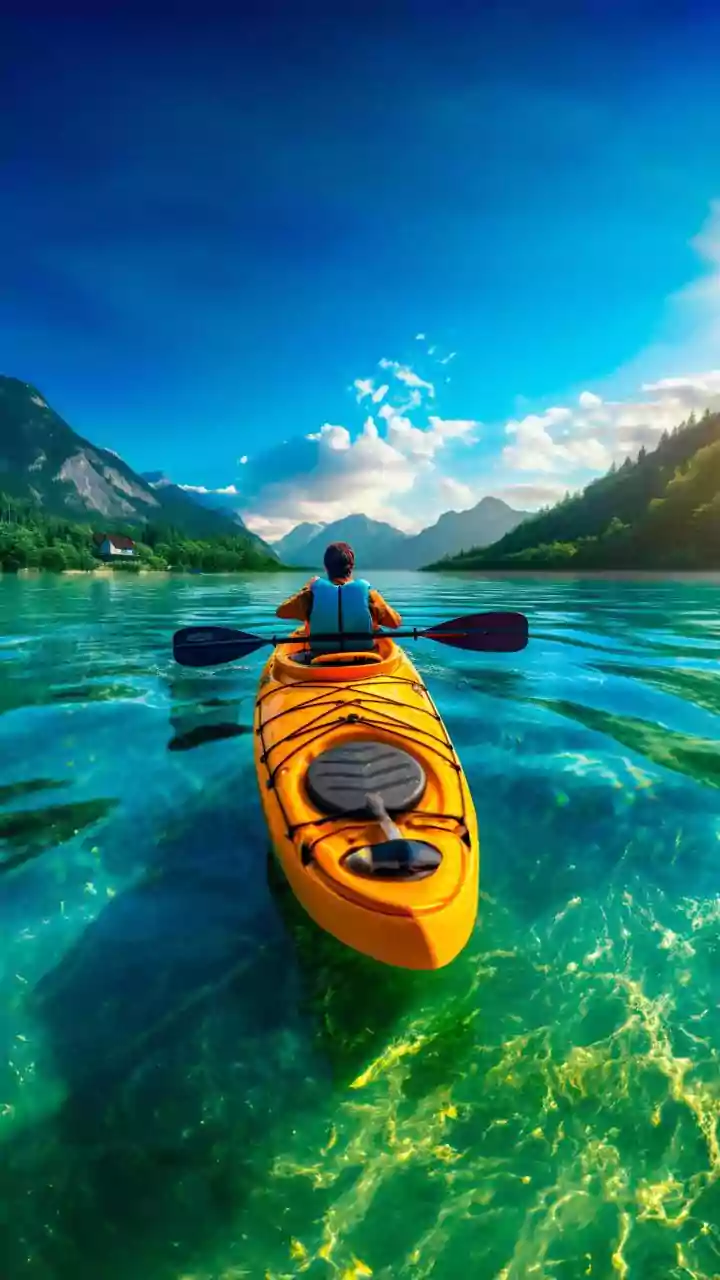
is clearly visible from the surface, creating a surreal illusion that the traditional canoes are hovering in space. This stunning clarity has made it one of the most photographed and revered rivers in Asia. The tourism it fuels is the lifeblood for hundreds of local families, supporting everything from boatmen and homestay owners to food stalls and adventure sports guides. The entire tourist experience in villages like Shnongpdeng is managed by the local community, creating a model of self-sustained tourism.
The Growing Threat of Pollution
But this paradise has come under increasing threat. The very popularity that brought prosperity also brought pollution. A surge in tourism has led to a rise in plastic waste, with bottles and food wrappers often marring the pristine landscape. More recently, locals and environmentalists raised alarms when the river's water turned murky. Investigations by the Meghalaya State Pollution Control Board pointed to upstream road construction projects, where improper disposal of soil and debris washed into tributaries feeding the Umngot. This discolouration dealt a severe blow to the local economy, with some reports claiming tourism dropped by as much as 80 percent as disappointed visitors cancelled their bookings. It was a stark reminder of how fragile the river's ecosystem and the economy built around it truly are.
Paddling with a Purpose
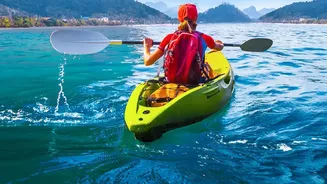
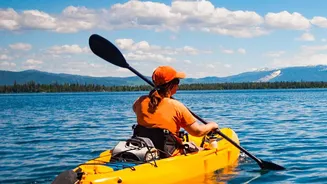
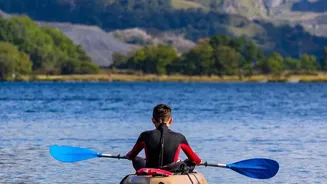
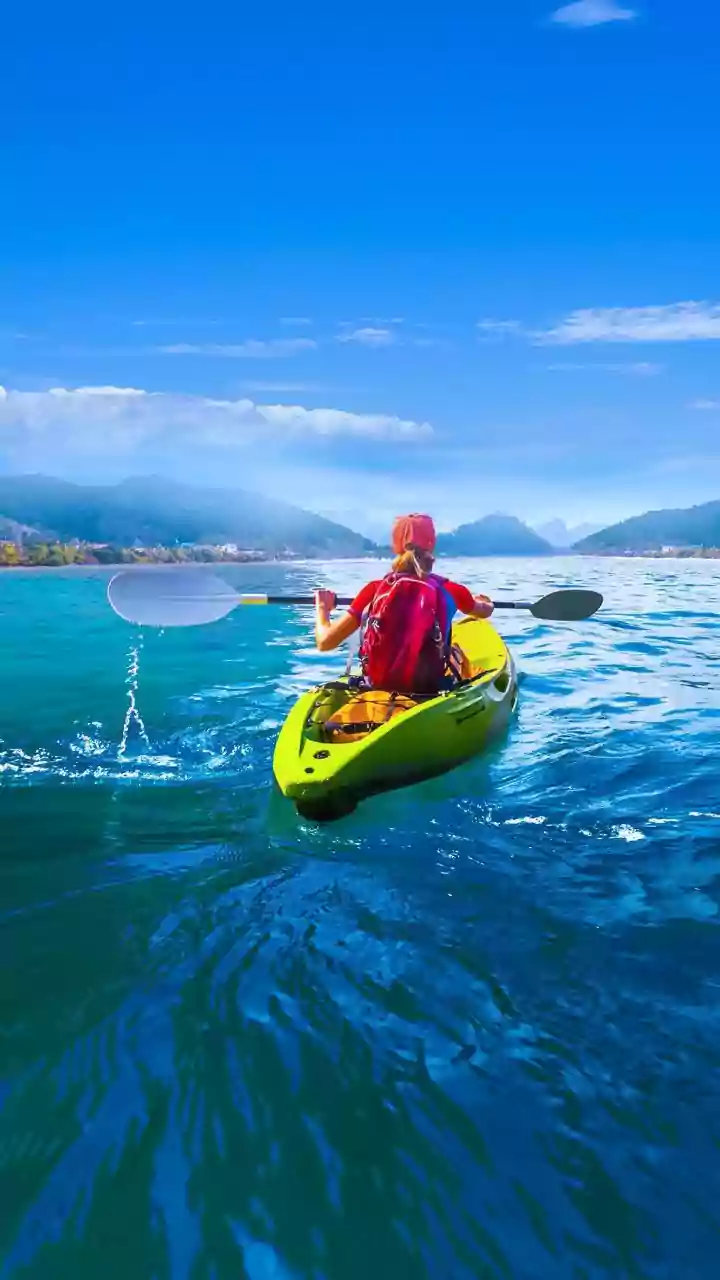
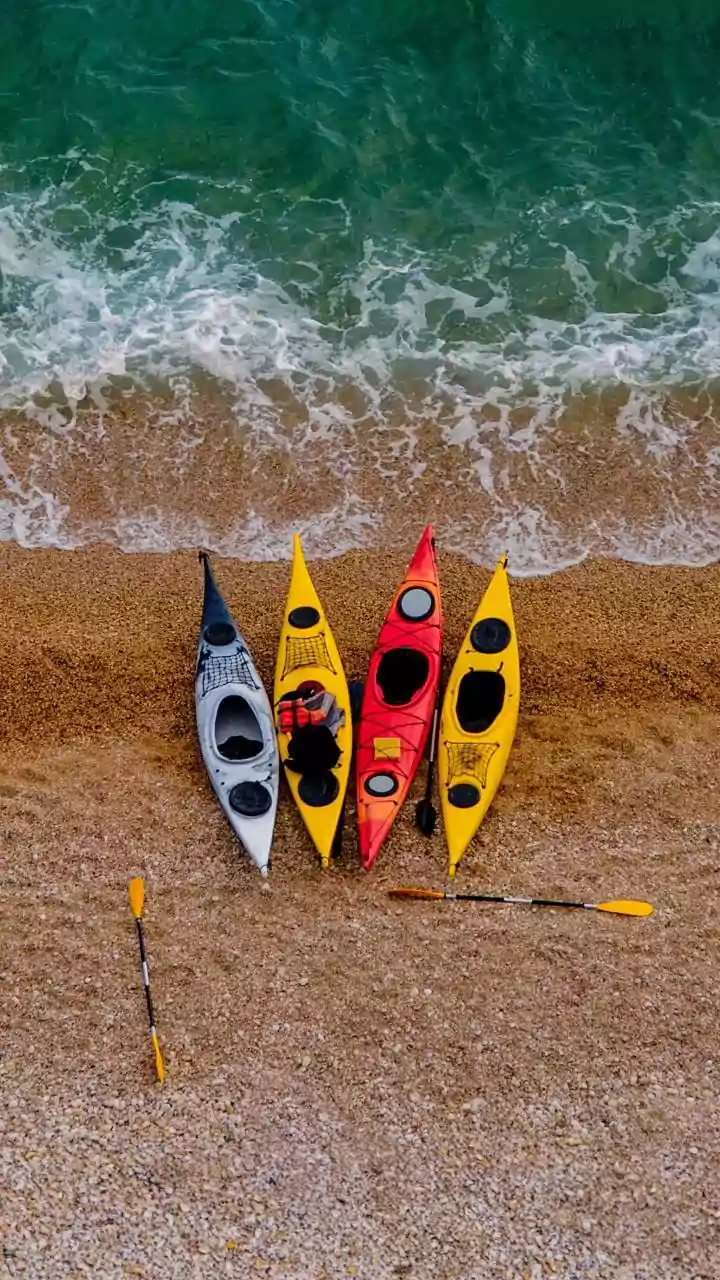
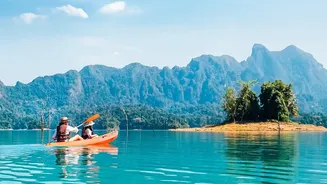
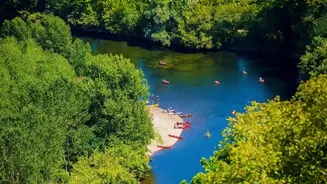
In response to these challenges, a new wave of responsible tourism is emerging. Local operators, such as Pioneer Adventure Tours, have launched innovative river-cleaning kayaking expeditions. These are not your typical sightseeing trips. Instead, they combine the thrill of adventure with a tangible conservation mission. Travellers who sign up are equipped with kayaks, paddles, and gear to collect floating debris as they navigate the river. It’s an active, engaging way for tourists to leave the place better than they found it. The initiative directly addresses the problem of surface-level waste, which is often the most visible sign of pollution to visitors. This hands-on approach transforms a passive holiday into an active contribution, allowing travellers to become stewards of the very environment they came to admire.
More Than Just a Tourist Trip
Participating in a river-cleaning trip offers a far deeper connection to the region. It's an opportunity to paddle through the serene beauty of the Umngot while actively helping to preserve it. The experience goes beyond simple adventure; it's about mindful travel. Guides, often from the local Khasi community, share insights into the river's cultural significance and the ecological challenges it faces. For many participants, the feeling of pulling plastic bottles from the water and leaving a clean wake behind their kayak brings a powerful sense of accomplishment. It reframes the travel experience from one of pure consumption to one of meaningful participation. These trips often include camping on the riverside, bonfires, and meals featuring local cuisine, offering a holistic immersion into the life and culture of Shnongpdeng.
The Ripple Effect of a Clean River
This initiative represents a powerful shift in the mindset of both tourists and operators. It proves that tourism doesn't have to be a destructive force; it can be a solution. By integrating conservation directly into the travel itinerary, these operators are fostering a new generation of eco-conscious visitors. The model empowers the local community, giving them a central role in protecting their primary natural asset while creating a unique selling proposition that attracts responsible travellers. The hope is that this concept will create a ripple effect, inspiring similar initiatives in other ecologically sensitive tourist destinations across India. It sends a clear message that the future of travel lies in protecting the pristine destinations we love, ensuring that the Umngot's waters remain crystal-clear for generations to come.