


A Zero-Waste Kitchen Hero
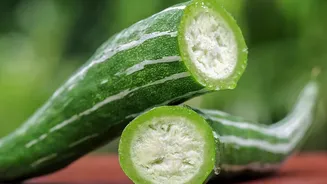
In many Indian households, the peel of the lauki, or bottle gourd, is often discarded without a second thought. However, these peels are not only edible but also packed with nutrients. They are a good source of dietary fibre, which aids digestion, and
contain essential vitamins and minerals, including vitamin C and potassium. Using the peels to make kebabs is a fantastic way to practice sustainable, zero-waste cooking, turning what is typically considered waste into a flavourful and wholesome snack.
Preparing the Peels
Before you can turn them into kebabs, the peels need a little preparation. Start with a fresh, young bottle gourd, as the peel will be tender. Wash the gourd thoroughly. When peeling, use a knife instead of a peeler to ensure you get a little bit of the flesh along with the skin. This adds more body and a better texture to your kebab mixture. Once peeled, finely chop the peels or run them through a food processor for a coarser texture. Some recipes suggest briefly boiling or steaming the peels for a few minutes to soften them, which can make them easier to bind.
The Most Important Step: Removing Moisture
Bottle gourd has a very high water content, often around 96%. This is the primary challenge when making kebabs from its peels. If the mixture is too wet, the kebabs will be soggy, fall apart during cooking, and won't develop that desirable crispy exterior. Properly removing this excess moisture is non-negotiable for achieving the right consistency. A dry mixture ensures the kebabs hold their shape and fry or grill perfectly, resulting in a firm, succulent bite.
Technique 1: Salting and Squeezing
The most effective method for drawing out water is using salt. Place the chopped or grated peels in a bowl and sprinkle them generously with salt. Let them sit for about 15 to 20 minutes. The salt will draw the water out of the vegetable cells through osmosis. You will see a significant amount of liquid pooling at the bottom of the bowl. Afterwards, take handfuls of the salted peels and squeeze them firmly between your palms to wring out as much water as possible. This single step can remove the majority of the excess moisture.
Technique 2: Using Binding Agents
Even after squeezing, the peels might retain some residual moisture. This is where binding agents come in. Ingredients like besan (gram flour), roasted chana dal powder, breadcrumbs, or oats are excellent for this purpose. They not only absorb any leftover water but also help bind the mixture together, ensuring your kebabs don't disintegrate. Add the binding agent gradually, mixing it in until the mixture is firm enough to be shaped into patties without feeling sticky or wet. Let the mixture rest for about 10-15 minutes to allow the binder to fully absorb the moisture.
Building the Kebab Mixture
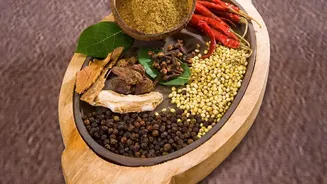
Once the peels are prepped and dried, it's time to build the flavour. Combine the peels with your chosen binding agent. Add aromatics like finely chopped onions, ginger-garlic paste, and green chillies. For spices, a classic combination includes turmeric powder, red chilli powder, coriander powder, and garam masala. Freshly chopped coriander leaves add a burst of freshness. Mix everything thoroughly to create a cohesive dough. Taste and adjust the seasoning before you start shaping the kebabs.
Shaping and Cooking to Perfection
Take small portions of the mixture and shape them into flat, round patties or oval kebabs. If the mixture sticks to your hands, lightly grease your palms with a little oil. There are several ways to cook these kebabs. For a healthier option, you can pan-grill them on a tawa with very little oil until they are golden brown and crisp on both sides. They can also be shallow-fried for a richer taste or even cooked in an air fryer. Serve them hot with mint chutney or a yogurt dip for a delightful appetiser or evening snack.