







The Problem with the Packed Itinerary
You’ve spent weeks, maybe months, planning the perfect getaway. You’ve scour ed blogs, highlighted guidebooks, and created a minute-by-minute schedule designed to maximise every moment. The result is a checklist of 'must-see' sights and 'must-do' experiences.
While planning can be a source of happy anticipation, an overly ambitious itinerary can backfire. The pressure to stick to a rigid schedule can transform a relaxing escape into a stressful dash from one tourist spot to the next. This approach often leads to travel burnout, a state of exhaustion that leaves you feeling drained instead of rejuvenated. A recent survey revealed that half of U.S. employees feel this post-vacation drain for at least a week. When you’re just ticking boxes, you’re not truly experiencing the places you’re in; you're just collecting them.
Embracing the 'Slow Travel' Philosophy
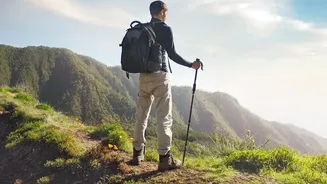
The antidote to travel burnout is 'slow travel'. This philosophy isn’t about travelling for longer periods; it's about changing your mindset. It champions depth over breadth, encouraging you to connect with a destination on a more meaningful level. Instead of racing through five cities in a week, you might spend that week exploring one or two, allowing for spontaneity and unplanned discoveries. By giving yourself permission to do less, you actually experience more. This could mean spending an entire afternoon in a local cafe, wandering through a neighbourhood without a map, or simply sitting in a park and observing daily life. These unhurried moments are often where the most cherished memories are made.
The Joy of Missing Out
We're all familiar with FOMO (Fear of Missing Out), which often drives us to overschedule our lives, including our holidays. The slow travel mindset introduces a powerful alternative: JOMO, or the Joy of Missing Out. Embracing JOMO on vacation means consciously choosing to skip some of the 'big ticket' sights in favour of experiences that are more personally resonant. It's about trading the long queue at a crowded museum for a leisurely stroll through a local market, or forgoing a famous viewpoint to discover a hidden alleyway. This shift allows you to immerse yourself in the local culture and rhythm, fostering a deeper connection to the place you're visiting. It’s a liberating move away from a trip defined by external validation towards one that is authentically your own.
How to Curate Your Personal Holiday
Creating a shorter, more personal sightseeing list is a practical skill. Start by defining what a great vacation means to you. Is it relaxation, adventure, cultural immersion, or something else? Once you have your core goals, you can build a flexible plan. Instead of a long list, pick one or two 'anchor' activities for each day and leave the rest of the time open. Research potential experiences but don't lock them into a rigid timeline. Use tools like Google Maps to save interesting spots—cafes, shops, parks—so you have a bank of ideas to draw from spontaneously. The key is to create a framework, not a straitjacket. This leaves room for the unexpected magic of travel, whether it's an impromptu conversation with a local or stumbling upon a charming street you never would have found in a guidebook.