






The Expanding World of Plant Protein
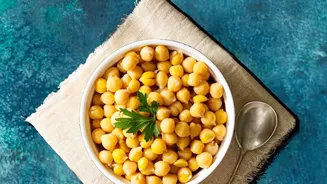
India's relationship with vegetarianism is ancient and deeply rooted, with lentils (dal), chickpeas (chana), and kidney beans (rajma) forming the backbone of daily meals. For decades, these, along with dairy-based paneer and the occasional appearance
of soya, were the undisputed champions of plant-based protein. Today, however, the landscape is changing dramatically. A rapidly growing market for alternative proteins is introducing Indian kitchens to a host of new and exciting ingredients. Market forecasts show significant growth, with some analysts projecting the Indian plant-based protein market to reach over USD 2.2 billion by 2034, growing at a compound annual growth rate (CAGR) of over 14%. This isn't just about replacing the old; it's about adding variety, functionality, and new flavours to the modern Indian diet.
Meet the New Contenders on the Plate
The new stars of the plant protein world offer diverse textures and nutritional profiles. Pea protein has emerged as a frontrunner, valued for being allergen-free and having a high protein content; it's now a key ingredient in everything from protein powders to meat substitutes. Raw jackfruit, traditionally used in savoury dishes, is now being hailed as a convincing meat alternative in 'ready-to-cook' formats. Hemp seeds, once a niche health food, are gaining recognition for their complete amino acid profile and omega fatty acids. Beyond these, startups are innovating with plant-based versions of eggs made from legumes and exploring protein extraction from different kinds of lentils and beans. These innovations are moving beyond simple protein supplements and into the realm of everyday cooking, offering plant-based biryanis, kebabs, and even seafood alternatives.
What’s Fuelling This Dietary Shift?
Several factors are driving this diversification. A primary motivator is growing health consciousness, particularly among urban millennials and Gen Z. Consumers are increasingly aware of the need for high-quality protein and are seeking nutritious, 'clean-label' products. This trend is amplified by a rising awareness of sustainability and the environmental impact of animal agriculture. Ethical considerations regarding animal welfare also play a significant role for many. Furthermore, global food trends, shared widely through social media, have exposed Indian consumers to international dietary patterns, sparking curiosity and a desire to experiment. This shift is not necessarily about strict veganism but reflects a broader move towards 'flexitarian' diets, where consumers actively choose to reduce meat and dairy consumption.
Startups and Brands Seeding the Revolution
A vibrant ecosystem of food-tech startups is at the forefront of this movement. Companies like GoodDot, Shaka Harry, and Evo Foods are becoming household names, offering everything from plant-based meats to liquid egg alternatives. These companies are not just importing Western ideas; they are tailoring products to the Indian palate, creating plant-based versions of butter chicken and seekh kebabs that resonate with local tastes. Their success has not gone unnoticed, attracting significant venture capital and prompting larger, established FMCG companies to enter the market with their own plant-based lines. This competition is helping to drive innovation and, crucially, making these products more accessible through supermarkets and online platforms.
Challenges and the Road Ahead
Despite the enthusiasm, the path to mainstream adoption has its hurdles. Affordability remains a significant barrier for many consumers, as these novel products often come at a premium compared to traditional proteins. Taste and texture are also critical; while products have improved, some still fall short of replicating the experience of their animal-based counterparts. Consumer education is another challenge, as many people are still unfamiliar with how to cook with these new ingredients. However, the industry is actively working to address these issues. As production scales up, costs are expected to decrease. Continuous research and development are improving the sensory aspects of products, and brands are investing in marketing and recipes to guide consumers. The outlook remains overwhelmingly positive, signalling a permanent evolution in India's protein consumption habits.