
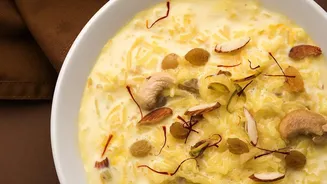
Beyond the grand stage of politics lies a world of personal rituals that define us. For the Gandhi family, the aroma of Kashmiri sweet rice during festivals is more than a meal; it's a thread of memory, connecting generations to their roots.
A Taste of Diwali, Past and Present
In a recent
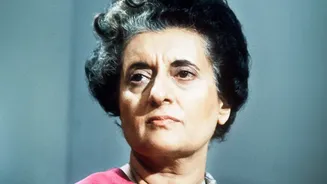
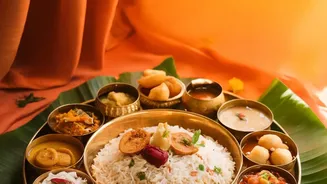
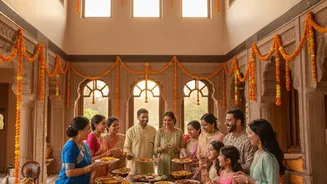
conversation with her daughter Priyanka Gandhi Vadra, Sonia Gandhi took a nostalgic trip back to Diwali celebrations at the former residence of her mother-in-law, Indira Gandhi. She recalled how the home would be beautifully illuminated not by electric lights, but by countless traditional diyas placed around the garden, pond, and verandas. Amid these memories of light and family gatherings, she shared a culinary tradition that has stood the test of time. "On festivals, we always used to have Kashmiri food and that sweet rice... which we still make, by the way," Sonia remarked. This simple statement offers a rare and intimate glimpse into how food serves as a constant anchor to heritage within one of India's most prominent families.
The Nehru-Gandhi Family's Kashmiri Roots
The family's attachment to Kashmiri cuisine is deeply rooted in their ancestry. The Nehrus are Kashmiri Pandits, and this heritage was diligently preserved by Indira Gandhi, despite being born and raised in Allahabad. Sonia Gandhi has noted that many of the family's everyday Indian meals were prepared in the Kashmiri Pandit style. This connection wasn't just limited to food. Indira Gandhi treasured Kashmiri shawls and carpets, and even the family's celebration of Nauroz, the Kashmiri New Year, was a significant occasion marked by specific rituals and traditional meals. Therefore, the presence of Kashmiri sweet rice on the festival table is not a random choice but a deliberate act of cultural preservation, a nod to the family's lineage that traces back to Raj Kaul, a Kashmiri Pandit from the early 1700s.
More Than Just Sweet Rice
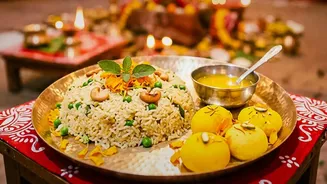
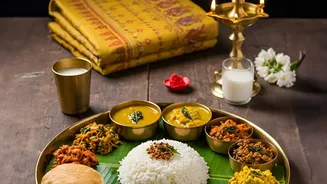
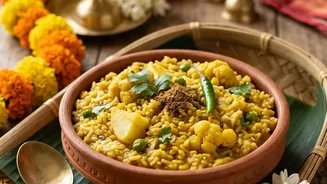
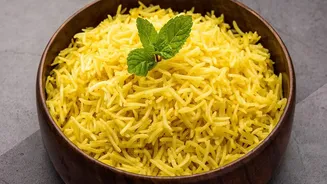
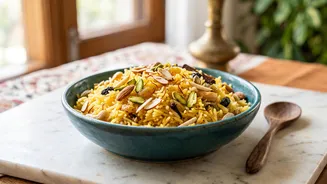
While Sonia Gandhi didn't specify the exact name of the dish, the description points towards beloved preparations like Modur Pulav or Tahar. Modur Pulav is a fragrant, sweet rice dish from Kashmir, often enriched with saffron, ghee, cinnamon, and a generous mix of dry fruits like almonds and cashews. Tahar, or Tehri, is another significant Kashmiri rice dish, characteristically yellow from turmeric. It is prepared by both Pandits and Muslims in the valley, often as an offering of gratitude or to mark auspicious occasions like birthdays. For Kashmiri Pandits, Tahar is a staple festive dish, offered as 'prasad' and shared with the community. Its preparation without onions in the Pandit tradition distinguishes it, and its role as a comfort food and a celebratory meal makes it a powerful symbol of home.
Food as a Bridge to Memory
In India, food and festivals are inextricably linked. Every region, and indeed every family, has dishes that are synonymous with celebration. These recipes are carriers of stories, passed down through generations, each ingredient a word and each dish a chapter. The act of preparing and sharing a specific meal becomes a ritual that reinforces family bonds and collective identity. Sonia Gandhi's reflection on sweet rice underscores this universal truth. For her, adapting to Indian life was a journey of discovering the culture one meal at a time. That a dish from her mother-in-law's ancestral home continues to be made decades later highlights how flavours can preserve a family's cultural identity against the backdrop of changing times and public lives. It transforms a simple plate of rice into a profound symbol of belonging.