


From Health Fad to Kitchen Staple
Quinoa, a seed prepared and eaten like a grain, has earned its 'superfood' status. It's a complete protein, meaning it has all nine essential amino acids, and it's packed with fibre, iron, magnesium, and a host of other vitamins and minerals. Compared
to white rice, it offers more protein and fibre, which helps keep you feeling full longer and supports stable blood sugar levels. But beyond the impressive nutritional profile, quinoa is remarkably versatile. Its mild, slightly nutty flavour and unique texture can be a game-changer in dishes we already know and love. The key is to move past the idea of it being just a salad ingredient and start seeing it as a canvas for familiar Indian flavours.
Mastering the Perfect Quinoa Texture
The secret to delicious quinoa lies in the preparation. Many people are put off by a bitter taste or mushy texture, but these are easily avoided. First, always rinse your quinoa thoroughly under running water in a fine-mesh sieve. This removes the natural coating called saponin, which is responsible for any bitterness. For the perfect fluffy texture, the water-to-quinoa ratio is crucial. A common recommendation is using 1.75 to 2 cups of liquid for every 1 cup of dry quinoa. Bring it to a boil, then reduce the heat to a simmer, cover, and cook for about 15 minutes until the water is absorbed. The final, non-negotiable step is to let it rest, covered and off the heat, for at least 5-10 minutes. This allows the grains to steam and firm up, preventing a clumpy mess. Fluff with a fork, and it’s ready to use.
The Ultimate Comfort Dish: Quinoa Khichdi
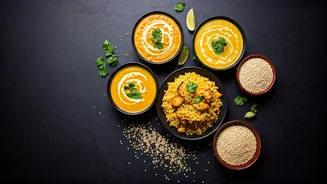
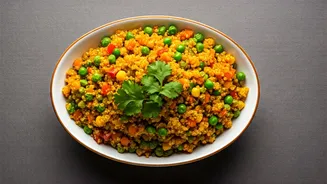
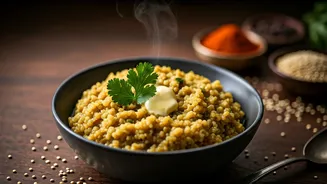
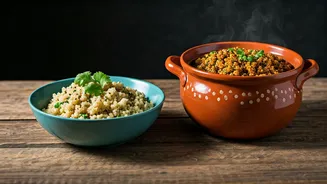
Khichdi is the undisputed king of Indian comfort food, and it’s the perfect starting point for your quinoa journey. Swapping out rice for quinoa is a simple way to boost the protein and fibre content of the dish. The method is nearly identical to traditional khichdi. You can cook quinoa and moong dal together, either in a pressure cooker or on the stovetop. Start by tempering spices like cumin seeds, turmeric, and asafoetida (hing) in ghee or oil. Sauté onions, ginger, and your favourite vegetables like peas, carrots, and beans before adding the rinsed quinoa and dal mixture with water. Because quinoa cooks relatively quickly, a one-pot quinoa khichdi can be ready in about 30 minutes, making it a perfect weeknight meal.
Beyond Khichdi: Upma, Pulao, and More
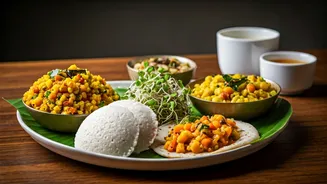
Once you’ve tried khichdi, you’ll see the possibilities are endless. Quinoa upma is another fantastic option for a hearty breakfast or light meal. Simply substitute quinoa for rava (semolina) and follow your favourite upma recipe, roasting the quinoa for a minute before adding water and vegetables. The result is a fluffy, savoury dish that’s both gluten-free and incredibly satisfying. Similarly, a vibrant vegetable pulao can be made with quinoa instead of rice for a quicker, nutrient-dense meal. Since quinoa cooks faster than rice, it’s a great choice when you’re short on time. You can even make curd quinoa (dahi quinoa) as a cooling alternative to curd rice.
A Binder and a Base for Snacks
Cooked quinoa isn't just for main courses. Its slightly sticky texture when cooled makes it an excellent binder for patties, cutlets, and koftas. You can combine cooked quinoa with mashed potatoes, vegetables, and spices to form patties that hold together beautifully when pan-fried. This adds a protein punch and a pleasing texture to your favourite evening snacks. It can also be mixed into ground meat for koftas, helping to keep them tender and adding nutritional value without overpowering the flavour of the spices and meat. This versatility extends to both vegetarian and non-vegetarian appetisers, proving that quinoa has a place in every part of the meal.