






The Growing Fitness Divide
In India's bustling cities, the wellness boom is visible everywhere. International gym chains and homegrown fitness startups are expanding rapidly, not just in metros like Mumbai and Delhi, but also in Tier II and III cities. However, this growth highlights
a stark divide. Access to formal fitness—be it a gym, a yoga studio, or a personal trainer—is often dependent on disposable income. For a vast majority of the population, these options remain out of reach, creating a gap where health and activity levels are closely tied to economic status. While some cities like Bengaluru are hailed as fitness-conscious hubs, the on-ground reality for many is a lack of safe, accessible, and affordable spaces for exercise. This transforms fitness from a health essential into a luxury item.
A Shift in Thinking: Preventive Fitness Policy
Enter the concept of 'preventive fitness policy' or 'active design'. This isn't a single law but a fundamental shift in urban planning philosophy. Instead of leaving fitness to individual motivation and means, it asks: how can we design our cities to naturally encourage movement for everyone? The core idea is to engineer physical activity back into our daily lives. This approach is crucial for tackling non-communicable diseases (NCDs) like heart disease and diabetes, which are linked to environmental factors like physical inactivity. By making healthy choices the easy choices, cities can serve as a powerful tool for preventive public health.
What Does an 'Active' City Look Like?
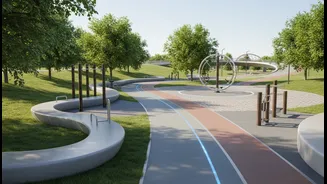
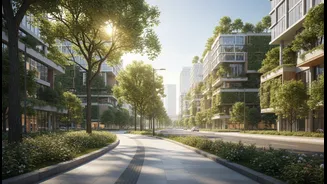
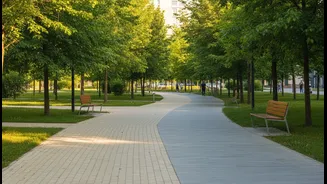
An active city is one where movement is integrated into the urban fabric. This starts with prioritizing people over cars. Think wide, continuous, and well-lit footpaths that make walking safe and enjoyable, even after dark. It includes a connected network of cycling lanes that allow people to commute to work or run errands on a bike. It also means investing in high-quality public green spaces. Parks, waterfronts, and even small 'pocket parks' provide crucial opportunities for recreation, social interaction, and stress reduction. Initiatives like the Fit India Movement have already started activating public spaces for runs and group activities, showing the potential of government-led efforts. Some cities have installed outdoor gyms in parks, a step in the right direction, though maintenance and proper guidance remain concerns.
Beyond Infrastructure: Building a Culture of Movement
Building infrastructure is only half the battle. A truly preventive fitness policy also fosters a supportive culture. This involves 'mixed-use' zoning, where shops, homes, and offices are located close together, encouraging people to walk for short trips instead of driving. It means ensuring public spaces are inclusive and safe for people of all ages and abilities. Community-led health programs and awareness campaigns can further empower residents to take advantage of their environment. The goal is to create a seamless ecosystem where walking to the bus stop, cycling to the market, or playing in a nearby park become default parts of daily life for everyone.
The Challenges on the Ground
The path to creating active cities in India is fraught with challenges. Rapid, often unplanned urbanization has left many cities with a severe infrastructure deficit, where even basic footpaths are a luxury. Retrofitting dense, existing urban areas with new parks and cycle lanes requires immense political will, funding, and careful planning. Issues like traffic congestion, air pollution, and concerns about public safety can discourage people from being active outdoors, even when facilities exist. Furthermore, projects aimed at urban renewal can sometimes lead to gentrification, displacing the very communities they are intended to serve. Overcoming these hurdles requires a coordinated effort between urban planners, public health officials, and local communities.