
Why Seasonal Is Smartest
Choosing seasonal fruits during the monsoon is about more than just taste; it's a strategic move for your health. The rainy season's high humidity can cause produce to spoil faster and increase the risk of contamination. Fruits that naturally ripen during this
time are better adapted to the climate. They are often fresher, locally available, and packed with nutrients like Vitamin C and antioxidants, which help strengthen the body's defences against common monsoon infections. Eating seasonally also supports a lighter digestive system, which tends to be more sluggish during this time.
Jamun (Indian Blackberry)
A quintessential monsoon fruit, the Jamun is loved for its unique sweet and tart flavour that leaves a purple stain on the tongue. Its season runs from June to September. Look for tiny, oval-shaped fruits that are a deep, uniform purple-black, firm to the touch, and free of blemishes or soft spots. Avoid ones that look shrivelled. Jamuns are rich in antioxidants and are traditionally valued for their role in managing blood sugar levels, making them a great choice for diabetics. They also support digestion and help boost immunity.
Litchi (Lychee)
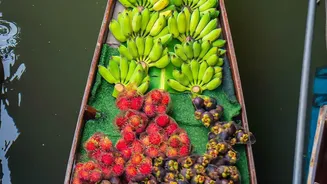
While primarily a late summer fruit, the litchi's season often extends into the first few weeks of the monsoon, especially varieties from northern states like Uttarakhand. This sweet, fragrant fruit is a hydrating treat. When shopping, select litchis with a bright, reddish-pink leathery skin. They should feel firm and be part of a cluster, not loose. Avoid those with brownish or cracked skin. Litchis are a good source of Vitamin C and dietary fibre, which can aid digestion and support your immune system during the seasonal change.
Pears (Nashpati)
Crisp, juicy, and sweet, pears are an excellent monsoon fruit because they are gentle on the stomach and hydrating. They are rich in fibre, which helps maintain good digestive health and bowel regularity — a common concern during the rains. Choose pears that are firm, with smooth skin and no bruises or soft spots. The colour should be consistent, whether green or light yellow. Pears are a great source of vitamins and antioxidants that support overall immunity.
Plums (Aloo Bukhara)
Available in various colours like deep red and purple, plums have a delightful sweet-tart taste. Look for fruits that are plump with a dusty white coating, which is a natural bloom indicating freshness. They should yield slightly to gentle pressure. If you buy them firm, you can let them ripen at room temperature. Plums are packed with antioxidants, fibre, and vitamins. They are known to help with detoxification and can relieve constipation.
Peaches (Aadu)
Peaches are a juicy, fragrant stone fruit popular during the monsoon. Their velvety skin and sweet pulp make them a favourite. When selecting, look for a rich, yellowish-orange colour and a pleasant aroma. The fruit should be firm but give slightly when pressed; avoid any that are overly soft or bruised. Peaches are a good source of vitamins A and C, which are essential for healthy skin and a strong immune system. They also provide dietary fibre that aids digestion.
Smart Shopping and Safety
The monsoon demands extra care. Always wash fruits thoroughly under running water before eating. For fruits with edible peels like plums and pears, a gentle scrub can help remove surface contaminants. It's best to avoid pre-cut fruits sold by street vendors, as the risk of contamination is higher. Buy fruits in smaller batches more frequently to ensure they are fresh, as the humidity can cause them to spoil quickly. Store them in a clean, dry place or in the refrigerator to prolong freshness.