


A Ritual for the Senses
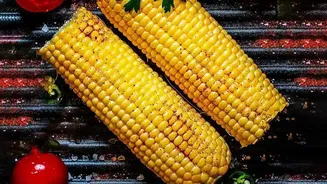
More than just a snack, the experience of bhutta is a multi-sensory ritual that defines the monsoon for many. It begins with spotting the bhutta-wala's cart, a welcome sight on a rainy day. The magic starts with the smoky aroma of fresh corn roasting
over glowing red coals. You can hear the kernels pop and crackle as the vendor expertly turns the cob, fanning the embers until each side is perfectly charred. The final act is the seasoning: a lime half is dipped into a mixture of salt, red chilli powder, and chaat masala, then rubbed generously over the hot kernels. This process transforms a simple corn on the cob into a symphony of flavours—smoky, sweet, tangy, and spicy all in one bite.
The Taste of Shared Memories
For countless Indians, the taste of bhutta is deeply intertwined with nostalgia. It evokes memories of childhood, huddling under an umbrella after school, or long drives with family during the rains. It's a snack that connects generations; older members of the family remember enjoying it in their youth, a tradition they now share with their children and grandchildren. This shared experience, often enjoyed outdoors at beaches, parks, or quiet hill stations, turns a simple street food into a cherished memory. The act of buying and eating bhutta together becomes a small but significant ritual, reinforcing bonds and creating a sense of continuity across time.
An Affordable and Humble Treat
In a world of increasingly complex and expensive snacks, the bhutta remains refreshingly simple and accessible. Its affordability makes it a go-to treat for everyone, from students to families on an evening walk. This accessibility is a key part of its charm. Unlike fancy cafe offerings, bhutta is democratic street food, enjoyed by people from all walks of life. The vendors themselves are an integral part of this ecosystem, their makeshift stalls appearing like clockwork with the arrival of the monsoon. This simplicity extends to its ingredients—freshly harvested corn, charcoal, and a handful of common spices—making it a rustic and authentic delight.
A Healthier Street Food Choice
During a season notorious for cravings for deep-fried foods like pakoras and samosas, bhutta offers a relatively healthier alternative. Since it is typically roasted or steamed, not fried, it allows for indulgence without the guilt. Corn itself is a good source of dietary fibre, which aids digestion, and contains essential vitamins and antioxidants. Being served piping hot, straight from the fire, also reduces the risk of contamination often associated with street food, especially during the humid monsoon months. This combination of health benefits and robust flavour makes it a smart and satisfying choice for a rainy-day snack.
From Classic Roast to Modern Cups
While the classic charcoal-roasted desi bhutta remains the undisputed king of monsoon snacks, its modern cousin, the steamed sweet corn cup, has also found a loyal following. This variation caters to those who prefer softer kernels and a different flavour profile, often tossed with butter, black pepper, and other seasonings. Many vendors now offer both options, with a steamer set up right next to their traditional coal grill. Whether you prefer the chewy, smoky texture of the traditional cob or the convenience of a masala corn cup, the core appeal remains the same: a warm, comforting, and flavourful celebration of the season.