






The All-Milk Dilemma
Cooking steel-cut oats in milk promises a luxuriously creamy and flavourful breakfast, far superior to one made with just water. The milk solids and fat add a richness and velvety texture that water alone can't replicate. However, this approach is not
without its difficulties. Milk is prone to scorching on the bottom of the pan and boiling over, creating a frustrating mess. This happens because the starches in the oats swell and thicken the liquid, trapping steam bubbles until they erupt. Furthermore, boiling milk can alter its proteins, potentially leading to a gluey texture. The key isn't to avoid milk, but to manage it with a smarter method.
The Perfect Liquid Ratio
The consensus for creamy yet reliable steel-cut oats is a 4:1 liquid-to-oat ratio. For every one cup of steel-cut oats, you should use four cups of liquid. While you can use all milk, many experienced cooks recommend a combination of milk and water to get the best of both worlds: creaminess from the milk and a lower risk of burning from the water. A great starting point is to use two cups of water and two cups of milk. Some even prefer three cups of water and one cup of milk, adding the milk toward the end of the cooking process. Using whole milk will yield the creamiest result, while plant-based milks like almond or oat milk also work well.
A Step-by-Step Stovetop Guide
Patience and low heat are your best friends for this process. First, consider toasting your dry oats. Melt a tablespoon of butter or coconut oil in a heavy-bottomed saucepan over medium-low heat, then stir in the oats for a few minutes until fragrant. This simple step deepens their natural nutty flavour. Next, add your liquid (the water and milk mixture) and a pinch of salt, which is crucial for enhancing flavour. Bring the mixture to a gentle simmer, then immediately reduce the heat to low. Cook uncovered for 25-40 minutes, stirring occasionally to prevent sticking. The porridge is ready when the oats are tender and have absorbed most of the liquid. It will continue to thicken as it rests.
Avoiding Common Kitchen Disasters
The two biggest fears with milk-based porridge are scorching and boiling over. To prevent scorching, use a heavy-bottomed pot, which distributes heat more evenly and eliminates hot spots. Frequent stirring, especially during the last 10-15 minutes of cooking, is essential to stop the oats from sticking. To prevent a boil-over, maintain a very low simmer and use a pot that is large enough to allow the oats to expand. If you notice the mixture rising, give it a stir and lower the heat immediately. Some cooks also suggest starting the cooking process with just water and adding the milk in the final 10 minutes to reduce the risk.
Beyond the Basic Bowl
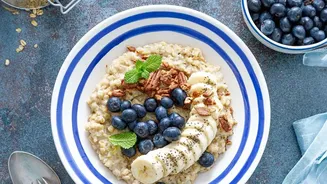
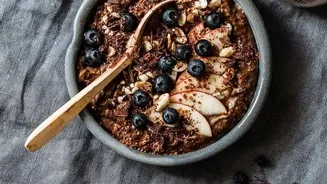
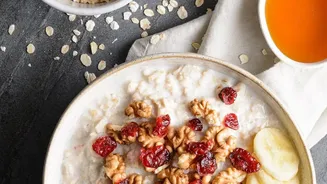
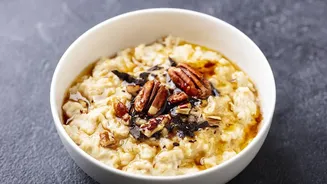
Once you have your perfectly creamy porridge, it becomes a blank canvas for countless flavour combinations. While the oats are simmering, you can infuse them with spices like a cinnamon stick or a pinch of nutmeg. For sweetness, stir in maple syrup, honey, or brown sugar after the porridge is cooked. Toppings are where you can truly get creative. Fresh fruit like sliced bananas or berries, toasted nuts like pecans or almonds, and a sprinkle of seeds add texture and nutritional value. For an even richer finish, a classic touch is to add a slice of butter and an extra splash of warm milk just before serving.