



As winter arrives, we seal our homes to stay warm. But this cozy impulse has an unintended side effect: it traps a surprising amount of invisible pollutants indoors, creating air that can be far more concentrated with irritants than the air outside.
What Are These Trapped Particles?
The
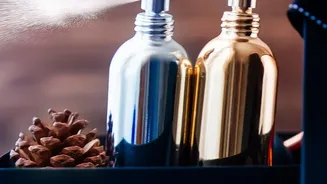
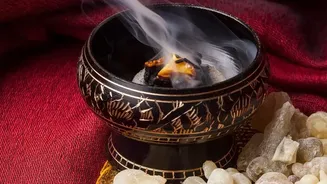
main culprits are 'fine household particles,' often called PM2.5. These are microscopic specks of solids or liquids, about 30 times smaller than a human hair, that can stay suspended in the air for hours. Indoors, they come from a huge range of everyday activities. Cooking, especially frying or using a tadka, is a major source. So are burning incense sticks (agarbatti), mosquito coils, and candles. Other sources include cleaning products, dust mites, pet dander, and even particles from new furniture or paint. These particles are so small they can bypass the body's natural defences, travelling deep into the lungs and even entering the bloodstream.
Why Winter Makes It Worse
The key factor is the 'air replacement rate,' which measures how often the entire volume of air inside your home is replaced with fresh air from outside. During warmer months, open windows and doors ensure a high rate of air exchange, constantly flushing out pollutants. But when it gets cold, we do the opposite. We keep windows and doors tightly shut to conserve heat. This drastically lowers the air replacement rate, sometimes from a healthy 0.5-2.0 changes per hour down to as low as 0.1 in well-sealed homes. As a result, every particle generated indoors—from cooking dinner to spraying air freshener—has nowhere to go and simply accumulates, getting recirculated by your heating system.
The Hidden Health Risks
This build-up of indoor pollutants isn't just a matter of stale air. Long-term exposure to fine particles is linked to a range of health issues. It can trigger or worsen respiratory conditions like asthma and bronchitis, cause persistent coughing, and increase susceptibility to infections. For those with existing heart or lung diseases, the effects can be even more pronounced. Beyond the lungs, chronic exposure has been associated with cardiovascular problems, skin irritation, and even poor sleep quality. Since we spend the vast majority of our time indoors, especially during winter, the cumulative dose of these pollutants can become significant without us even realizing it.
Simple Steps for Cleaner Indoor Air
The good news is that you don't have to choose between a warm home and clean air. Small, strategic changes can make a big difference. The most effective step is source control. Use your kitchen's exhaust fan or chimney every time you cook, especially during high-heat cooking, and leave it on for a few minutes after you finish. The same goes for bathrooms; run the exhaust fan during and after a shower to vent moisture and prevent mould. Be mindful of products that release particles, like aerosol sprays and strong-scented candles, and use them in well-ventilated areas.
Ventilate Smartly and Purify
Even in the cold, strategic ventilation is crucial. Try 'shock ventilation' by opening windows wide on opposite sides of the house for 5–10 minutes each day. This allows for a rapid exchange of air without losing too much heat. If outdoor pollution is high, focus on purifying the air you have. A good air purifier with a HEPA filter is highly effective at capturing fine particles like PM2.5, dust, dander, and pollen. Place it in the room where you spend the most time, such as the bedroom or living room. Finally, ensure your heating system's filters are clean and replaced regularly, as a clogged filter can't effectively trap particles and can just recirculate them through your home.