





The Rise of the 'Workcation'
The single biggest catalyst for this change is the remote work revolution. The pandemic proved that productivity isn't tied to a physical office, and many Indian companies have embraced hybrid or fully remote models. This newfound flexibility has untethered
professionals from their city desks, making it possible to work from a Goan beach house, a Himalayan homestay, or a quiet villa in Kerala for weeks at a time. This blend of work and leisure, often called a 'workcation' or 'bleisure', makes longer stays not just desirable, but practical. Data shows a significant increase in travellers planning workations, with the average duration extending from a few days to over a week, signalling a fundamental change in the work-life landscape.
A Search for Deeper Connection
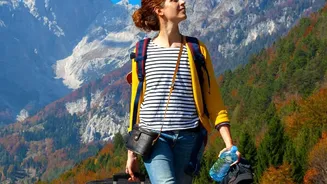
Indian travellers are increasingly asking 'How deeply can we experience this place?' instead of 'How many places can we see?'. There is a growing fatigue with superficial, checklist-style tourism. The new travel mindset prioritises meaningful discoveries over photo opportunities. This could mean learning to cook with a local family, exploring a village market without a deadline, or simply understanding the rhythm of a place by staying put. Travel industry data reflects a clear move towards 'slow travel', where single-base itineraries are on the rise and multi-city tours are declining. Travellers are seeking cultural immersion and authentic connections, which are impossible to forge when rushing between airports and hotels.
An Escape from Urban Burnout
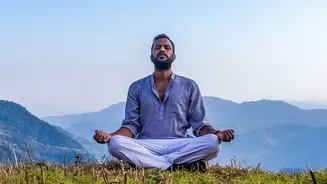
For many, the frantic pace of a multi-city tour simply mirrors the high-stress environment they're trying to escape. Recent surveys reveal alarming rates of workplace burnout among Indian professionals, particularly Gen Z and millennials. In response, travellers are actively seeking holidays centred on relaxation and mental wellness. A staggering 91% of Indian travellers now want trips built around nature and scenery, not just landmarks. Slow travel serves as a form of recovery, allowing for genuine rest and a disconnect from the structured pressures of daily life. Instead of returning from a holiday needing another one, people are using longer stays to truly recharge.
The Simple Economics of Staying Put
While it may seem counterintuitive, staying longer in one place can be more budget-friendly. The costs associated with constant movement—multiple flights, train tickets, and taxis—add up quickly. By settling in one location, travellers can often negotiate significant discounts on weekly or monthly stays at Airbnbs, serviced apartments, or homestays. This model also allows for self-catering, which drastically reduces food expenses compared to eating out for every meal. Furthermore, Indian travellers are becoming more value-conscious, prioritising what they get for their money over just the lowest price. A longer, more immersive trip in one quality location is increasingly seen as a better investment than a rushed, superficial tour of many.
Sustainability and Simplified Logistics
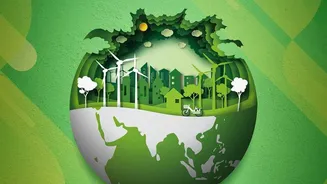
The hassle factor of a multi-city trip is undeniable: the constant packing and unpacking, the time lost in transit, and the energy spent navigating new logistics every few days. A single-destination holiday eliminates this stress, offering a more seamless and relaxing experience. Alongside this practical consideration is a growing awareness of responsible tourism. Travellers recognise that fewer flights and less transportation result in a lower carbon footprint. Staying longer in one community also means that more tourist spending directly benefits local economies, supporting small businesses, artisans, and restaurants, making the holiday not just more enjoyable but more sustainable too.