





The New Customer Expectation
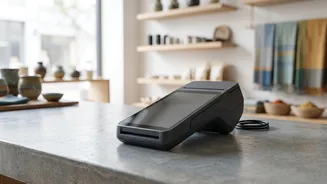
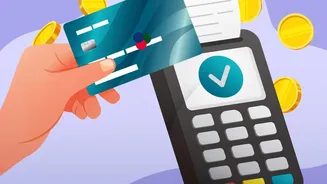
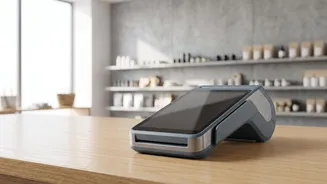
Not long ago, accepting credit cards was enough. Now, customers arrive expecting to tap a phone or smartwatch to pay. This preference for contactless and digital wallet payments—like Apple Pay and Google Pay—is no longer a niche behavior, especially among
younger demographics. A business that can't offer a fast, frictionless checkout can seem outdated, creating a poor customer experience that might send shoppers to competitors. For high-traffic businesses like cafes or food trucks, shaving seconds off each transaction adds up, enabling them to serve more customers during peak hours and increase revenue.
The Double-Edged Sword of Fees and Costs
While going digital eliminates the costs of handling cash—like bank deposit fees and armored car services—it introduces its own set of expenses. Every digital transaction comes with a processing fee, typically ranging from 1.5% to 3.5%, which can significantly eat into the thin profit margins of a small business. These costs become even more complex with newer payment methods. Buy Now, Pay Later (BNPL) services, for instance, charge merchants fees between 2% and 8% per transaction. On top of transaction fees, owners must also factor in costs for hardware, software subscriptions, and potential penalties for not meeting transaction minimums, making careful financial management crucial.
Beyond the Sale: A Goldmine of Data
Perhaps the most significant change digital payments bring is access to data. Unlike anonymous cash transactions, digital payments create a record. Modern payment systems can provide insights into a shop's busiest hours, most popular products, and customer return rates. This information was once the exclusive domain of large corporations with sophisticated analytics teams. Now, even a small boutique or pop-up can use this data to make smarter decisions about staffing, inventory, and marketing without needing a dedicated analyst. Tapping into these native insights helps small businesses operate more efficiently and better understand their customer base.
New Frontiers: BNPL and Instant Payments
The evolution doesn't stop at tap-to-pay. Two major trends are further altering the landscape: Buy Now, Pay Later (BNPL) and instant payment networks. BNPL services from providers like Affirm and Klarna allow customers to split large purchases into smaller, interest-free installments. For a small business selling higher-ticket items, offering BNPL can increase the average order value and boost sales by making purchases more manageable for customers. Simultaneously, instant payment networks like the FedNow Service allow businesses to receive funds in seconds, 24/7, rather than waiting days for transactions to clear. This dramatically improves cash flow, giving owners immediate access to their money to pay suppliers or employees.
The Challenge of Security and Integration
With greater digital adoption comes increased risk. Small businesses are now on the front lines of protecting sensitive customer data, requiring compliance with standards like the Payment Card Industry Data Security Standard (PCI DSS). A data breach can be catastrophic for a small shop's reputation and finances. Contactless payments using tokenization offer enhanced security over traditional card swipes, but the responsibility remains on the business owner. Another challenge is integration. A payment system that doesn't seamlessly connect with a business's accounting or inventory software can create manual reconciliation headaches and operational bottlenecks.