



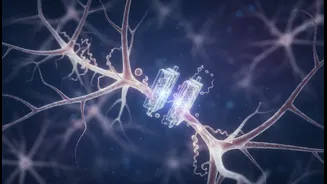



The Brain’s Inner Border Patrol
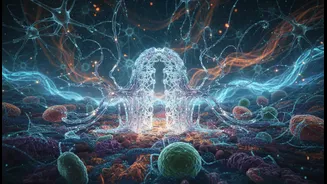
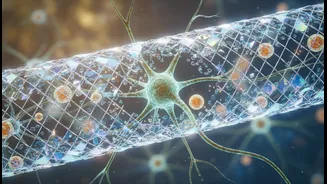
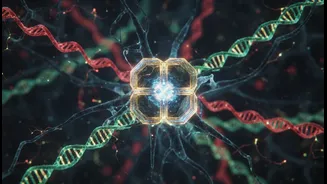
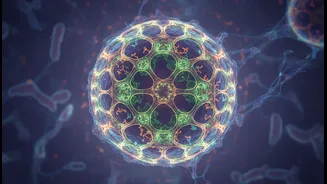
Inside each of our brain cells, or neurons, lies a command centre called the nucleus. This nucleus is protected by a membrane, and controlling everything that goes in or out are thousands of tiny, intricate doorways known as nuclear pore complexes (NPCs).
Think of them as the cell’s highly selective border patrol. These 'gatekeepers' are complex assemblies of proteins called nucleoporins, and they are responsible for the critical task of managing the two-way traffic of molecules between the nucleus and the rest of the cell, known as the cytoplasm. This transport is essential for normal cell function, allowing vital proteins and RNA to move where they are needed. For years, scientists saw these pores as simple structural components, but a growing body of evidence shows they are active, dynamic participants in the life of a cell.
A Traffic Jam at the Nuclear Gate
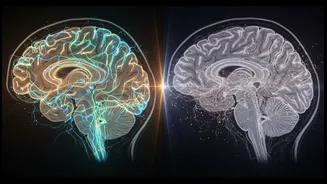
In a healthy brain, this system runs smoothly. But in Alzheimer's disease, things go terribly wrong. One of the hallmark proteins of the disease, called tau, becomes defective and starts to accumulate inside neurons. Research has revealed that this pathological tau protein directly interacts with the NPCs. It essentially clogs these critical doorways. Studies show that tau can bind to a key component of the pore, a protein named Nup98, and effectively drag it out of place. This causes the pores to become leaky and dysfunctional, creating a cellular traffic jam that impairs the transport of essential molecules. The number of pores can decrease, and their structure can become physically disrupted, further hindering communication between the nucleus and the cell.
The Cellular Domino Effect
This breakdown of the cell's gatekeeping system triggers a cascade of devastating consequences. When the nuclear pores are compromised, the normal flow of proteins and genetic information is disrupted, contributing to widespread cellular stress and dysfunction. Making matters worse, the very act of Nup98 being pulled into the cytoplasm appears to encourage more tau to clump together, creating a vicious cycle that accelerates the formation of the neurofibrillary tangles that are a signature of Alzheimer's. This disruption is not just a side effect of the disease; evidence suggests it is a key mechanism that contributes to the neurotoxicity that ultimately leads to neuron death and the cognitive decline seen in patients.
From Problem to Potential Prevention
The discovery of this mechanism marks a significant shift in how scientists think about fighting Alzheimer's. For a long time, the focus has been on clearing the large plaques and tangles that form outside and inside cells. While important, understanding the role of nuclear pores provides a new, earlier target for intervention. If the initial clogging of these gates can be prevented, it might be possible to stop the downstream domino effect before irreversible damage occurs. Scientists now believe that targeting the interaction between tau and the nuclear pore complex could be a promising new therapeutic strategy. This could involve developing drugs that prevent tau from binding to Nup98 or therapies that help keep the nuclear pores stable and functional, even in the presence of pathological tau.
A New Chapter in Brain Health
While this research does not offer an immediate cure, it opens up an exciting and hopeful new avenue for developing preventative treatments. By understanding how these microscopic gatekeepers are compromised, researchers can now screen for compounds that protect them. For the millions at risk of developing Alzheimer's, this means that future strategies may not just focus on managing symptoms but on preserving the fundamental health of brain cells from the inside out. Research continues to explore the intricate connections between different cell types and processes in the brain, including the role of the brain's immune cells, known as microglia, and other transport systems. Each discovery, like the one about these crucial nuclear pores, adds another piece to the puzzle, bringing us closer to a future where the onset of this devastating disease can be significantly delayed or even prevented altogether.