





Spring: Refresh and Inspect
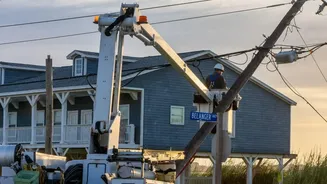
As the weather warms, it's time to recover from winter and prepare for summer. Start by clearing gutters and downspouts of leaves and debris to prevent water damage during spring showers. Inspect the roof for any shingles or tiles that were damaged by winter storms.
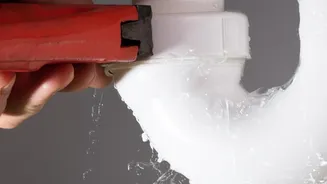
Check the exterior of the property, including walls and the foundation, for any cracks that may have formed. This is also the ideal time to schedule a professional service for the air conditioning system before the summer heat arrives. Inside, test all smoke and carbon monoxide detectors, replacing batteries as needed. Look under sinks and around toilets for any signs of slow leaks that may have gone unnoticed. Finally, it’s a great time for some landscaping cleanup, trimming shrubs and trees away from the house.
Summer: Focus on Cooling and Exteriors
Summer maintenance is all about efficiency and outdoor upkeep. With the AC running frequently, ensure the filters are clean and replaced quarterly to maintain performance and air quality. Inspect decks, patios, and walkways for any safety hazards or signs of wear; wood decks may need cleaning or resealing. Check for pests, which are more active in warmer months, and schedule preventative treatments if necessary. This is also a good time to inspect for leaks around appliances that use water, like washing machines and dishwashers. Check outdoor faucets and irrigation systems for leaks to avoid wasting water. Inside, inspect the grout and caulk around showers and tubs, as failed seals are a common source of water damage.
Autumn: Prepare for the Cold
As temperatures begin to drop, the focus shifts to winterization. Give the gutters one last cleaning after most of the leaves have fallen to prevent ice dams. It's critical to have the heating system inspected by a professional to ensure it's working correctly and safely before the first cold spell. This is another good time to check and replace HVAC filters. Walk around the property to check for and seal any drafts around windows and doors to improve energy efficiency. If the property has a fireplace, schedule a professional chimney sweep and inspection. Finally, disconnect, drain, and store all outdoor hoses, and shut off exterior water lines to prevent pipes from freezing and bursting.
Winter: Indoor Upkeep and Prevention
Winter maintenance is primarily focused on the interior and preventing cold-weather damage. Regularly check for signs of leaks, especially after heavy rain or snow. Pay attention to ceilings and attics for water stains, which can indicate a roof leak. Test smoke and carbon monoxide detectors again, as they are especially critical when heaters are in constant use. Monitor for plumbing issues; listen for running toilets and check for dripping faucets, as these can waste significant amounts of water and indicate a larger problem. Keep an eye on visible pipes in basements or crawl spaces for any signs of freezing or drips. Addressing minor interior repairs, like small drywall patches or tightening loose fixtures, is a good indoor project for colder months.