


Before You Go: Permits and Bookings
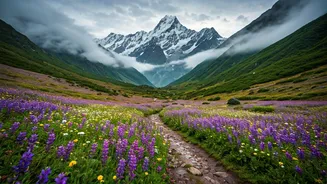
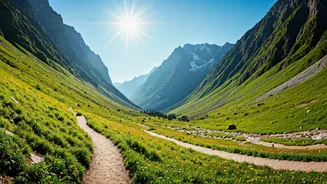
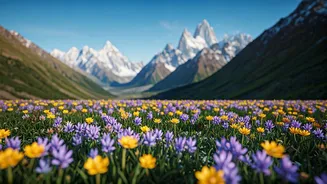
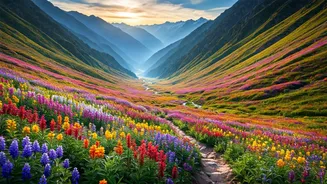
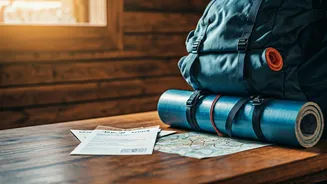
A trip to the Valley of Flowers requires some crucial advance planning, especially for the popular month of July. First on your list should be the entry permit. The Uttarakhand Forest Department has made online registration mandatory. You can book your slot
on the official portal, and it is wise to do this well in advance as there is a daily cap on visitors to protect the fragile ecosystem. The permit fee for Indian citizens is typically valid for three consecutive days, allowing you multiple entries during your stay in Ghangaria. You will need a valid government-issued photo ID for the booking. Next, secure your accommodation in Ghangaria, the base village for the trek, as options are limited and fill up quickly during peak season. Ghangaria offers a range of guesthouses and basic hotels; do not expect luxury, but rather functional comfort. Finally, book your travel to Govindghat, the starting point of the trek, from major hubs like Rishikesh or Haridwar.
Essential Clothing for Monsoon Trekking
Packing for a July trek in the Himalayas is all about layering and waterproofing. The weather can shift from sunny to rainy in minutes. Cotton is your enemy; it absorbs moisture and takes a long time to dry, leaving you cold and uncomfortable. Instead, pack quick-drying synthetic t-shirts and trekking pants. Your layering system should include a base layer of thermals for the cold evenings, a fleece jacket for warmth, and a lightweight padded jacket for extra insulation. The most critical item is your outer layer. A high-quality waterproof and breathable rain jacket and rain pants are non-negotiable. A poncho that can cover both you and your daypack is also a great alternative. Pack more pairs of woollen or synthetic socks than you think you will need; wet socks are a trekker’s nightmare, and drying them overnight in the damp Ghangaria weather is difficult.
Gear and Footwear for the Trail
The right gear will make your trek safer and more enjoyable. Your most important investment is a pair of waterproof trekking shoes with excellent grip and good ankle support. The trails will be muddy, rocky, and slippery due to the monsoon rains, and reliable footwear is essential for stability. Be sure to break in your shoes before the trek to avoid blisters. Trekking poles are highly recommended, especially for the steep ascents and descents. They provide extra balance on tricky terrain and reduce the strain on your knees. You will need a main backpack of around 50-60 litres to carry your luggage, which can be offloaded onto a mule, and a smaller daypack (20-30 litres) for the daily trek into the valley. In your daypack, carry water, snacks, your rain gear, a first-aid kit, and an extra layer. Also, pack a headlamp or torch, as electricity in Ghangaria can be erratic.
Health, Safety, and On-Trek Essentials
High altitude and unpredictable weather demand a focus on health and safety. Acclimatisation is key, so walk at a steady pace and do not rush. Stay hydrated by drinking plenty of water throughout the day. Carry a basic first-aid kit containing essentials like antiseptic wipes, bandages, pain relievers, and medication for altitude sickness, after consulting your doctor. Sunscreen with high SPF is a must, as the sun can be harsh at high altitudes, even on cloudy days. Pack a reusable water bottle to reduce plastic waste. Since you will not find food stalls inside the National Park, carry energy bars, nuts, and a packed lunch for your day in the valley. Keep your original ID proof, permit printout, and sufficient cash in a waterproof bag or ziplock pouch, as digital payments may not work and ATMs are not available in Ghangaria.
Responsible Trekking: Park Etiquette
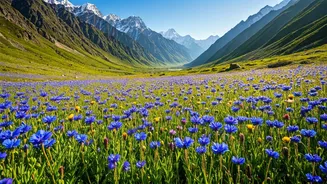
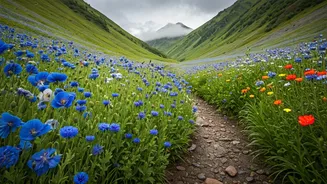
The Valley of Flowers is a treasure we must all help preserve. As a visitor, your actions have a direct impact on its delicate ecosystem. The most important rule is to leave no trace. Carry all your waste, including food wrappers, back with you to Ghangaria for proper disposal. Stick strictly to the marked trails to avoid trampling on fragile flora. Plucking flowers is strictly prohibited; admire their beauty and take photographs, but leave them for others to enjoy. Maintain the serenity of the valley by avoiding loud music or shouting, which can disturb wildlife. Support the local economy by hiring local porters or guides and purchasing local handicrafts in Ghangaria. Following these simple rules ensures that the valley remains pristine for future generations of trekkers.