


The Monsoon's Wild Harvest
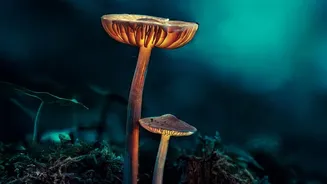
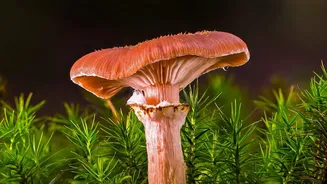
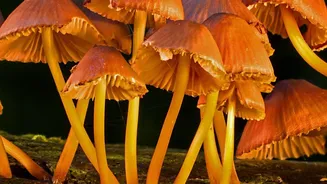
Across India, the monsoon season is synonymous with the emergence of wild fungi. From the 'Rugda' of Jharkhand, often called vegetarian mutton, to the prized 'Olmi' mushrooms that grow on termite mounds in Goa, these seasonal treats are a culinary highlight.
For many communities, foraging is a tradition passed down through generations, with unique knowledge about where and when to find specific varieties. The high humidity and warm temperatures create the perfect conditions for these fungi to fruit, turning a walk in the woods into a potential treasure hunt for gourmands.
The Forager's Dilemma: Edible vs. Toxic
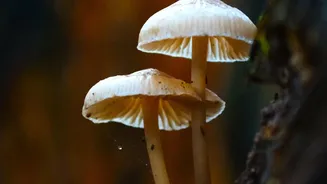
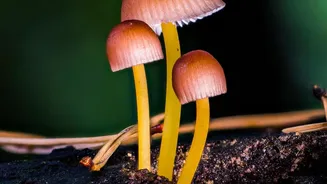
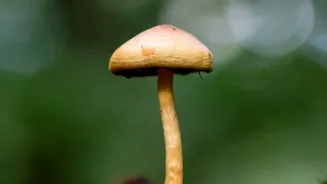
The greatest danger in foraging lies in a single, critical fact: many poisonous mushrooms closely resemble edible ones. This is not a casual risk; it is a life-or-death challenge. Some of the world's most toxic mushrooms, like the lethal Amanita phalloides, or 'death cap', can be mistaken for safe varieties. This single species is responsible for the vast majority of fatal mushroom poisonings worldwide. The initial symptoms of poisoning, such as nausea and vomiting, can be delayed by 6 to 24 hours, during which time irreversible liver and kidney damage is already occurring.
The High Stakes of a Mistake
Ingesting a toxic mushroom is a medical emergency. The poisons in species like the 'death cap' and its relative, the 'destroying angel', are amatoxins, which are heat-stable and cannot be destroyed by cooking, boiling, or drying. After initial gastrointestinal distress, a victim might experience a deceptive period of feeling better for a day or two. However, during this time, the toxins are silently destroying liver and kidney cells. Symptoms then return with a vengeance, leading to jaundice, delirium, seizures, and often, complete organ failure, which can be fatal without an urgent liver transplant.
Debunking Dangerous Identification Myths
Folklore around mushroom identification is rampant and dangerously misleading. You cannot rely on simple tricks or so-called rules of thumb. Many common myths can lead to a fatal error. For example, the belief that poisonous mushrooms are always brightly coloured is false; the deadly 'death cap' is a plain, whitish-greenish mushroom. It's also untrue that if an animal eats a mushroom, it's safe for humans; some animals can digest toxins that are lethal to us. Other false tests include believing that peeling the cap, cooking the mushroom thoroughly, or seeing if it tarnishes silver will make it safe. None of these methods work.
The Golden Rules of Safe Foraging
Given the high stakes, absolute certainty is the only acceptable standard for consuming wild mushrooms. The number one rule is: when in doubt, throw it out. Never eat a wild mushroom unless you are 100% certain of its identity, confirmed through multiple reliable field guides or, ideally, by an experienced local expert. Never rely on a single feature for identification. True identification involves examining the cap, gills, stem, spore colour, and the habitat where it was found. For beginners, joining a local mycological society is an excellent way to learn from seasoned foragers. When collecting, use a mesh bag or wicker basket, not plastic, to allow spores to disperse and prevent the mushrooms from rotting.