


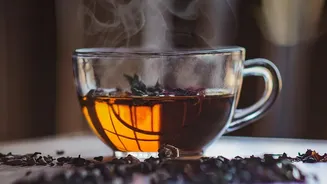
Choose Your Tea Flight
The key to a good tasting is variety. Aim to serve three to five different teas, moving from the most delicate to the most robust flavors. This prevents a stronger tea from overwhelming a lighter one. A classic flight includes one tea from each main category:
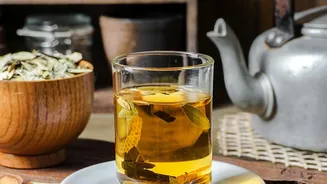
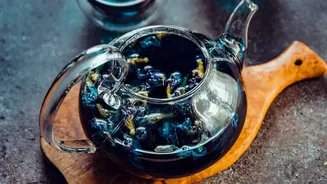
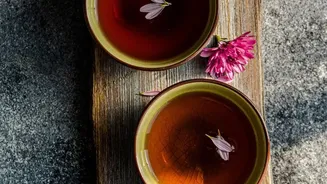
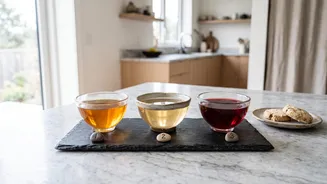
white, green, oolong, and black. White tea is known for its subtle, delicate notes, while green tea offers fresh, vegetal flavors. Oolong falls in the middle, with a wide range from floral to toasty. Black teas are fully oxidized, providing bold and rich flavors. You could also include a caffeine-free herbal infusion, or tisane, as a final option. When selecting, opt for high-quality, loose-leaf teas for the best flavor.
Gather Your Essentials
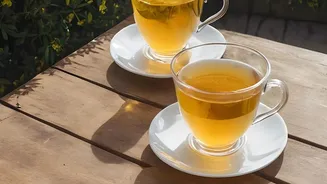
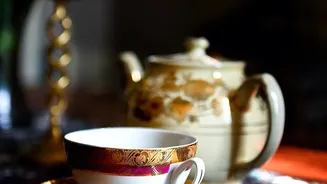
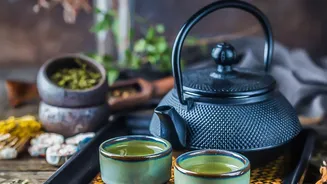
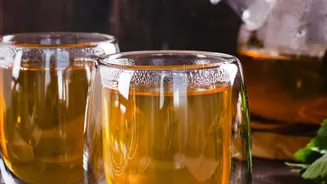
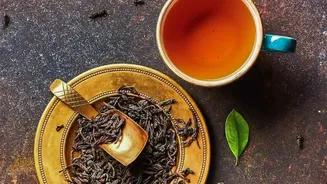
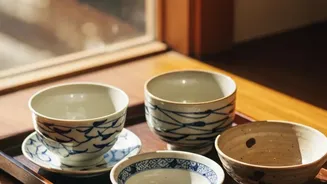
You don't need professional equipment to host a tasting. The basics include a kettle (one with temperature control is helpful but not required), a teapot or infuser for each tea, and small cups for your guests. Using white or light-colored cups allows everyone to appreciate the color of the brewed tea, known as the 'liquor'. You'll also want to provide notecards and pens so guests can jot down their thoughts on each tea. Small bowls for displaying the dry and infused leaves are a nice touch, allowing everyone to see and smell the leaves before and after brewing. Keep the gathering small, ideally between four and ten people, to maintain an intimate and conversational atmosphere.
Brewing for Optimal Flavor
Proper brewing is crucial for bringing out the best in each tea. The two most important factors are water temperature and steeping time. A general rule is that less oxidized teas require cooler water. Scorching delicate leaves with water that is too hot can result in a bitter taste. For white and green teas, aim for water between 74-85°C. Oolongs do well with water around 82-91°C, while robust black and herbal teas need boiling water (93-100°C) to fully extract their flavors. If you don't have a temperature-controlled kettle, you can boil water and let it cool for a few minutes to reach the desired temperature. Steep times vary, but a good starting point is 1-3 minutes for green tea and 3-5 minutes for white, oolong, and black teas.
Guide the Tasting Experience
Guide your guests through a sensory exploration of each tea. Start by observing the dry leaves, noting their shape and aroma. After brewing, have everyone observe the color of the liquor. Before the first sip, encourage guests to smell the brewed tea. The most important part of tasting is the slurp. Taking a noisy sip introduces oxygen, which helps to spray the tea across the palate and reveal more complex flavors. Ask guests to describe the 'mouthfeel'—is it thin and light, or thick and smooth? Encourage discussion about the flavors and aromas they detect. There are no wrong answers; the goal is to notice the unique character of each tea.
Simple Food Pairings
Since tea is the main event, food should be simple and serve as a palate cleanser rather than the focus. Offer bland snacks like plain crackers, water biscuits, or mild shortbread cookies. These won't interfere with the tea's delicate flavors. If you want to offer more, stick to light fare. Finger sandwiches with cucumber and cream cheese, fresh fruit, or light pastries work well. The rule of thumb is to match the intensity of the food with the intensity of the tea. Delicate white and green teas pair well with lighter foods, while bold black teas can stand up to richer bites like scones or even small chocolate treats.