

Dal Tadka and the Power of Hing
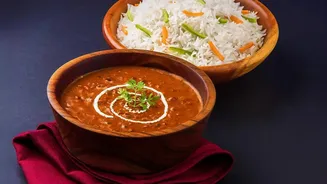
At its heart, dal is a simple lentil stew, a staple across India. What makes it sublime is the 'tadka' or tempering—a final flourish of spices bloomed in hot ghee or oil. The most crucial, and often misunderstood, ingredient here is asafoetida, or 'hing'.
This pungent resin, when fried for a few seconds, loses its overpowering aroma and develops a deep, savoury flavour reminiscent of onions and garlic. A tiny pinch provides an umami backbone that transforms the humble lentil into a profoundly comforting and flavourful dish.
Poha and the Humble Flattened Rice
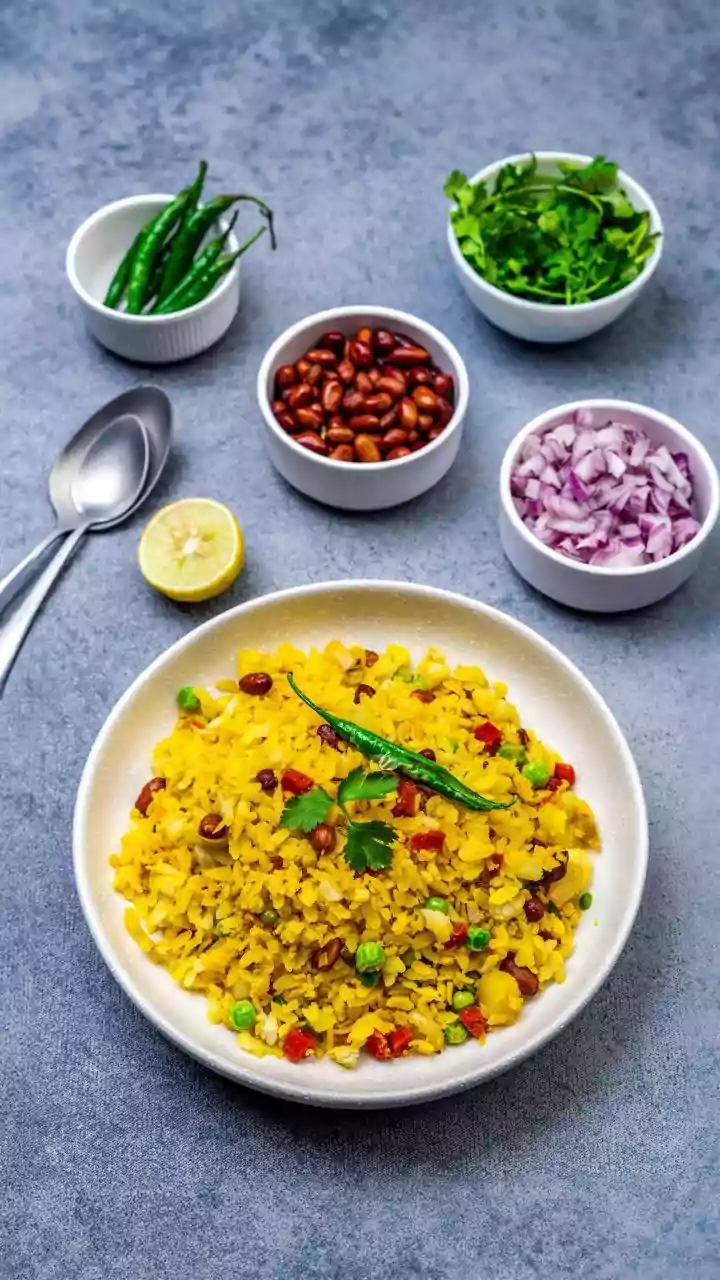
Poha is a beloved breakfast dish, especially in Western and Central India. The star is flattened rice, an ingredient that requires no extensive cooking, just a quick rinse to soften. On their own, these rice flakes are bland. But when tossed with a simple tempering of mustard seeds, curry leaves, turmeric, and onions, they absorb the flavours and become a light, fluffy, and satisfying meal. Topped with roasted peanuts for crunch and a squeeze of lemon for brightness, Poha is a masterclass in texture and taste, all built on a simple, processed grain.
Kadhi and the Magic of Besan
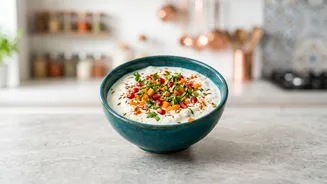
Kadhi is a yogurt-based soup that varies by region, but its soul is always the same: sour yogurt or buttermilk thickened with 'besan' (gram flour). Besan, a flour made from ground chickpeas, is a pantry staple. In Kadhi, it serves two roles. First, it prevents the yogurt from splitting when heated. Second, it lends a nutty, earthy flavour that beautifully balances the yogurt's tang. Simmered with simple spices, this creamy, comforting curry, often studded with fried besan dumplings (pakoras), is a testament to the transformative power of chickpea flour.
Lemon Rice and Leftover Brilliance
Known as Chitranna in South India, Lemon Rice is the ultimate celebration of leftovers. It takes plain, cooked rice and elevates it into a vibrant, zesty meal. The key is not just the lemon juice, but the entire tempering process that precedes it. A simple mix of mustard seeds, lentils (chana and urad dal), curry leaves, and turmeric fried in oil creates a symphony of textures and aromas. The lemon juice, added at the end, ties everything together with a fresh, acidic kick. It’s a dish that proves yesterday's rice can be today’s extraordinary lunch.
Baingan Bharta and the Charred Eggplant
The magic of Baingan Bharta, a rustic North Indian favourite, comes from one simple technique: charring a whole eggplant over an open flame. This process does more than just cook the vegetable; it infuses the flesh with an intensely smoky flavour that cannot be faked with spices. The blackened skin is peeled away, and the soft, smoky pulp is mashed and sautéed with onions, tomatoes, and ginger. The eggplant, a common vegetable, is completely transformed from something plain into a dish with incredible depth and character.
Jaggery and the Unrefined Sweetness
Before refined sugar became ubiquitous, 'gur' or jaggery was the primary sweetener in India. Made from concentrated sugarcane juice or palm sap, this unrefined block of sweetness carries complex notes of caramel and molasses that white sugar lacks. Jaggery isn’t just for desserts; it plays a crucial role in savoury dishes, too. In many South Indian recipes like sambar or certain chutneys, a small piece of jaggery is added to balance the tang of tamarind and the heat of chillies, creating a harmonious and layered flavour profile that sweetness alone could not achieve.
Curry Leaves, the Fragrant Foundation
Often mistaken for a mere garnish, curry leaves ('kadi patta') are a foundational aromatic in South Indian cooking. They are not related to curry powder but possess a unique, complex aroma that is citrusy, nutty, and slightly bitter. When sizzled in hot oil at the beginning of the cooking process—a technique called 'tadka'—they release their essential oils, infusing the entire dish with a fragrance that is the signature of the region's cuisine. Their absence is immediately noticeable; food simply tastes flatter without them.
Khichdi and the Lentil-Rice Harmony
Khichdi is the quintessential Indian comfort food—a simple, porridge-like mix of rice and lentils. Made with just two main ingredients, it is nourishing, easy to digest, and incredibly versatile. While often eaten when unwell, a well-made Khichdi is a delight in its own right. The magic lies in the perfect ratio of rice to lentils, cooked down until they meld into a creamy, satisfying whole. Seasoned with a touch of turmeric and often finished with a dollop of ghee, it’s a dish that celebrates the profound satisfaction of simplicity.