




Meet Your Nervous System’s Superhighway
At the heart of this technique is the vagus nerve, the longest cranial nerve in your body. Think of it as a vast communication network running from your brainstem to your vital organs, including the heart, lungs, and gut. This nerve is the main component
of your parasympathetic nervous system, often called the “rest and digest” system. When the vagus nerve is stimulated, it tells your body to slow down, counteracting the “fight or flight” response that fuels feelings of anxiety and panic. A healthy, well-toned vagus nerve allows your body to return to a state of calm more efficiently after a stressful event. The goal of many relaxation techniques is, essentially, to activate this powerful nerve pathway.
The Science of the Chill: The Diving Reflex
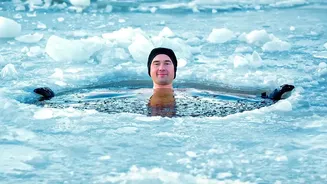
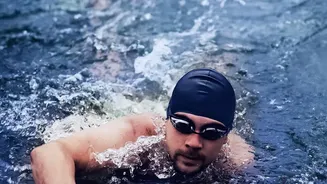
Submerging your face in cold water triggers a powerful, primitive survival mechanism called the mammalian diving reflex. Present in all mammals, this reflex is designed to conserve oxygen when underwater. When the cold-sensitive nerves in your face, particularly around your eyes and nose, are stimulated by cold water, they send an urgent message to the vagus nerve. In response, the vagus nerve immediately works to slow your heart rate and constrict blood vessels in your limbs, redirecting oxygen-rich blood to your essential organs like the heart and brain. This physiological 'reset' effectively interrupts the racing heart and rapid breathing characteristic of an anxiety response, forcing your body into a calmer state.
How to Take the Plunge Safely
Trying this at home is simple, but it’s important to do it correctly. You will need a bowl large enough to fit your face. First, wash your face to remove any makeup or dirt. Fill the bowl with cold tap water and add some ice cubes, aiming for a temperature that is cold but not painfully so. Take a deep breath, hold it, and gently submerge your face for 10 to 30 seconds. Focus on the area around your eyes and forehead making contact with the water. You don't need to hold your breath for an extended period; even a short dip is effective. Lift your face, breathe, and repeat two or three times if you feel comfortable. Always listen to your body and stop if you experience pain, numbness, or dizziness.
A Tool, Not a Cure
While facial immersion provides a rapid and effective way to halt an acute stress or panic response, it is best viewed as a powerful coping tool rather than a cure for chronic anxiety. The calming effect is potent in the moment, helping to interrupt a spiral of panic and bring your focus back to your body. Many people find it useful as a quick reset button during moments of high stress. However, it doesn't replace the need for long-term mental health strategies, such as therapy, medication, or other lifestyle changes. Think of it as one of the most effective first-aid techniques in your mental wellness toolkit, perfect for managing overwhelming moments as they arise.
Other Ways to Support Your Vagus Nerve
Beyond cold exposure, there are many gentle, daily practices that can help improve your vagal tone. Deep, slow breathing where your exhale is longer than your inhale is one of the most effective methods. Because the vagus nerve is connected to your vocal cords, activities like humming, singing, and even gargling can stimulate it and promote relaxation. Gentle massage, particularly on your feet or neck, has also been shown to increase vagal activity. Regular, moderate exercise like walking or cycling helps your body become more resilient to stress. Integrating these small habits can contribute to a more balanced and less reactive nervous system over time.