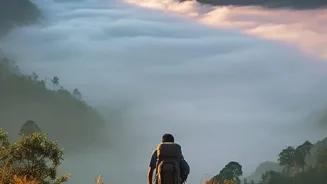

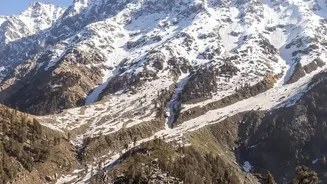
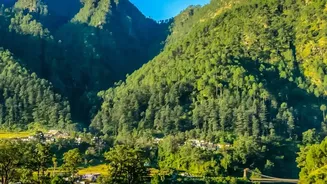
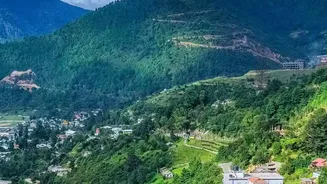
Before the world awakens, in the biting pre-dawn chill of Arunachal Pradesh, a quiet ritual unfolds. It’s a simple act: a walk. But the reward is one of India’s grandest spectacles—the first rays of sun unveiling the Himalayan giants.
The Magic of the First Light
There is a unique
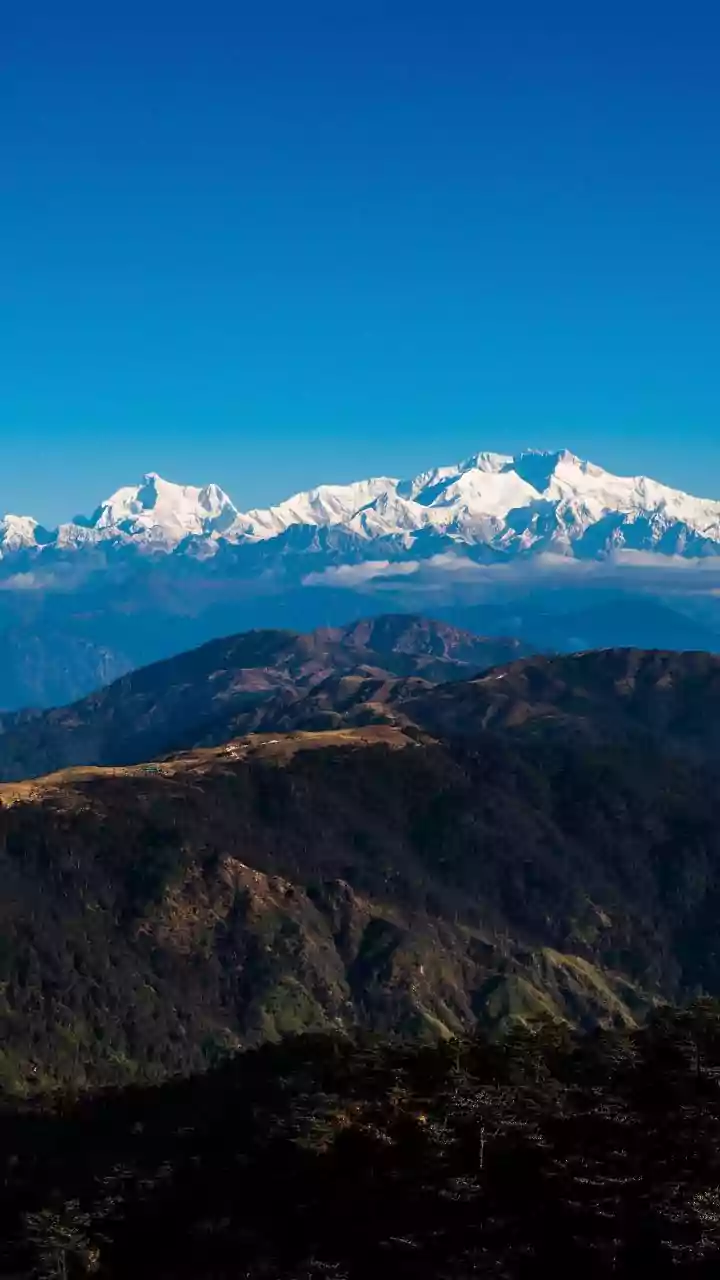
stillness in the air at 5 AM in the high-altitude towns of Arunachal Pradesh. The only sounds are the crunch of your boots on the cold ground and the faint whisper of wind coming down from the Tibetan plateau. This is the magic hour. As you walk, the eastern sky begins to blush, slowly outlining the colossal silhouettes that have been hiding in the dark. Then, it happens. A single, brilliant point of light catches the highest peak, and a wave of gold washes over the snow, revealing a panorama of staggering beauty. It’s a moment of pure, unfiltered nature that makes the early start and the cold feel insignificant.
Where Giants Sleep: The Eastern Sentinels
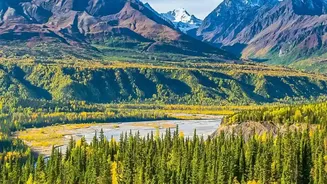
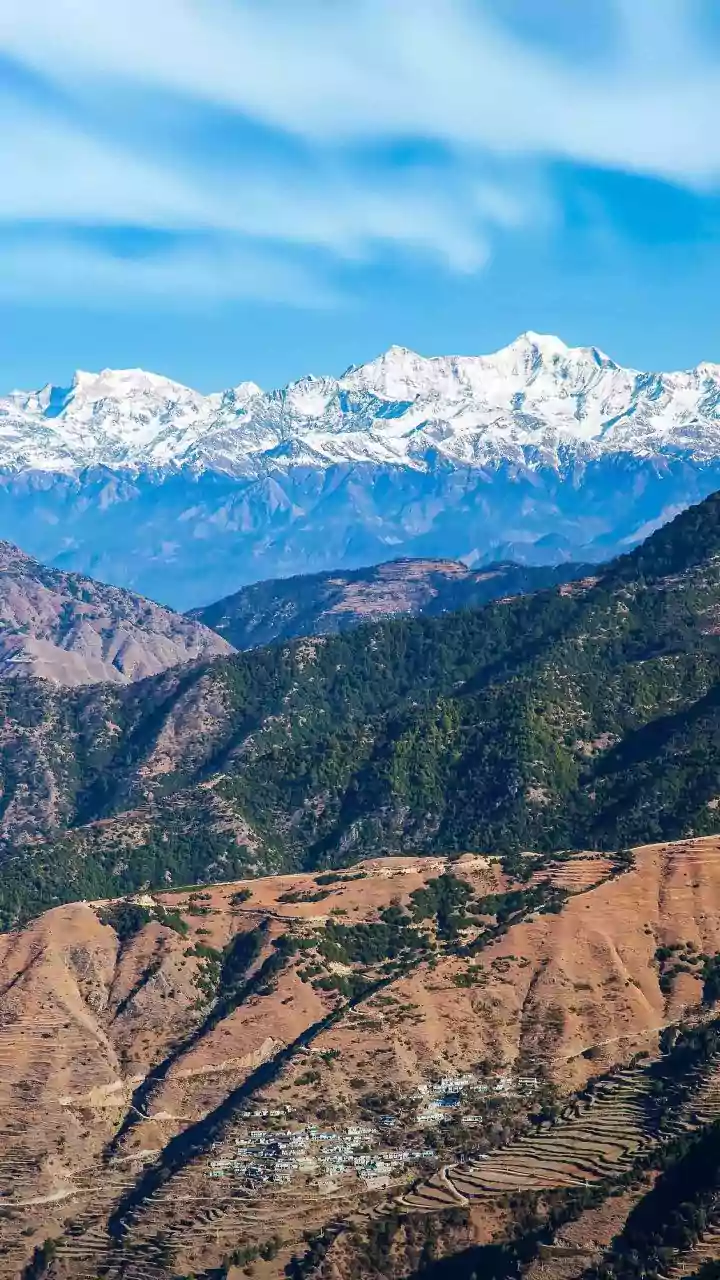
Arunachal Pradesh offers a unique perspective on the Himalayas, showcasing the easternmost sentinels of the great range. From viewpoints in the western part of the state, you are rewarded with views of some of its highest peaks. Look for the majestic Kangto, soaring to over 7,000 metres, and the formidable Gorichen peak, often shrouded in myth and reverence by local communities. Unlike the more crowded viewpoints in other parts of the Himalayas, here you can often enjoy the spectacle in profound silence. This part of the range, which also includes peaks like Nyegi Kangsang, marks a wild and relatively unexplored frontier.
Prime Viewpoints for the Perfect Dawn
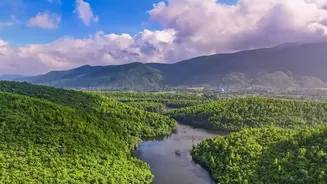
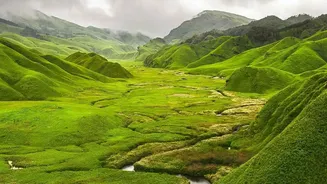
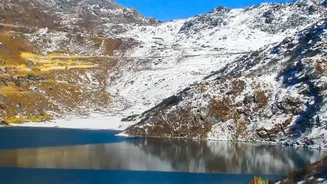
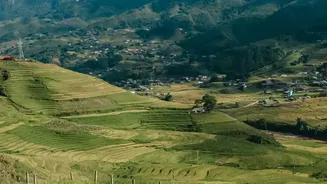
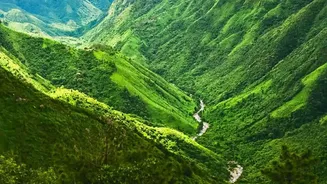
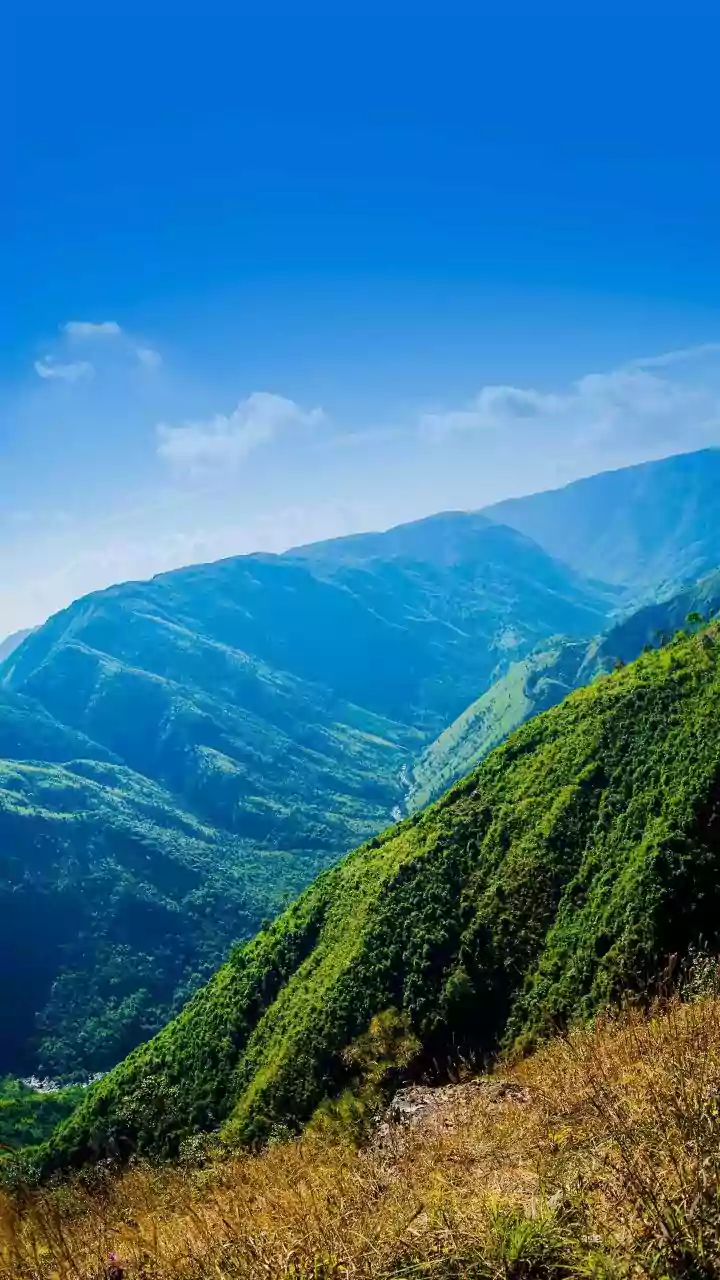
To catch this daily spectacle, location is everything. Tawang, perched at around 10,000 feet, is a classic choice, with numerous vantage points in and around the town offering sweeping views. The journey to Tawang itself, via the breathtaking Sela Pass (over 13,000 feet), provides some of the most dramatic mountain vistas in the country. For those venturing further, the remote Mechuka Valley, also known as the 'Forbidden Valley', is a revelation. Its wide, grassy valley floor, crossed by the winding Siyom River, provides a stunning foreground to the snow-clad peaks beyond, making any morning walk an exercise in awe. Bomdila and Dirang are other excellent stops that offer their own stunning Himalayan vistas and a glimpse into a calmer pace of life.
A Season for Unmatched Clarity
While Arunachal’s beauty is perennial, the crispest views are seasonal. The best time for this experience is the post-monsoon period, from October to November, and again in the spring, from March to April. During these months, the monsoon rains have washed the atmosphere clean of dust and haze, resulting in exceptionally clear skies. The air is dry, the temperatures are cool and pleasant, and the chances of an unobstructed view of the distant peaks are at their highest. Winter, from December to February, offers the drama of heavy snow but can come with the challenge of road closures, especially on high passes like Sela.
More Than Just a Mountain View
An early morning walk here is about more than just the peaks. It is an immersion into a unique cultural landscape. In Tawang, your walk might take you past the serene Tawang Monastery, the largest in India, as monks begin their morning chants. In Mechuka, you might wander through villages of the Memba tribe, with their traditional wooden houses and swinging suspension bridges over the river. The walk is an opportunity to connect with the rhythm of life in one of India’s most remote corners, where Tibetan Buddhism and ancient tribal traditions coexist. It’s a reminder that sometimes, the most memorable travel experiences are the simplest ones: just you, a quiet path, and the grandeur of the mountains.