





What Are Curry Leaves, Exactly?
First, let's clear up a common confusion. Curry leaves have nothing to do with curry powder. The latter is a blend of ground spices, typically including turmeric, coriander, and cumin, which was largely a British invention to approximate Indian flavours.
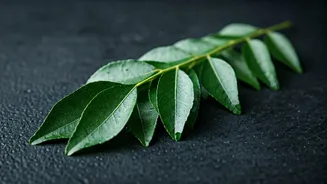
Curry leaves, on the other hand, are the fresh leaves of the *Murraya koenigii* tree, native to India and Sri Lanka. Known as 'kadi patta' in Hindi or 'karuveppilai' in Tamil, they are a fundamental fresh herb in South and West Indian cooking, used in much the same way a Western chef might use bay leaves or rosemary—but with a much more distinct personality.
A Uniquely Complex Aroma
Describing the taste of a curry leaf is a challenge because it’s so unique. It’s not spicy but deeply aromatic. When raw, the leaves have a mild, slightly bitter taste. But the real magic happens when they hit hot oil or ghee. They sizzle, pop, and release a powerful fragrance that is nutty, slightly smoky, and has hints of citrus and anise. This process, known as 'tadka' or tempering, infuses the oil with their essence, which then permeates the entire dish. While dried curry leaves are available, they are a pale imitation of the fresh version, losing most of their potent aromatic oils. If you can find them fresh, always choose them.
How to Buy and Store Them
You're unlikely to find fresh curry leaves in a mainstream supermarket. Your best bet is an Indian or South Asian grocery store, where they are typically sold in small plastic bags, still on the stem. Look for vibrant, deep green leaves without any yellowing or wilting. Once you get them home, they can last for about one to two weeks in the refrigerator. To keep them longer, you can either wrap the stems in a damp paper towel and place them in an airtight container or strip the leaves from the stem and freeze them in a zip-top bag. They retain their flavour remarkably well when frozen and can be thrown directly into hot oil from the freezer.
The Magic of Tadka (Tempering)
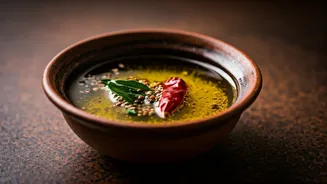
The single most important technique for using curry leaves is the tadka. This is the 'instant' flavour boost the headline promises. It's a simple but transformative step that forms the flavour base for countless Indian dishes. To do it, heat a small amount of oil or ghee in a pan. Once it’s hot (but not smoking), add mustard seeds. When the mustard seeds start to pop, add a sprig of curry leaves. Be prepared for them to sputter and crackle as they release their moisture and aroma. After a few seconds, you can add other aromatics like chopped onions, ginger, or chillies. This flavour-infused oil is then poured over lentils (dal), yogurt dishes (raitas), vegetable preparations (sabzis), or used as the starting point for a curry.
Beyond the Tadka
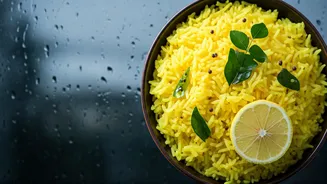
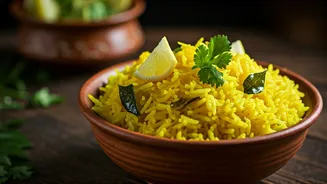
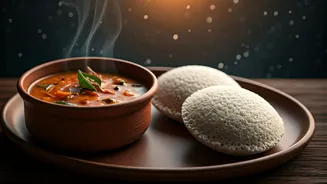
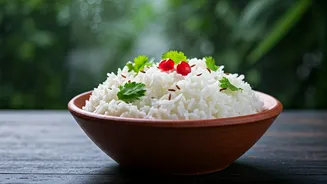
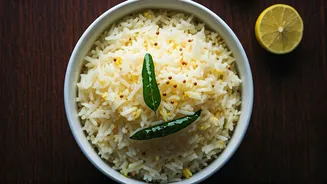
While tempering is their most famous application, curry leaves are versatile. You can finely chop them and mix them into batters for savoury pancakes like dosa or adai. They can be ground into fresh chutneys and powders, adding a fresh, herbal note to balance the heat of chillies and the tang of tamarind. They are also fantastic in marinades for chicken or fish, and you can even throw a whole sprig into the pot when cooking rice to infuse it with a subtle, enticing aroma. Some cooks even fry them until crisp and use them as a crunchy, edible garnish for snacks and curries.
A Touch of Traditional Wellness
Beyond their culinary prowess, curry leaves have a long history in Ayurvedic medicine. They are traditionally valued for their digestive properties and are rich in antioxidants, including various carbazole alkaloids that contribute to their unique aroma and potential health benefits. While modern science is still exploring these traditional claims, it's clear that the leaves contain beneficial plant compounds. But their primary role in the kitchen is flavour, and on that front, they deliver in a way few other herbs can.