

The ritual of brewing tea is a simple daily pleasure, but are you getting the most from your leaves? Small, common mistakes can lead to a bitter or bland cup. It’s time to debunk the myths that stand between you and a truly perfect brew.
Myth: All Tea Needs Boiling Water
Pouring 100°C
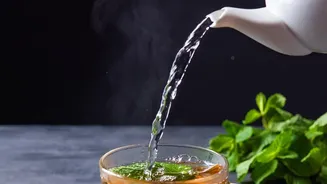
water over your tea is one of the most common ways to ruin a potentially great cup. While robust black teas and many herbal infusions can handle the heat, delicate leaves cannot. Using boiling water on green and white teas essentially scorches them, causing an over-extraction of tannins—the compounds responsible for bitterness and astringency. This is often why people claim not to like green tea; they've never had it brewed correctly. For a smoother, sweeter flavour, use cooler water. A good rule of thumb is 70-82°C for green and white teas and 85-95°C for oolongs. If your kettle isn’t temperature-controlled, just let it sit for a few minutes after boiling before you pour.
Myth: Steep It as Long as Possible for More Flavour
Longer doesn't mean stronger—it usually just means more bitter. The various flavour compounds in tea leaves extract at different rates. The desirable, aromatic, and sweet notes often come out first, while the more bitter tannins are released later. When you leave your tea steeping for too long, you’re just inviting bitterness to overpower everything else. Each tea has an ideal steeping time. For most green teas, 1-3 minutes is plenty. Black teas can go for 3-5 minutes, while oolongs and herbals can often handle longer infusions of 5-7 minutes. Leaving the bag or infuser in your mug while you drink is a classic mistake; by the time you reach the bottom, you're drinking a different, harsher beverage than the one you started with.
Myth: Tea Bags Are Just as Good as Loose Leaf
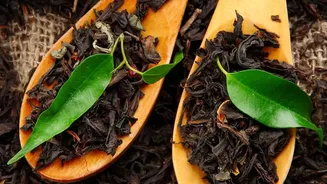
Convenience is the main selling point of a tea bag, but it almost always comes at the expense of quality. Most tea bags are filled with 'fannings' or 'dust'—the tiny, broken particles left over after higher-grade leaves are processed. These small particles have a much larger surface area, which causes them to release their flavour and tannins very quickly, often resulting in a one-dimensional, bitter brew. High-quality loose leaf tea, on the other hand, consists of whole or large broken leaves. These leaves need room to unfurl and expand as they steep, allowing for a slower, more nuanced extraction of flavours and aromas. This results in a much more complex and satisfying cup.
Myth: You Can Only Use Tea Leaves Once
Tossing your leaves after a single cup is like throwing away half the experience, especially with high-quality loose leaf tea. Many teas, particularly oolongs, greens, and whites, are designed to be re-steeped multiple times. Each infusion extracts different compounds from the leaf, meaning the second or third cup can reveal new layers of flavour and aroma that weren't present in the first. The first steep might be bright and grassy, while the second becomes sweeter and more rounded. To re-steep, simply drain the water completely from the leaves and set them aside. For your next cup, which should be within a few hours to avoid bacteria growth, just add hot water again, perhaps increasing the steep time slightly.
Myth: How You Store Tea Doesn't Really Matter
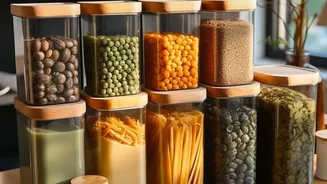
Tea leaves are more delicate than you might think. Their five main enemies are light, air, moisture, heat, and strong odours. Storing your tea in a clear glass jar on the kitchen counter may look nice, but it's a recipe for faded flavour. Light degrades the leaves, while exposure to air causes them to go stale. Tea is also hygroscopic, meaning it readily absorbs moisture and surrounding smells from the air—so keeping it next to your spice rack or coffee grinder is a bad idea. To preserve freshness, store your tea in an opaque, airtight container in a cool, dark cupboard away from the stove and other sources of heat and strong aromas.