








The AI Agent Promise Meets Reality
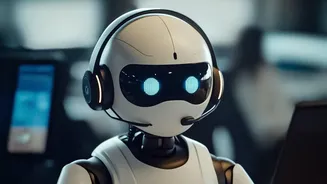
The dream sold by tech companies is simple: instead of tapping through an app, you just tell a smart assistant what you want. 'Get me a car to the airport' or 'Order my usual pizza'. In theory, these AI agents, like Meta's Muse or OpenAI's Dots, would
act as digital butlers, saving you time and effort. But recent data from the service platforms themselves paints a very different picture. During Halloween week, a peak time for the company, Uber recorded only four rides booked by an AI agent out of 320 million total trips and deliveries. Similarly, DoorDash reported only several hundred orders made by agents since their launch, a minuscule fraction of its billions of annual orders. Airbnb's CEO Brian Chesky also noted that a 'negligible' number of bookings come through these third-party agents. The agentic revolution, it seems, has hit a wall of user indifference.
A Solution in Search of a Problem?
One of the core issues is that AI agents are trying to solve a problem that, for many users, doesn't exist. Ordering an Uber already takes the average person about 50 seconds; reordering a favorite meal on Uber Eats takes around 90 seconds. These are not complex, time-consuming tasks crying out for automation. The existing apps are highly refined, visual, and efficient. Users can quickly scroll through restaurant menus, compare hotel photos, and see a car's location on a map. A conversational interface can feel clunkier and slower than this direct, visual interaction. As one Reddit user commented, having to open an agent and describe your pizza order in detail can feel like more work than just opening the DoorDash app and tapping a few buttons.
The Trust Deficit is Real
Beyond convenience, the biggest hurdle is trust. When the stakes involve your money, time, or safety, handing over control to an AI is a major leap of faith. Surveys show that while people are open to using AI for research and recommendations, very few are comfortable with an agent making a purchase on their behalf without final approval. A mistake by an AI agent isn't just a digital error; it's a real-world problem. It could mean booking a flight to the wrong city, ordering a meal with an allergen, or being charged incorrectly. One study found that over 40% of consumers would stop using an agent for a specific task after just one mistake. This 'asymmetry of liability', where one AI failure can cause significant real-world headaches for the user, makes people cautious. For high-consideration purchases like travel, users often enjoy the process of discovery—browsing listings and photos—which an AI can't replicate.
AI's Role is Shifting, Not Disappearing
This doesn't mean AI is useless to these companies. The failure of third-party agents to gain traction has pushed platforms like Uber, DoorDash, and Airbnb to develop their own, more integrated AI features. Instead of replacing the app experience, they are enhancing it. For example, Uber Eats has a feature where AI can populate your grocery cart from a photo of a handwritten list. DoorDash has 'Ask DoorDash' to help users build grocery lists by typing what they're in the mood for. Airbnb is building its own travel-specific agent to help plan entire trips within the app itself. This approach keeps the user in control while using AI to streamline specific, tedious parts of the process. The focus is shifting from autonomous agents to smart assistants that work alongside the user, not in place of them.