




A deadly high-speed train collision in Spain on October 28, 2026, has cast a long shadow, prompting urgent questions about safety protocols for India’s own ambitious bullet train project. The incident underscores the vital importance of backup systems.
What Happened in Spain
On October 28, a high-speed AVE train operated by Renfe crashed into a stationary Iryo train near Toledo, Spain, resulting in at least 69 fatalities. The catastrophe began when the primary automated signalling system, known as LZB, experienced a computer failure and went offline. This automatically brought all trains on that section of the track to a halt, as it is designed to do. However, investigators believe a subsequent human error at the control centre authorised the Renfe train to resume its journey at normal speed, despite the backup system being less sophisticated and another train remaining stationary on the same line. This chain of events—a technical failure compounded by human misjudgment—led to the tragic collision, marking Spain's second fatal high-speed rail accident in 2026.
The Crucial Role of Backup Systems
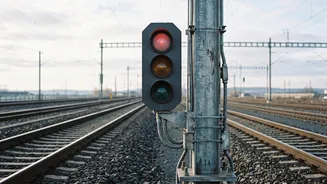
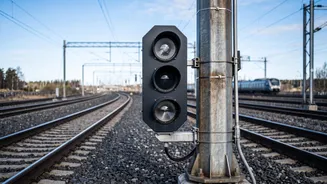
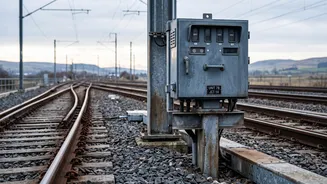
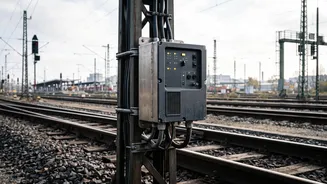
High-speed rail networks are built on layers of safety technology. Primary systems like Europe's ERTMS or Japan's Shinkansen technology use continuous, automated communication to control train speed and separation, effectively creating a digital safety bubble. But what happens when they fail? That’s where backup, or 'degraded mode', systems come in. These are typically simpler, relying on track-side signals and requiring more driver intervention, like Spain's ASFA system. The recent crash is a stark reminder that a backup system is only as good as the protocols governing its use. The failure wasn't just in the technology, but in the transition from an automated primary system to a human-supervised backup. Power backups, like Uninterruptible Power Supply (UPS) systems, are also critical to ensure signalling and control centres remain operational during any outage.
India's Bullet Train and Its Safety Promise
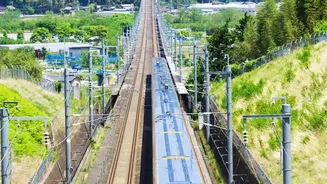
India’s Mumbai-Ahmedabad High-Speed Rail (MAHSR) corridor is one of the nation's most prestigious infrastructure projects. With physical progress hitting over 62% by late 2026, the first trial runs are anticipated for 2027. The project is heavily reliant on Japan's famed Shinkansen technology, which has a remarkable safety record with no fatal accidents in over 50 years of operation. This system includes an advanced Automatic Train Control (ATC) that eliminates the need for track-side signals and can halt trains automatically if needed. In addition to the Japanese system, India is also developing its own indigenous bullet train, the B28, which is currently undergoing structural safety tests.
A Fortress of Technology
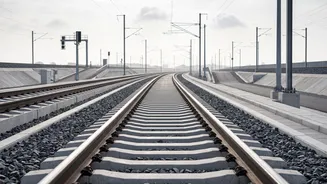
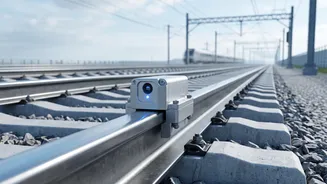
The safety features planned for the MAHSR corridor are extensive. The project will incorporate an Early Earthquake Detection System, using 28 seismometers to automatically shut down power and apply brakes in the event of tremors. It will also feature automated systems to monitor rainfall and wind speed, adjusting train operations accordingly to prevent mishaps in adverse weather. The track technology itself is a major safety component. Special 'swing_nose crossings' create a continuous, gap_free rail surface when trains switch tracks, which is essential for stability at 320 km/h. This multi_layered approach, borrowed from the Shinkansen model, is designed to mitigate risks from environmental factors, equipment failure, and human error.
Lessons for a Nation on the Move
The tragedy in Spain serves as a critical and timely lesson. While India is adopting a world_class primary safety system, the Spanish incident highlights the 'what if' scenarios. Experts argue that the focus cannot solely be on the primary system's perfection but must also extend to the robustness and regular testing of backup protocols. It reinforces the need for rigorous training and clear procedures for control centre staff and drivers for when the system operates in 'degraded mode'. The Indian railway network has historically been challenged by accidents, with derailments being a major concern. As India makes the leap to high_speed rail, integrating lessons from international incidents is not just prudent—it's essential for ensuring public trust and passenger safety on a system that represents the future of Indian travel.