




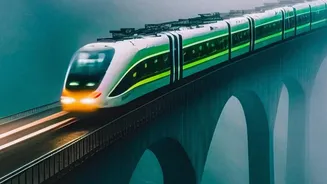


The Heritage Railway's Modern Dilemma
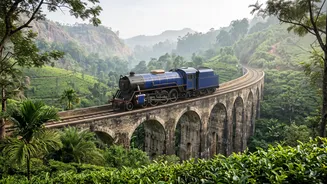
Heritage railways are more than just tourist attractions; they are living museums, preserving the sights, sounds, and smells of a bygone era. For many, the quintessential experience involves a majestic steam locomotive, billowing clouds of smoke and steam.
However, the coal and diesel that power these historic engines come with modern-day consequences: carbon emissions, air pollutants, and operational costs. This creates a conflict for the organisations that run them, who are often custodians of the very countryside their trains travel through. They face the challenge of honouring railway history while embracing a sustainable future and meeting ambitious net-zero emission targets. The question is how to evolve without losing the very soul of the heritage experience.
How Hydrogen Power Works
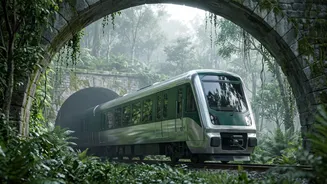
Instead of burning fuel, a hydrogen locomotive operates more like a mobile power plant. It uses a device called a fuel cell, which takes hydrogen stored in high-pressure tanks on the train and combines it with oxygen drawn from the air. This electrochemical reaction generates electricity, and the only byproduct is pure water. The electricity produced then powers the train's motors, often with the help of onboard batteries that store excess energy for when a boost is needed, like during acceleration. This process is far more efficient than a traditional combustion engine and completely avoids the harmful emissions associated with burning fossil fuels.
A Breath of Fresh Air for Scenic Routes
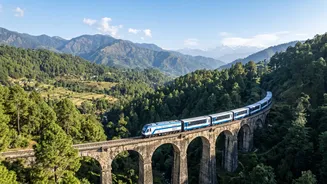
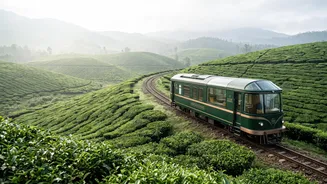
The most significant advantage of hydrogen power is its environmental credential: zero emissions at the point of use. For heritage lines that wind through national parks, protected landscapes, and quiet villages, this is a game-changer. There is no soot to blacken historic station buildings and no harmful gases affecting local air quality. This allows railways to offer an experience that is truly in harmony with the natural beauty of their surroundings. Furthermore, as tourism becomes increasingly eco-conscious, offering a 'green' travel option can be a major draw, attracting a new generation of visitors who value sustainability as much as they do nostalgia. This technology helps ensure these beloved lines can operate responsibly for decades to come.
The Surprising Sound of Silence
While the headline claims hydrogen offers 'silent' travel, the reality is a little more nuanced, yet still revolutionary. The loud chugging of a steam engine or the deep rumble of a diesel motor is replaced by the much quieter hum of the fuel cell and electric motors. One driver of a converted diesel shunter noted that when you open the power handle, the train simply starts moving with no increase in engine sound. While you still hear the clickety-clack of wheels on the track, the absence of engine noise creates a profoundly different passenger experience. It allows for quiet conversation and an uninterrupted appreciation of the passing scenery, making the journey itself more peaceful and immersive. For lines running through residential areas, this reduction in noise pollution is another major community benefit.
Pioneering Projects on Historic Tracks
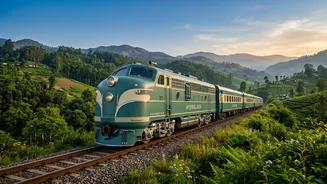
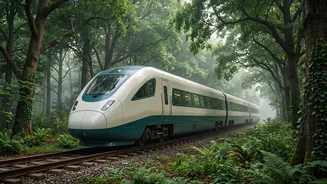
This technology isn't just theoretical; it's already being put into practice. In the UK, the Severn Valley Railway has made headlines by successfully converting a 1950s-era Class 08 diesel shunting locomotive to run on hydrogen power. The project, dubbed the 'HydroShunter', involved replacing the old diesel engine with a modern hydrogen fuel cell system, a joint effort between the railway and technology partners. This practical application demonstrates that it's possible to retrofit existing, even historic, rolling stock with zero-emission technology. The success of projects like the HydroFLEX, the UK's first full-scale hydrogen train, and initiatives in Germany and elsewhere, provides a clear roadmap for other heritage lines looking to modernise.
Challenges on the Journey Ahead
Despite its promise, the path to a hydrogen-powered heritage fleet has its bumps. The technology is currently expensive, requiring significant upfront investment. Developing the necessary infrastructure for refuelling can also be a hurdle, particularly for smaller, volunteer-run railways. Storing hydrogen on board requires bulky, high-pressure tanks, which can be a design challenge when retrofitting older locomotives with limited space. Perhaps the most debated point is cultural: for some enthusiasts, the sound, smell, and visual drama of a steam engine are non-negotiable parts of the experience. While hydrogen offers a clean future, it also represents a departure from the sensory experience many have come to love.