




From Sustenance to Storytelling
For generations, the primary role of a restaurant was to provide a satisfying meal. But a significant shift is underway in the culinary world. Diners are no longer just hungry for food; they are hungry for connection, experience, and meaning. In response,
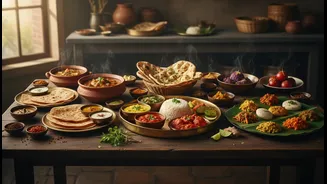
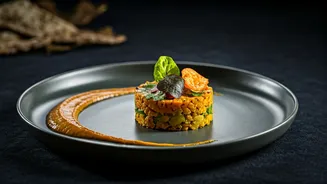
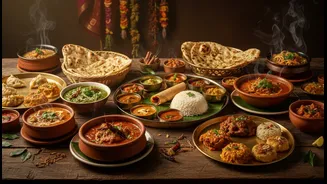
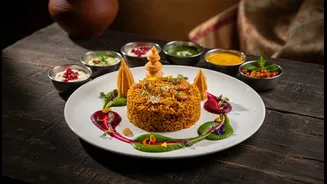
chefs are becoming modern-day storytellers, or 'cultural cartographers,' using plates as their canvas and ingredients as their vocabulary. This movement goes far beyond simply serving 'authentic' food. It's about consciously curating an experience that communicates a narrative. Whether it's reviving a forgotten recipe from a remote village or deconstructing a classic dish to reflect a personal journey, food is becoming a powerful medium for cultural expression. This trend reflects a deeper understanding that food is never just sustenance; it is memory, identity, and the very soul of a nation.
The Chef as Cultural Custodian
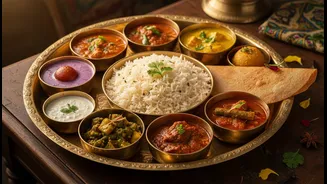
Across India, several chefs are championing this movement to preserve the country's vast culinary heritage. Figures like Manish Mehrotra of Indian Accent are celebrated for their 'inventive Indian' style, which reimagines traditional recipes while preserving their cultural essence. His approach shows how a culinary tradition can evolve without losing its roots. Similarly, chefs like Prateek Sadhu, formerly of Masque and now at Naar, focus on telling the story of a specific region—in his case, the Himalayas—by using local, seasonal ingredients to craft dishes that narrate the story of his roots. Others, like the late Jiggs Kalra, dedicated their lives to resurrecting dishes that had nearly vanished, documenting recipes that would otherwise be lost. These culinary custodians are ensuring that ancestral recipes and indigenous ingredients are not lost to time, making them accessible to a new generation of diners.
The Fine Line Between Tradition and Innovation
This new wave of culinary creativity inevitably raises questions about authenticity. How can a dish be both innovative and traditional? The answer, many of these chefs believe, is that tradition is not a static museum piece but a living, breathing entity. Modern Indian cuisine doesn't seek to abandon tradition but to build upon it, enhancing classic flavour profiles with new techniques and global influences. The goal is not to replicate the exact food one's grandmother made—an experience that can never be truly duplicated—but to evoke the emotions and memories behind that food. A dish can be presented differently or use a modern cooking method, but if it retains the foundational spices and flavour profile, it is still authentically rooted in its heritage. This approach allows chefs to honour the past while creating something new and exciting for contemporary palates.
An Immersive Cultural Experience
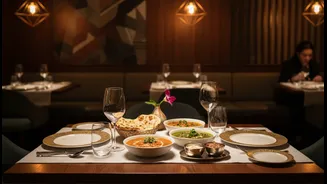
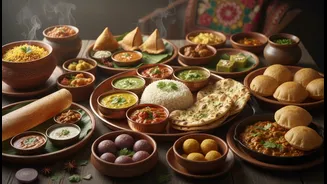
The storytelling doesn't stop at the food. Many restaurants are creating entire ecosystems designed to immerse diners in a specific cultural narrative. The decor, for instance, might be based on the architectural style of a rural Punjabi haveli or a restored 19th-century haveli in Old Delhi. The menu itself can be a narrative tool, guiding diners through the history of a region or a chef's personal journey. At Chatti in New York, for example, chef Regi Mathew offers a love letter to Kerala, with each course feeling like another chapter in the story of the state and its people. This holistic approach, where the setting, service, and food all work in concert, transforms a simple dinner into a memorable cultural journey, fostering a deeper understanding and appreciation of the heritage behind the meal.