






A Culture of Generous Hospitality
In Qatar, food is much more than sustenance; it is a symbol of generosity and a cornerstone of social life. Hospitality, or 'Hafawa', is a deeply ingrained cultural value, and being invited to a Qatari home for a meal is considered a great honour. Hosts
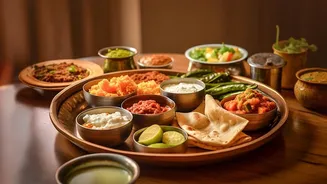
traditionally prepare food in vast quantities to ensure every guest feels welcomed and cherished. This communal spirit is often expressed through large platters of food, designed for sharing, which reinforces a sense of unity and togetherness. Whether it’s a family gathering or a national celebration, food lies at the heart of the occasion, connecting people to their heritage and to each other.
The National Dish: Machboos
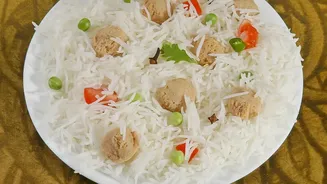
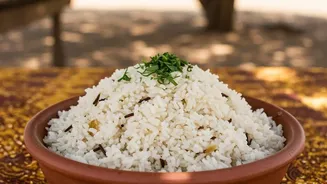
No culinary tour of Qatar is complete without tasting Machboos, widely considered the country's national dish. This fragrant and flavourful rice dish is slow-cooked with meat—typically chicken or lamb, but also fish and even camel—and an aromatic blend of spices. Key ingredients like dried lime (loomi), cardamom, cinnamon, and saffron give Machboos its distinctive smoky and complex taste. Often compared to biryani, it is served on a large platter, perfect for sharing, and embodies the spirit of Qatari generosity. Its origins trace back centuries to the region's history as a spice trading hub.
Hearty and Comforting Stews
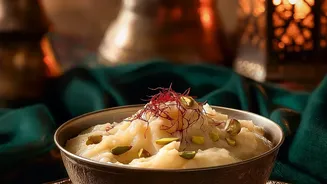
Qatari cuisine features several hearty, slow-cooked dishes that are the epitome of comfort food. Saloona is a classic, versatile stew often made at home, featuring meat and seasonal vegetables simmered in a spiced tomato-based broth. Another staple, particularly during Ramadan, is Harees, a porridge-like dish made from ground wheat and meat, cooked for hours until it reaches a smooth, creamy consistency. Similarly, Madrouba is a savoury rice porridge cooked with milk, butter, and chicken, mashed together to create a unique, satisfying texture. Finally, Thareed, sometimes called 'Arab lasagna,' consists of layers of thin bread soaked in a rich meat and vegetable stew.
Sweet Endings: Luqaimat and More
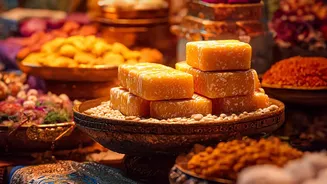
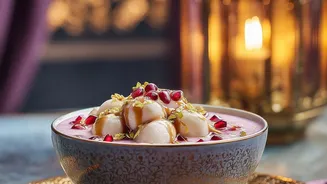
Desserts hold a special place in Qatari food culture, often served as a symbol of hospitality. The most beloved of these are Luqaimat, which means 'bite-sized' in Arabic. These small, deep-fried dough balls are crispy on the outside, soft and airy on the inside, and generously drizzled with date syrup or honey. Another unique treat is Balaleet, a surprising breakfast dish that combines sweet, saffron-spiced vermicelli noodles with a savoury omelette on top. Other popular sweets you may encounter include Kunafa, a cheese pastry soaked in sweet syrup, and Umm Ali, a rich bread pudding with nuts and cream.
From Souqs to Fine Dining
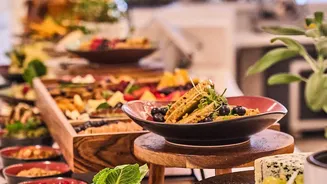
Experiencing authentic Qatari food is an adventure in itself. For a truly traditional atmosphere, head to Souq Waqif in Doha. This bustling marketplace is filled with alleys where you can find everything from women cooking paper-thin Regag bread on griddles to restaurants serving classic dishes. Cultural hubs like Katara Cultural Village and Msheireb Downtown Doha also offer a fantastic range of local dining experiences. For a modern twist, many high-end restaurants and hotels are now reinterpreting traditional recipes, with some even earning Michelin stars for their innovative approach to Qatari cuisine. No matter where you eat, you will also find Karak, a sweet, spiced milk tea, and Gahwa, traditional cardamom-infused Arabic coffee, to complete your meal.