






The Predictable World of Indoor Workouts
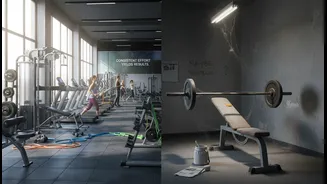
When you exercise indoors, you are in a bubble. The temperature is regulated by a thermostat, the air is still, and there is no sun beating down on you. This creates a relatively stable environment for your body. While you still sweat and need to drink
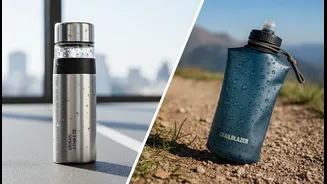
water, the rate at which you lose fluids is generally more consistent and predictable. You might have a go-to water bottle that you sip from throughout your session, and that’s often enough. This baseline is easy to manage, but it does not prepare you for the variables that await outside.
Why Outdoor Exercise Is Different
Once you step outside, your body has to contend with a new set of challenges that significantly increase your fluid requirements. The primary factors are heat, humidity, sun, and wind. Intense exercise at temperatures above 26-27°C, especially with humidity over 40%, can cause your core body temperature to rise rapidly. Your body’s main cooling mechanism is sweating, but in humid conditions, sweat doesn't evaporate efficiently from your skin, making it harder for your body to cool down. This means you sweat more in an attempt to regulate your temperature, leading to greater fluid loss.
The Sneaky Effects of Sun and Wind
Direct sun exposure acts like an external heater, increasing your skin and core body temperature, which further drives up your sweat rate. It’s not just about feeling hot; your body is working harder and losing more fluid just to stay cool. Wind can be deceptive. A breeze might feel cooling, but it also accelerates the evaporation of sweat from your skin. While this helps you feel more comfortable, it can mask how much fluid you're actually losing, potentially leading to dehydration without you realising it. Even on a cool, windy day, your hydration needs are higher outdoors than they would be inside.
Your New Hydration Game Plan
Adjusting your hydration strategy is crucial for safe and effective outdoor workouts. Don't wait until you're thirsty; by then, you're already dehydrated. A proactive approach is key. Start hydrating two to three hours before you head out by drinking around 500-600 ml of water. During your workout, a good rule of thumb is to drink 200-300 ml every 15 to 20 minutes. For sessions lasting longer than an hour, plain water might not be enough. Heavy sweating depletes not only water but also essential electrolytes like sodium and potassium, which are vital for muscle function and fluid balance. In these cases, a sports drink or an electrolyte supplement can help replenish what you've lost.
Listen to Your Body and Check for Signs
Your hydration needs are unique. Factors like workout intensity, body weight, and personal sweat rate all play a role. One of the simplest ways to monitor your hydration is by checking your urine colour. A pale, lemonade-like colour indicates good hydration, while dark yellow or amber means you need to drink more. Also, be aware of the early signs of dehydration, which can include fatigue, dizziness, muscle cramps, headaches, and a dry mouth. If you experience any of these symptoms, it’s a signal to stop, rest in a cool place, and rehydrate immediately.