

North India: Paneer Bhurji
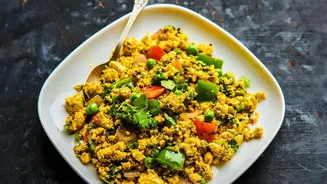
A classic North Indian breakfast, Paneer Bhurji is a quick and savoury scramble that is incredibly rich in protein. Paneer, or Indian cottage cheese, is a fantastic source of slow-digesting casein protein, which helps keep you feeling full and supports
muscle repair. To prepare it, simply heat a little oil or ghee, and sauté chopped onions, tomatoes, and green chillies. Add spices like turmeric and cumin, then fold in crumbled paneer and cook for just a few minutes until heated through. Garnish with fresh coriander and serve hot with whole-wheat toast or roti for a complete, satisfying meal that can be ready in under 20 minutes.
South India: Pesarattu
Hailing from Andhra Pradesh, Pesarattu is a type of dosa or crepe made not from rice, but from whole green gram (moong dal). This makes it a nutritional powerhouse, packed with plant-based protein and dietary fibre. Unlike a traditional dosa, the batter for Pesarattu doesn't require fermentation; you just need to soak the green gram for a few hours before grinding it with ginger, green chillies, and cumin seeds. The batter is then spread on a hot griddle like a dosa. It is often served topped with finely chopped raw onions and can be paired with a ginger chutney for a wholesome breakfast. Each pesarattu can contain around 6-7 grams of protein.
East India: Sattu Paratha
A staple in states like Bihar, Jharkhand, and Uttar Pradesh, Sattu Paratha is a rustic and deeply nourishing flatbread. The star ingredient is sattu, a flour made from roasted Bengal gram, which is an excellent source of plant-based protein and fibre. The filling is prepared by mixing sattu with water, chopped onion, green chillies, ginger, lemon juice, and traditional Indian pickles (achar) for a tangy flavour. This savoury mixture is then stuffed into whole-wheat dough and rolled out into a paratha. Cooked on a tawa with a touch of ghee or oil, one Sattu Paratha can provide between 8-10 grams of protein. It is often enjoyed with a side of plain curd, which further boosts the protein content.
West India: Methi Thepla
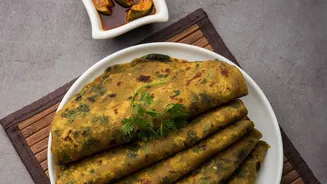
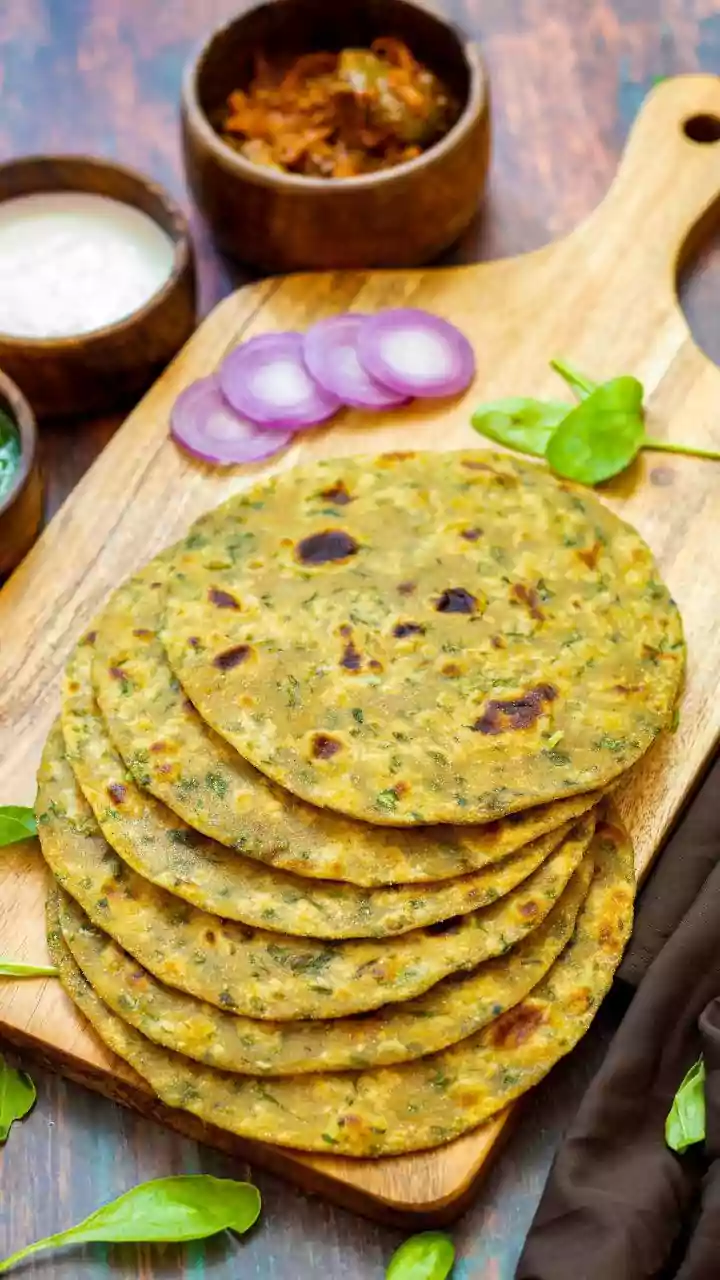
This popular Gujarati flatbread is a perfect on-the-go breakfast that cleverly incorporates greens and protein. Thepla is made from whole wheat flour, fresh fenugreek leaves (methi), and spices. Often, chickpea flour (besan) is added to the dough, which increases the protein content significantly. The fenugreek leaves themselves contribute not only flavour but also fibre. Each thepla can offer around 4-8 grams of protein, depending on its size and the amount of besan used. These are typically cooked on a skillet and are delicious when served with plain yoghurt or pickles, making for a balanced and convenient morning meal.
Pan-Indian Favourite: Masala Omelette
While eggs are a universal breakfast food, the Indian Masala Omelette gives it a flavourful and nutritious twist. It remains one of the quickest and most effective ways to get a substantial protein hit in the morning. A typical two-egg omelette provides a good amount of high-quality protein. The Indian version involves whisking eggs with finely chopped onions, tomatoes, green chillies, and a pinch of turmeric and red chilli powder. Cooking this in a pan until golden gives you a fluffy, spicy, and filling breakfast. To make it even more substantial, serve it with a slice of whole-wheat toast or wrap it in a hot chapati.