




The New Generation of Rail Commuters
India is witnessing a significant surge in youth travel. This demographic, comprising students and young professionals, is more mobile than ever. They travel for education, new job opportunities, and increasingly, for leisure and exploration. Unlike previous
generations, their travel habits are shaped by a digital-first mindset and a desire for convenience, safety, and experiences. Reports suggest that Gen Z and millennials are prioritising travel in their budgets, often preferring multiple short trips over one long holiday. They expect seamless connectivity, both in terms of transport links and internet access, and value clean, safe, and engaging environments. This shift in passenger expectations is placing new demands on India's transport infrastructure, particularly its century-old railway network.
A National Mission for Modernisation
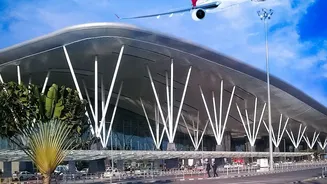
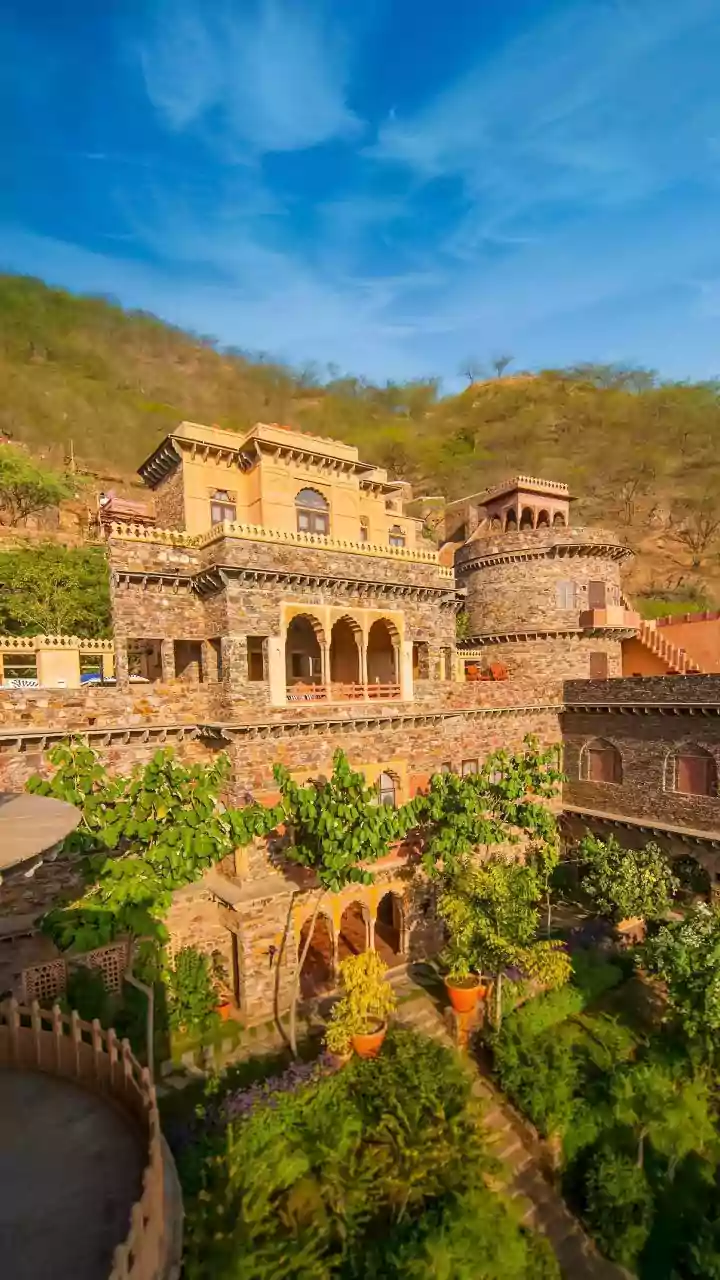
In response, Indian Railways has launched one of its most ambitious infrastructure projects to date: the Amrit Bharat Station Scheme. This initiative aims to redevelop over 1,300 stations across the country, transforming them from mere transit points into modern, integrated hubs often described as 'city centres'. The scheme adopts a long-term, phased approach, with master plans tailored to the specific needs and cultural context of each location. The designs of redeveloped station buildings are often inspired by local heritage and architecture, such as the Modhera Sun Temple influencing Ahmedabad station's design or Chola architecture featuring in Kumbakonam station. This massive undertaking is not just about a fresh coat of paint; it's a fundamental reimagining of the role a railway station plays in a modern city and for a modern traveller.
Digital Upgrades for the Always-On Traveller
A core focus of these upgrades is catering to the digital needs of young travellers. A key feature is the provision of free, reliable Wi-Fi, allowing students and professionals to stay connected, work on the go, or simply stay entertained during waits. This is complemented by an abundance of charging points for laptops and mobile phones. Outdated, confusing signage is being replaced with modern, digital passenger information systems, providing real-time updates on train schedules and platform changes. Some stations are even integrating smart technologies like IoT sensors to manage commuter flow and AI to monitor structural health, ensuring efficiency and safety. For a generation that navigates life through a screen, these digital amenities are not luxuries but essential components of a smooth travel experience.
Enhanced Safety, Comfort, and Accessibility
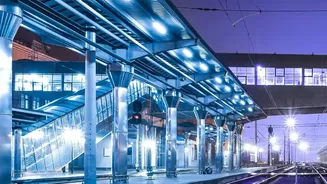
Safety and comfort are paramount concerns for all travellers, and particularly for young people who may be travelling alone for the first time. The redevelopment projects address this head-on with improved lighting, comprehensive CCTV surveillance, and better-defined passenger flow management. Accessibility is another key pillar, with the installation of new lifts, escalators, and ramps to make navigating the stations easier for everyone, including those with disabilities. Waiting areas are being significantly upgraded from basic benches to comfortable, clean, and sometimes air-conditioned lounges. Some larger stations now feature 'Executive Lounges' and even designated spaces for business meetings, catering to the needs of young professionals.
More Than a Station: A Destination for Food and Retail
The modernised stations are also becoming destinations in their own right. Recognising that food quality has long been a concern for rail passengers, the new model includes spacious food courts featuring trusted and reputed food chains, offering hygienic and varied options. This move provides reliable and familiar choices, a significant upgrade from the limited options of the past. Furthermore, the 'One Station One Product' scheme provides kiosks for local artisans and products, integrating the station with the local economy. Retail zones, kids' play areas, and improved landscaping are turning stations into more pleasant and engaging public spaces, encouraging travellers to see the journey as part of the experience, not just a means to an end.