


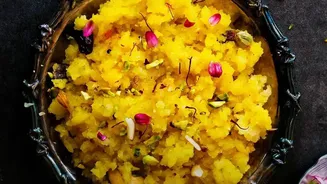
A Festival Reimagined
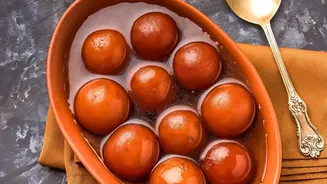
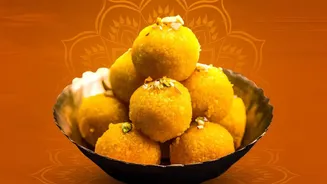
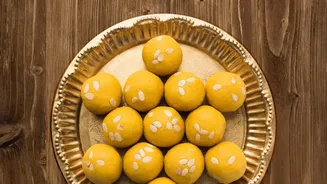
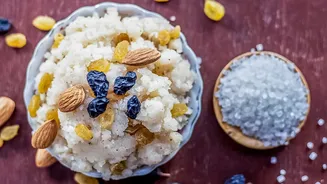
Janmashtami, celebrating the birth of Lord Krishna, is a festival steeped in devotion, music, and, of course, food. Prasad and festive meals are central to the celebrations, with sweets like Panjiri, Kheer, and various laddoos taking centre stage. Traditionally,
these delicacies are rich in ghee and refined sugar. However, a cultural shift is underway. Driven by a desire for wellness without sacrificing tradition, many are now seeking healthier ways to indulge. This has paved the way for a new generation of culinary enthusiasts and small-scale entrepreneurs who are giving these age-old recipes a modern, health-conscious makeover.
The Rise of Youth-Led Food Initiatives
Across India, a vibrant movement of young chefs, home bakers, and health advocates is using social media and community networks to offer healthier festive options. These informal 'collectives' are not just businesses; they are passion projects dedicated to proving that traditional Indian sweets can be both delicious and nutritious. They tap into a growing market of consumers who are actively looking to reduce their sugar intake. This trend is part of a larger conversation about health and nutrition being led by youth-focused organisations and initiatives aimed at improving food literacy and combating lifestyle diseases from an early age.
The New Sweet Pantry
The secret to these healthy makeovers lies in the pantry. Refined white sugar is being replaced by a variety of natural sweeteners that offer more than just sweetness. Jaggery (gur) is a popular choice, providing a deep, caramel-like flavour along with trace minerals like iron. Pastes made from dates and figs are used to bind laddoos and barfis, lending their natural sweetness and fibre. For those seeking zero-calorie options, plant-based sweeteners like stevia and monk fruit are being incorporated into milk-based sweets like kheer and shrikhand. Coconut sugar, with its lower glycemic index, is another favourite for its subtle flavour in everything from halwa to cookies.
Rethinking a Classic: The Panjiri Project
Panjiri, a quintessential Janmashtami prasad, is a prime example of this healthy evolution. The traditional recipe involves roasting whole wheat flour in generous amounts of ghee and mixing it with sugar and nuts. The updated version focuses on maximising nutrition. Health-conscious makers often dry roast the flour to reduce the ghee content or use alternative flours like ragi (finger millet). Instead of sugar, they use powdered jaggery or finely chopped dates for sweetness. The quantity and variety of nuts and seeds—like almonds, walnuts, flaxseeds, and melon seeds—are often increased, transforming the sweet into a nutrient-dense 'energy bite'.
More Twists on Traditional Favourites
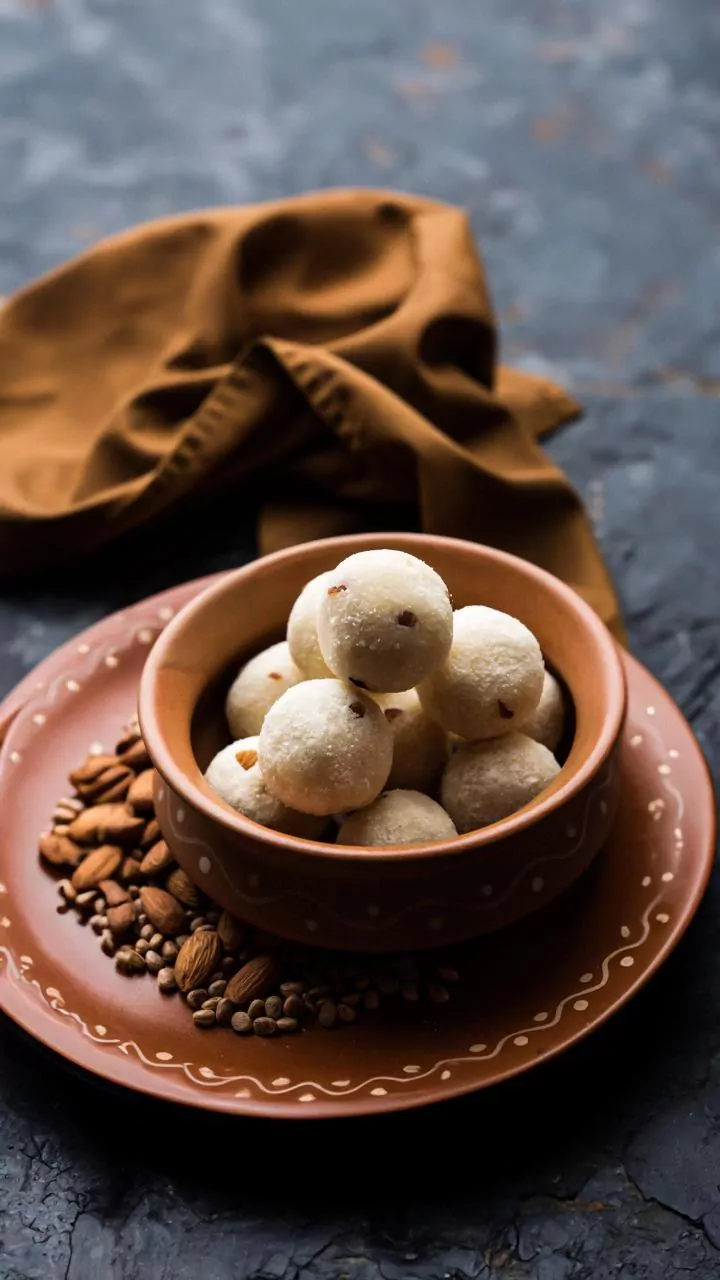
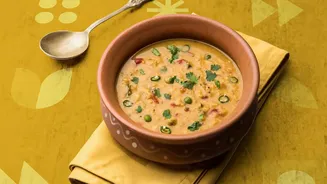
The innovation doesn't stop with Panjiri. Coconut laddoos are being made with fresh grated coconut and a touch of jaggery syrup instead of condensed milk and sugar. Makhana (fox nut) kheer is becoming a festive staple, where roasted makhana is simmered in low-fat milk and sweetened with stevia or a small amount of honey. Even fruit-based sweets are getting a healthy twist, with natural fruit purees and spices like cardamom and cinnamon enhancing flavour without the need for added sugar. The focus is on whole ingredients, mindful cooking techniques like baking instead of frying, and letting the natural flavours shine.