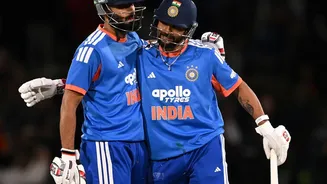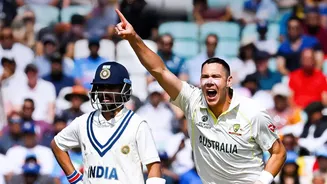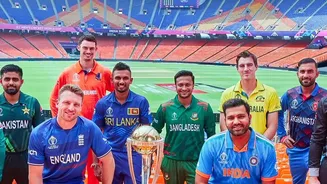

The battle for a ticket is proving as fierce as the on-field contest. With nearly 8.4 million requests logged for a 34,000-seat stadium, the India-Pakistan 2027 World Cup match isn't just sport—it's a global phenomenon of scarcity and passion.
An Unprecedented Demand
The numbers
are staggering and almost defy belief. According to the International Cricket Council (ICC), the ongoing ticket ballot for the 2027 Cricket World Cup has seen 8,397,294 requests for the group stage match between India and Pakistan. This monumental figure is for a game scheduled at The Wanderers Stadium in Johannesburg, a venue with a capacity of just 34,000. This translates to roughly 247 fans vying for every single seat, making it one of the most oversubscribed sporting events in history. To put this in perspective, the demand for this one group stage match has already surpassed the total population of many countries. The World Cup final, also to be held at the same venue, is the second most sought-after fixture with nearly 7.9 million requests, underscoring the tournament's immense appeal but also highlighting the unique frenzy that only an India-Pakistan clash can generate.
More Than Just a Game
For the uninitiated, this level of demand might seem excessive for a single cricket match. But the India-Pakistan rivalry is a contest steeped in a complex history of shared culture and political partition. Their meetings on the cricket field have become a proxy for national pride, carrying the weight of decades of history. Due to political tensions, bilateral series between the two nations are rare, meaning global tournaments like the World Cup are often the only platform where this epic rivalry unfolds. This scarcity has elevated each encounter into a can't-miss spectacle. Iconic moments from past World Cup matches are etched into the collective memory of fans on both sides of the border, and each new fixture is an opportunity to write another chapter in this historic saga. The match in Johannesburg on October 10, 2027, will be another one of those moments, reigniting a passion that transcends the boundaries of sport.
The Anatomy of a Ticketing Crisis
With demand outstripping supply by such a colossal margin, the ICC and local organizers face a monumental logistical challenge. The ticket ballot system, which runs until November 21, 2026, is designed to be the fairest method of distribution, giving everyone a chance regardless of when they apply. However, it also means that over 8.3 million applicants for this match will be left disappointed. This immense scarcity inevitably fuels a secondary market where ticket prices can skyrocket to astronomical levels, far beyond the official prices which range from approximately $10 to $32. For the host city of Johannesburg, the influx of fans—both with and without tickets—will test its infrastructure, from accommodation and transport to security, as the city becomes the epicentre of the cricketing world.
A Global Spectacle, A Local Passion
The 2027 World Cup marks the tournament's return to Africa after 24 years, with South Africa, Zimbabwe, and Namibia sharing hosting duties. The overall response has been phenomenal, with the ICC receiving over 120 million ticket requests from fans in 193 countries, confirming cricket's global appeal. While the lucky 34,000 who secure a seat for the India-Pakistan match will experience the electric atmosphere of 'The Bullring' firsthand, millions more will participate in a massive communal viewing experience. Across India, Pakistan, and the global diaspora, the match will be an event in itself, with families and friends gathering in homes, clubs, and public fan parks. This collective passion is what defines the rivalry, proving that you don't need a ticket to be part of the spectacle.