




Start with Dry Ingredients
The first secret to achieving a crispy exterior is managing moisture. Deep frying works by rapidly evaporating surface moisture, creating a crunchy shell. To replicate this, your ingredients must be as dry as possible before they enter the air fryer.
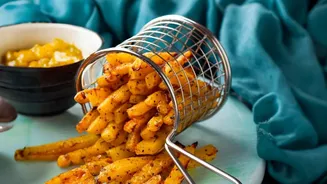
For snacks like kurkuri bhindi or potato wedges, pat them thoroughly dry with a kitchen towel after washing. Removing excess water is crucial because steam is the enemy of crispiness. For items with a coating, like pakoras or breaded cutlets, this principle still applies. A slightly thicker batter that clings to the ingredients, rather than a thin, drippy one, will yield better results as it has less water to evaporate.
Use a Little Oil, but the Right Way
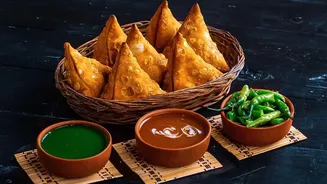
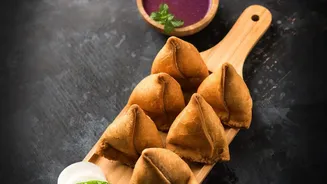
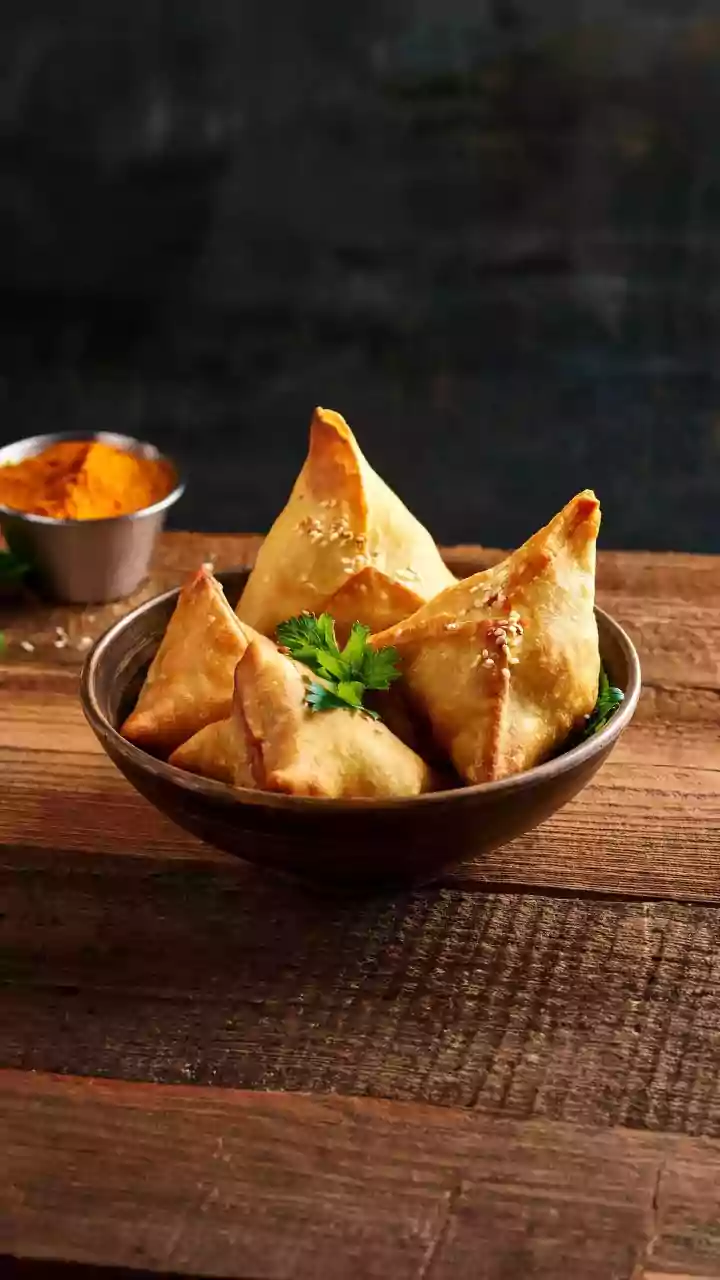
While air frying is a low-oil method, it is not a no-oil method if you want a true crunch. A small amount of oil is essential for browning and crisping. The key is to apply a thin, even layer. You can do this by tossing your ingredients in a teaspoon or two of oil before placing them in the basket or by using an oil mister or pastry brush. This light coating helps the hot air conduct heat more efficiently, mimicking the effect of deep frying. For snacks like samosas, brushing the pastry with a bit of oil ensures a golden, flaky finish. When making pakoras, adding a small amount of oil directly into the thicker batter can also help.
Choose Your Oil Wisely
The type of oil you use matters. Air fryers operate at high temperatures, often between 180°C to 200°C, so you need an oil with a high smoke point. Oils like avocado, peanut, canola, and grapeseed are excellent choices as they won't burn and create a bitter taste at high heat. While many Indian households use mustard oil or ghee for traditional cooking, their lower smoke points might not be ideal for all air fryer applications. Refined or 'light' olive oil can work, but extra virgin olive oil has a low smoke point and is best avoided for high-temperature air frying.
Preheat and Don't Crowd the Basket
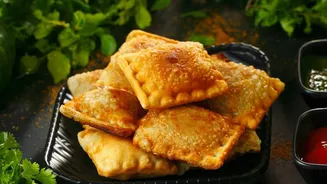
Think of your air fryer as a tiny, powerful oven. Preheating it for a few minutes before adding your food is a critical step. A hot start helps the food begin to crisp immediately. Just as important is giving your food space. Overcrowding the basket traps steam, which makes snacks soggy instead of crunchy. Always arrange food in a single, even layer, leaving room for the hot air to circulate around each piece. For a large batch of pakoras or samosas, it is far better to cook them in two or three smaller batches than to cram them all in at once.
Mastering Popular Street Snacks
Applying these rules to specific snacks makes all the difference. For samosas, whether fresh or frozen, a light brush of oil and flipping them halfway through cooking is key for an even, golden crust. For pakoras, the batter must be thick enough to hold its shape. Some recipes suggest adding a little rice flour or a pinch of baking powder to the besan batter to enhance crispiness and lightness. For drier snacks like aloo tikki, making the patties slightly flatter increases the surface area exposed to the hot air, resulting in a better crunch.
Shake, Flip, and Adjust
Most air fryers have a heating element at the top. While a fan circulates air, the food closest to the top will still brown faster. To ensure an even, all-over crunch, you need to intervene. For smaller items like potato wedges or kurkuri bhindi, shaking the basket vigorously every 5-7 minutes redistributes the food. For larger items like samosas or tikkis, you should flip them over halfway through the cooking time. This ensures both sides get direct heat, preventing the dreaded pale and soft underside.