




The Great Monsoon Migration North
The annual monsoon is a cherished season for many, but for urbanites, it often translates to flooded streets, endless traffic jams, and a pervasive sense of dampness. This year, travellers are actively ditching traditional rainy-season getaways in favour
of a guaranteed sunny escape. The destination of choice? The high-altitude cold deserts of Ladakh and Spiti Valley. Tourism data from 2026 shows a significant surge in visitors to these regions during the monsoon months. This isn't just about avoiding rain; it's a deliberate choice to seek adventure, clear skies, and landscapes that are worlds away from their city lives.
Welcome to the Rain Shadow
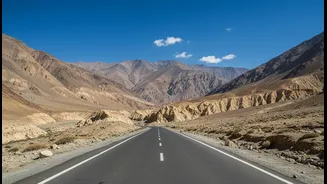
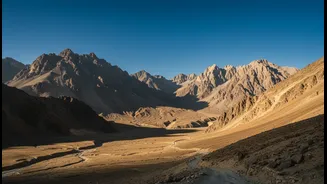
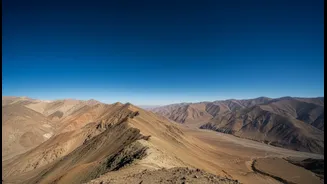
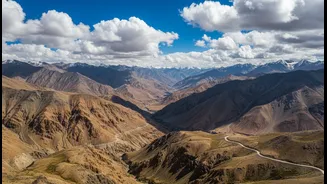
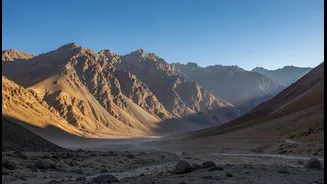
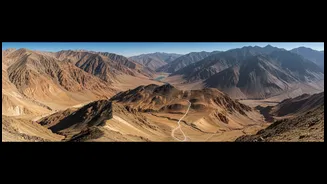
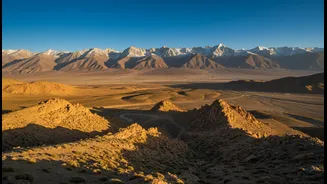
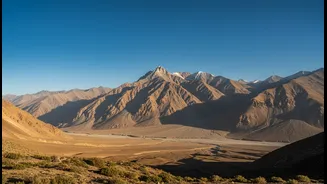
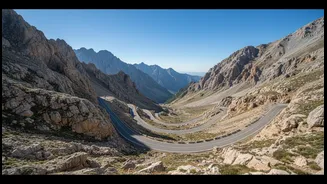
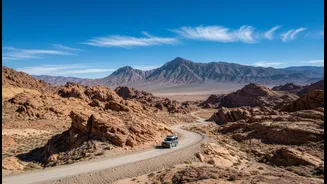
The magic of Ladakh and Spiti lies in their unique geography. Both are located in a 'rain shadow zone'. The towering Himalayan ranges to their south block most of the moisture-laden monsoon clouds, leaving these valleys remarkably dry and sunny from June to September. While the rest of the country is navigating downpours, travellers here are greeted with dramatic blue skies, minimal rainfall, and perfect weather for exploration. This geographical quirk makes them ideal monsoon escapes, offering a blend of adventure and serene beauty without the threat of being rained out.
What Awaits in Ladakh: Monasteries and Moonscapes
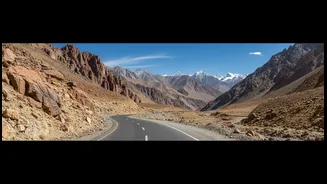
Ladakh, more accessible and with better infrastructure, is often the first choice for many. The region has seen a historic tourism boom this year, with visitor numbers surging. The allure is clear: vast, open landscapes that feel like another planet, drives across the world’s highest motorable passes, and iconic turquoise lakes like Pangong Tso. Travellers can immerse themselves in the serene atmosphere of ancient Buddhist monasteries such as Thiksey and Hemis, which dot the landscape. The capital, Leh, serves as a bustling hub, offering a mix of modern cafes and traditional culture. The administration is also actively promoting diverse experiences, from adventure and wellness to astro-tourism in the clear, unpolluted skies.
Spiti Valley: The Road Less Travelled
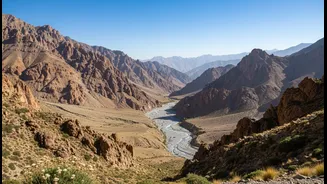
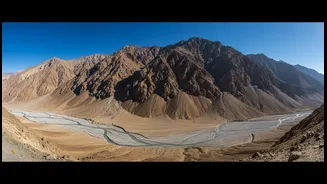
For those seeking a more rugged and offbeat adventure, Spiti Valley in Himachal Pradesh is the answer. It's a world of stark, raw beauty, ancient villages that seem frozen in time, and some of the oldest monasteries on earth, like Key and Tabo. Reaching Spiti is an adventure in itself, involving long drives on challenging roads, whether from Manali or Shimla. The reward is fewer crowds and a sense of profound solitude. In July and August, the valley floors can show a surprising hint of green against the barren mountains, and local festivals like the La Darcha Fair offer a vibrant glimpse into the local culture.
A Reality Check Before You Go
While the promise of sun and adventure is tempting, a trip to these high-altitude regions requires careful planning. The biggest challenge is Acute Mountain Sickness (AMS), caused by the thin air. It is crucial for travellers to acclimatise properly, spending at least a day or two in Leh or a similar altitude before ascending further. While the valleys themselves are dry, the road routes leading to them, particularly from Manali, can be susceptible to landslides and blockages during the monsoon. It is essential to check road status before and during travel. Furthermore, these are ecologically fragile environments. Responsible tourism—minimising plastic use, respecting local customs, and conserving water—is not just encouraged, it's essential for preserving the beauty of the region.