






The Great Monsoon Challenge
Navigating a city during the monsoon isn't just about dodging a few raindrops. It's a battle against waterlogged streets, chaotic traffic, and the ever-present humidity that promises to keep you damp long after you've reached your destination. Public
transport becomes a test of will, with crowded buses and delayed trains. Driving isn't much better, as familiar roads hide new potholes under murky water. For the millions who commute daily on two-wheelers, it's a particularly daunting task. This seasonal reality demands more than a simple umbrella; it demands a tactical upgrade in how we approach our daily travel.
Gear Up: Your Monsoon Armour
Forget fashion for a moment and focus on function. Your monsoon arsenal begins with the right outerwear. A reliable raincoat or rain suit is non-negotiable. Look for options with sealed seams and a waterproof rating of at least 5,000mm for city commutes. The fabric choice for your clothes is also critical. Synthetics and blends like polyester or quick-dry cotton are your best friends. They don't absorb much water and dry faster, unlike pure cotton which can stay stubbornly damp all day. When it comes to footwear, ditch the leather shoes and canvas sneakers. Opt for rubber sandals, floaters, or gumboots that can handle puddles and dry quickly. Many office-goers now practice the two-shoe strategy: wear rain-proof footwear for the commute and change into formal shoes kept at the office.
The Digital Defence System
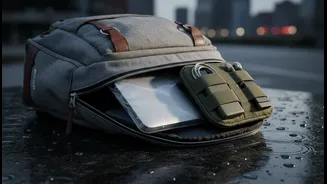
In 2026, perhaps the most precious cargo we carry is our electronics. A soaked laptop or a water-damaged phone can ruin a week, not just a day. The first line of defence is a waterproof backpack or, at the very least, a high-quality rain cover for your existing bag. For an extra layer of security, internal compartmentalisation is key. Use dry bags or even simple ziplock pouches for your laptop, phone, chargers, and wallet. This double-bagging method ensures that even if the outer bag gets damp, your essential gadgets remain safe and dry. Consider investing in a waterproof phone case for those moments you need to answer a call in the middle of a downpour.
Commuting Strategy: Plan Your Attack
Winning the wet commute is as much about planning as it is about gear. Your smartphone is your command centre. Before you leave, check reliable weather apps that offer real-time precipitation updates. Use traffic apps like Google Maps or Waze to identify waterlogged areas and find alternative routes. During the monsoon, your standard travel time can easily double, so leaving at least 20-30 minutes earlier than usual is a simple but effective tactic. If you use public transport, familiarise yourself with tracking apps for buses and trains to monitor delays. Being aware of which stations or routes are prone to flooding can help you make smarter, quicker decisions. It’s also wise to have some cash on hand, as digital payment systems can sometimes be unreliable during heavy rains.
The Post-Commute Recovery
You’ve made it. You're at the office, slightly damp but victorious. The final step in mastering the wet commute is the recovery. If you've adopted the strategy of carrying a change of clothes, now is the time to use them. Even a spare pair of dry socks can make a world of difference to your comfort for the rest of the day. Keep a small, quick-dry towel in your bag for a quick pat-down. Many have started keeping a 'monsoon kit' at their desk, complete with a spare shirt, footwear, and even a travel-sized hairdryer for emergencies. It’s the final, crucial part of adulting through the rain: ensuring the battle of the commute doesn't follow you into your workday.