



The Universe Within Us
Our digestive system is home to trillions of microorganisms, collectively known as the gut microbiome. This bustling internal ecosystem is crucial for our well-being, playing a vital role in everything from digesting food and producing essential vitamins
to regulating our immune system and even influencing our mood. A diverse and balanced microbiome is a cornerstone of good health. However, the extreme conditions of space travel—including microgravity, cosmic radiation, a sterile environment, and altered diets—can throw this delicate balance into disarray.
The Gut in Zero Gravity
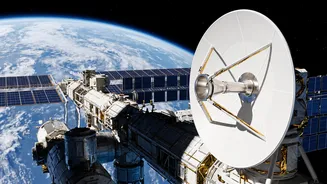
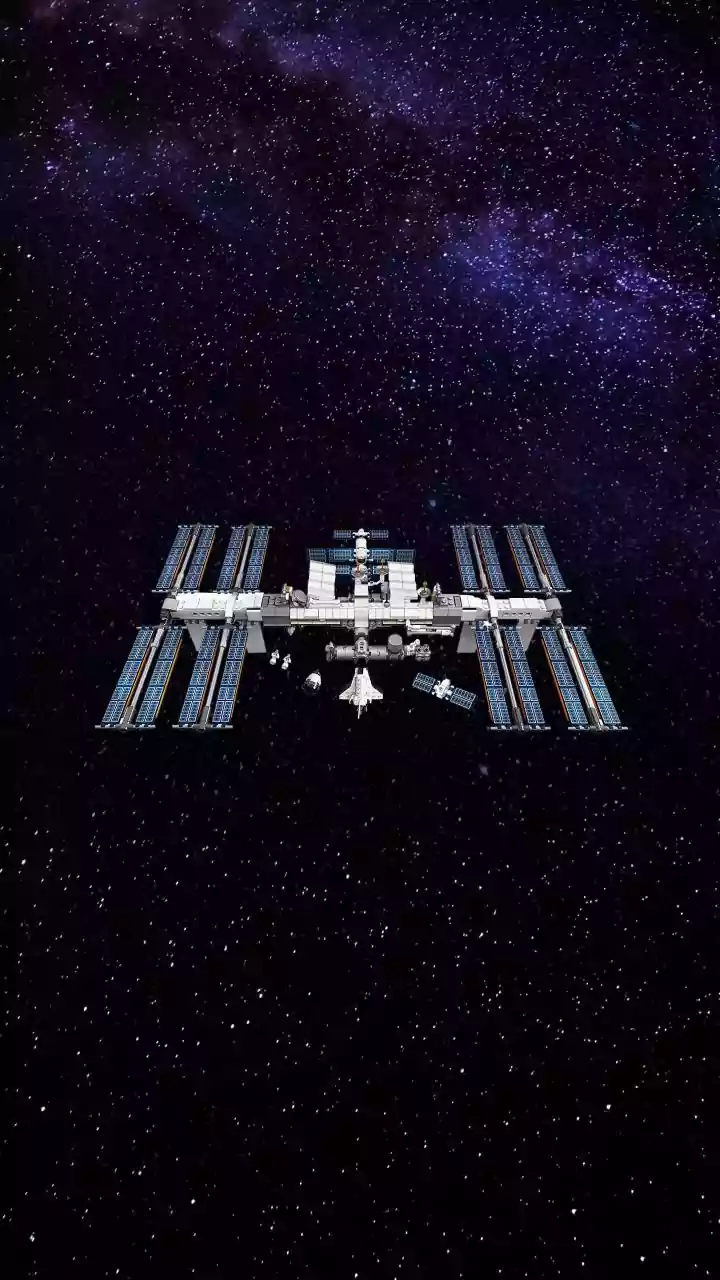
One of the most significant factors is microgravity. On Earth, gravity helps move food through our digestive tract. In space, this process slows down. Recent studies on International Space Station (ISS) astronauts found that this slower transit time gives gut bacteria more time to process food. As a result, microbes exhaust their preferred energy sources, like carbohydrates and fiber, and begin to ferment protein instead. This shift is a key reason why constipation is a common complaint among astronauts and can lead to inflammation and other gastrointestinal issues.
A Cascade of Health Concerns
The changes to the gut microbiome don't just stop at digestive discomfort. Research has linked these microbial shifts to a host of other health problems experienced by astronauts. An altered gut can contribute to a weakened immune system, making astronauts more susceptible to infections and the reactivation of latent viruses. It has also been connected to bone loss, muscle atrophy, and even metabolic issues like decreased insulin sensitivity. Furthermore, the gut-brain axis—the communication network between our digestive system and our brain—can be disrupted, potentially affecting mood, cognitive function, and sleep.
An Increasingly Similar Microbial World
Another curious phenomenon observed is that astronauts who share a spacecraft for extended periods find their gut microbiomes becoming more similar to one another's. While their overall bacterial diversity can decrease, they begin to share a common microbial signature. This is partly due to the highly controlled, sterile environment of a space station and a shared, limited diet of specially prepared, long-lasting food that lacks the fresh microbial replenishment we get on Earth. This convergence can lead to a decrease in beneficial anti-inflammatory bacteria and an increase in bacteria sometimes associated with inflammation.
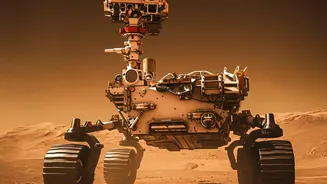
Finding Solutions for a Martian Mission
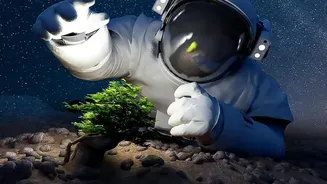
Protecting the gut health of our space explorers is critical for the success of future long-duration missions. NASA and other space agencies are actively researching countermeasures. One promising solution is dietary intervention, such as providing diets rich in fiber and slow-fermenting carbohydrates to give gut microbes a steady food source. Another key area of focus is the use of prebiotics (which feed good bacteria) and probiotics (which introduce beneficial bacteria) to help maintain a healthy microbial balance. Scientists are exploring everything from specialized food supplements to growing nutrient-rich fresh produce in space to mitigate these risks and keep our astronauts healthy on their journey to the final frontier.