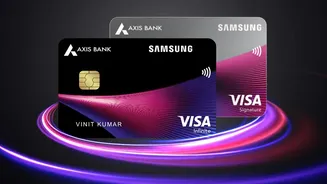







Choose the Right Card for Your Lifestyle
The first step isn't to grab the card with the flashiest sign-up bonus, but to analyse your own spending. Are you a frequent flyer? A travel co-branded card offering air miles and lounge access makes sense. Do you spend a lot on fuel, groceries, and online
shopping? A cashback card that rewards these specific categories will provide more value. The 'best' card is the one that aligns with your actual monthly expenses, not an aspirational lifestyle. Before applying, compare annual fees, interest rates, and fee waiver conditions to ensure the benefits you earn will outweigh the costs.
The Golden Rule: Pay in Full, Always
This is the most critical habit for any credit card user. Reward points are only valuable if you are not paying high interest charges that cancel them out. Credit card interest rates in India can be as high as 30-48% annually. This interest is charged on any balance you carry forward past the due date. Paying only the 'minimum amount due' is a common trap; while it prevents late fees, interest will be charged on the remaining amount, and you lose the interest-free period on new purchases. To truly maximise points, treat your credit card like a debit card — only spend what you can afford to pay off completely when the bill arrives.
Strategic Spending to Boost Your Points
Once you have the right card and the right mindset, you can focus on earning. Use your credit card for all planned monthly expenses, such as utility bills, groceries, and subscriptions, that you would be paying for anyway. This consolidates your spending onto one platform, accelerating point accumulation. Keep an eye out for accelerated reward offers, where specific categories like dining or online shopping earn you 3x or 5x the normal points. Many card issuers also have online shopping portals that offer bonus points for making purchases through their links. By directing your regular spending through these channels, you earn rewards on money you were already planning to spend.
Understanding the Debt Trap Mechanics
Debt traps are built on a misunderstanding of how credit cards work. The billing cycle is typically a 30-day period where your spends are recorded. After this, a statement is generated, and you get a grace period of about 15-25 days to pay. This interest-free period only applies if you clear the 'total amount due'. If you only pay the minimum, the remaining balance starts accumulating steep interest daily. This can quickly spiral, as interest is charged on the unpaid amount plus any new purchases, a cycle that can lead to a debt far larger than the original spending.
Build Your Credit Score Responsibly
A credit card is one of the best tools for building a strong CIBIL score, which is crucial for future loans. The two most important factors are paying your bills on time and maintaining a low credit utilisation ratio. Your utilisation ratio is the percentage of your total credit limit that you use. Keeping this ratio below 30% is ideal. For example, on a card with a ₹1,00,000 limit, you should aim to keep your outstanding balance below ₹30,000. Paying your bill in full every month automatically achieves this and demonstrates financial discipline to lenders. Avoid applying for too many cards at once, as each application can cause a small, temporary dip in your score.