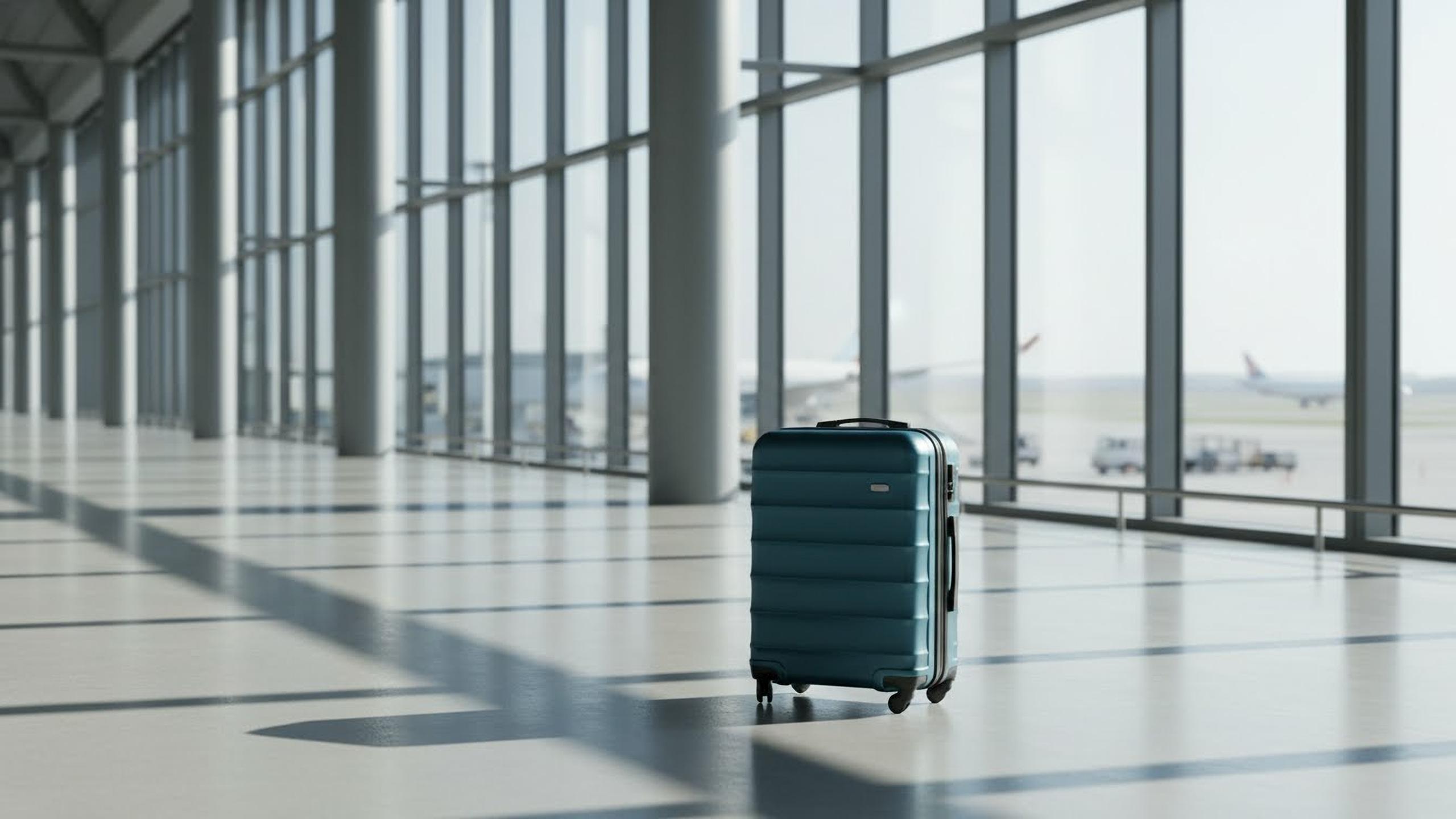







A Landmark Ruling for Travellers
In a significant decision for air passengers, a Kerala district consumer commission in July 2026 ordered an airline to pay a passenger a total of ₹53,923 in compensation and costs for a three-day baggage delay. The passenger, who was traveling from Jammu
to Coimbatore in December 2025, was forced to purchase essential clothing worth ₹8,923 because his luggage did not arrive with him. The commission found the airline guilty of a “deficiency in service” for failing to provide compensation as outlined in the Ministry of Civil Aviation's Passenger Charter, despite repeated complaints from the passenger. This ruling reinforces a crucial principle: airlines are liable not just for losing bags, but also for the direct and reasonable costs you incur when they are delayed. It highlights that consumer forums are increasingly holding airlines accountable to their service obligations.
What Are 'Essential' Costs?
The key to a successful claim is understanding what constitutes a “reasonable” and “essential” purchase. While there's no exhaustive list, the term generally covers items you need to continue your trip without significant discomfort or disruption. This includes basic toiletries, a change of clothes appropriate for your destination, essential medications, and items necessary for a specific purpose, like a formal shirt for a business meeting. Airlines will typically reimburse for these necessities. However, they routinely reject claims for luxury purchases, a full wardrobe replacement, or non-essential electronics. For domestic trips in India, reimbursement for such emergency expenses typically ranges from ₹2,000 to ₹5,000, while for international travel it can be higher. The Kerala ruling reimbursed the passenger's actual clothing cost of ₹8,923, showing that documented, reasonable expenses can be fully recovered.
Your Step-by-Step Documentation Guide
The power to claim your rightful compensation lies in meticulous documentation. If your bag doesn't appear on the carousel, your first and most critical step is to file a Property Irregularity Report (PIR) at the airline’s baggage service counter before leaving the airport. Without a PIR, an airline can reject your claim entirely. Once you have the PIR, you must keep every single original receipt for any essential items you purchase. It's a wise practice to immediately take a digital photo of each receipt, as the thermal paper they are often printed on can fade. This creates a clear, undeniable record of your expenses. Keep all communications with the airline, including emails and notes from phone calls, in a dedicated folder. This organized evidence becomes your most powerful tool in the claims process.
From Receipts to Reimbursement
After you've filed a PIR and started collecting receipts, the next step is to formally submit your claim. Most airlines have dedicated online portals for baggage claims where you can upload your documents. Be sure to submit your claim within the stipulated time frame, which is typically within 21 days for delayed baggage. Your submission should include the PIR reference number, your flight details, and clear copies of all your receipts. Itemise your expenses clearly. Under the DGCA's Passenger Charter, airlines are liable to pay up to ₹20,000 per passenger for delayed, damaged, or lost baggage on domestic flights. For international flights, the Montreal Convention applies, with liability capped at approximately 1,288 Special Drawing Rights (SDRs), which is roughly ₹1.5 lakh. Knowing these limits helps you frame your claim effectively.
When the Airline Says No
What if the airline ignores your claim or offers an unacceptably low amount? Don't give up. As the recent Kerala case demonstrated, persistence pays off. The passenger first filed a complaint on the INGRAM consumer portal before approaching the district commission. Your first step for escalation should be the DGCA’s AirSewa portal, an official platform for air travel grievances. If you still don't receive a satisfactory resolution, you can file a complaint with a District Consumer Disputes Redressal Commission. These commissions are increasingly siding with consumers when there is clear evidence of service deficiency, as seen in multiple recent rulings where airlines were ordered to pay compensation for delayed baggage, mental anguish, and litigation costs.