



Day 1: Arrival and Exploration in Mumbai
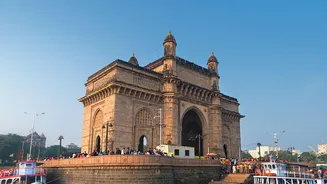
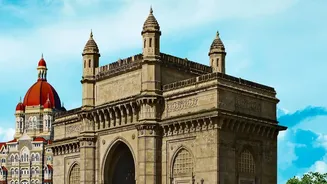
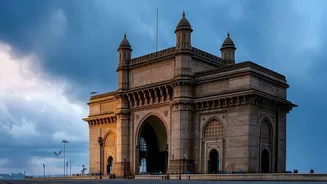
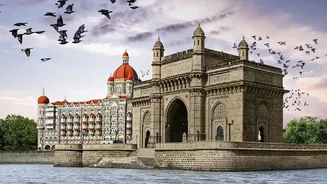
Begin your Maharashtrian adventure in the state's sprawling capital, Mumbai. After arriving and checking into your hotel, dedicate the day to exploring the historic heart of South Mumbai. Start at the iconic Gateway of India, a colossal arch monument
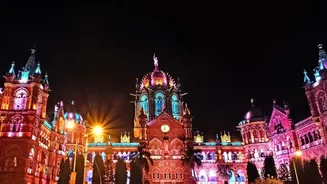
overlooking the Arabian Sea. From there, a short ferry ride can take you to the Elephanta Caves, a UNESCO World Heritage site with intricate rock-cut temples dedicated to Shiva. If you'd rather stay on the mainland, you can explore the grand architecture of the Chhatrapati Shivaji Maharaj Terminus, another UNESCO site, and the nearby art galleries of Kala Ghoda. As evening approaches, take a stroll along Marine Drive, famously known as the Queen's Necklace, and enjoy the sunset at Chowpatty Beach with some classic Mumbai street food. To maximise your time, prepare for an overnight journey to your next destination.
Day 2: Journey to the City of Gates, Aurangabad
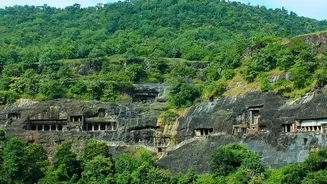
An overnight train is an efficient and classic Indian travel experience that will bring you to Aurangabad (now officially known as Chhatrapati Sambhajinagar) by morning. After settling in, spend the day exploring the city's own historical treasures. Your primary destination today is the Ellora Caves, located just 30 kilometres from the city. This remarkable UNESCO site features 34 caves carved from rock, representing Buddhist, Hindu, and Jain traditions living side-by-side. The centerpiece is Cave 16, the Kailasa Temple, a staggering monolithic structure carved from the top down. Later, you can visit the formidable Daulatabad Fort, a medieval fortress known for its ingenious defensive mechanisms, and Bibi Ka Maqbara, a beautiful mausoleum that closely resembles the Taj Mahal.
Day 3: The Painted Caves of Ajanta
Dedicate your third day to the world-renowned Ajanta Caves. The journey from Aurangabad takes approximately two to three hours, so an early start is recommended. Tucked away in a horseshoe-shaped gorge, this set of 30 rock-cut Buddhist caves is famous for its exquisite murals and sculptures, considered masterpieces of ancient Indian art. The paintings, which date back to the 2nd century BCE, depict stories from the life of Buddha and the Jataka tales. These caves were hidden from the world for centuries, only to be rediscovered by a British officer in 1819. You will need around three to four hours to fully appreciate the artistry of the main caves. Remember that the Ajanta caves are typically closed on Mondays. After a day steeped in art and history, you will return to Aurangabad for the night.
Day 4: Local Culture and Travel Back
Use the morning to experience some of Aurangabad's local flavour. You might visit the Panchakki, an intriguing 17th-century water mill that showcases the advanced engineering of the time. It is also a great opportunity to explore local markets and perhaps purchase a hand-woven Paithani saree, a regional specialty. Depending on your travel plans, you can book an afternoon or evening flight or train back to Mumbai. A flight takes just over an hour, while a train journey takes around six hours, giving you a chance to relax and reflect on your trip. This flexible day allows for a leisurely morning before you begin your journey back to the urban hub.
Day 5: Departure from Mumbai
Your final day is designed for a seamless departure. Having arrived back in Mumbai either late the previous night or in the morning, you can enjoy a final Maharashtrian breakfast. Depending on your flight schedule, you might have time for some last-minute souvenir shopping in the bustling markets of Colaba or a quick visit to a site you missed on day one. This buffer day ensures you are not rushing to the airport and can conclude your holiday on a relaxed note. The trip from South Mumbai to Chhatrapati Shivaji Maharaj International Airport can take time, so be sure to plan accordingly based on the city's notorious traffic.