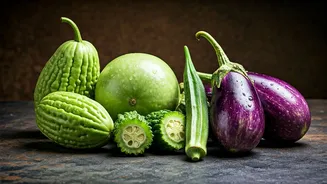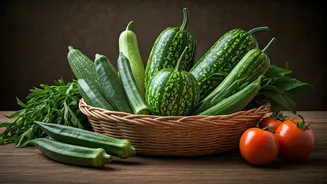






The Culinary Villains of Our Childhood
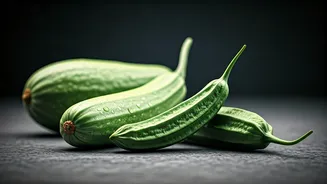
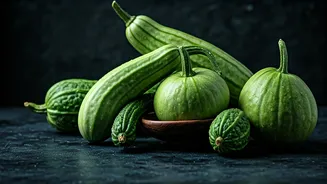
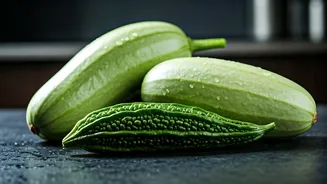
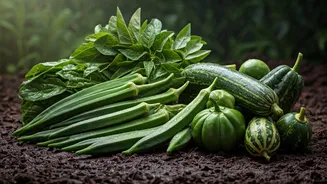
Let’s be honest. If Indian vegetables had a popularity contest, lauki (bottle gourd) and karela (bitter gourd) would likely be picked last. Lauki is often accused of being bland, watery, and mushy—a texture that brings back memories of uninspired sabzis.
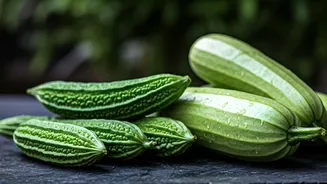
Karela, on the other hand, doesn’t hide its defining trait: a powerful, uncompromising bitterness that can overwhelm an entire meal. For generations, they have been the vegetables we were forced to eat for our own good, the culinary price we paid for a clean bill of health. But this reputation, built on years of poorly cooked meals, obscures the incredible potential hiding within these humble gourds.
The Case for Lauki: Beyond the Blandness
The main complaint against lauki is its subtlety, which is often mistaken for a lack of personality. But this is actually its greatest strength. Think of lauki not as a star, but as a brilliant supporting actor. Composed of about 96% water, it’s incredibly hydrating and exceptionally low in calories, making it a friend to anyone managing their weight. It's packed with fibre, aiding digestion and promoting a feeling of fullness. Rich in vitamins C and B, along with minerals like sodium, iron, and potassium, lauki is fantastic for heart health and combating fatigue. Its cooling properties also make it a perfect summer vegetable, helping to replenish water and electrolytes lost to the heat.
How to Make Lauki Lovable
The secret to delicious lauki is to stop boiling it into submission. Instead, embrace its versatility. Grate it and squeeze out the excess water to make spectacular koftas that are soft on the inside and crispy on the outside. Add cubed lauki to your everyday dal; it will melt away, adding body and nutrients without altering the flavour. For a modern twist, slice it into thin rounds, season with salt, pepper, and a touch of olive oil, and roast in the oven until the edges are golden and caramelised. You can also blend it into raita for a cooling side dish or shred it into the batter for cheelas and theplas to make them softer and more nutritious. By changing the texture and pairing it with stronger flavours, you allow lauki to shine.
The Power of Karela’s Bitterness
Now for the main event: karela. Its bitterness isn’t a flaw; it's a feature. That sharp taste comes from compounds like momordicin and charantin, which are responsible for its most famous health benefit: blood sugar regulation. Karela has been used in traditional medicine for centuries as a natural way to manage diabetes-like symptoms. It stimulates the pancreas to produce insulin and helps the body use sugar more effectively. Beyond that, it’s a powerhouse of antioxidants, Vitamin C (which boosts immunity), and Vitamin A (great for skin and vision). It purifies the blood, cleanses the liver, and its high fibre content aids digestion. In short, its bitterness is the taste of potent medicine.
Taming the Bitter Gourd
You don't have to eliminate the bitterness entirely, but you can definitely tame it. First, choose younger, smaller karelas, as they tend to be less bitter. Scrape the rough outer skin, slice the gourd open, and scoop out the seeds. Cut it into thin slices, sprinkle generously with salt, and let it sit for 30 minutes. This will draw out a significant amount of the bitter juices. Squeeze the slices firmly before cooking. When cooking, balance the bitterness with other strong flavours. Frying thin, crispy chips is a classic. Stuffing it with a mixture of spices, onions, and gram flour (besan) is another winning strategy. You can also counteract the bitterness with sweet (jaggery), sour (tamarind or amchur), or fatty (coconut, peanuts) ingredients. A stir-fry with onions, potatoes, and a touch of sugar can transform it completely.