




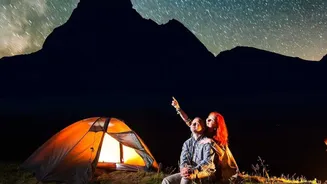
A New Kind of Winter Pilgrimage
While winter once meant seeking sun on a beach or cosying up indoors, a different kind of travel is taking hold. An increasing number of Indians are chasing darkness, not light. They are flocking to remote, high-altitude deserts and secluded valleys,
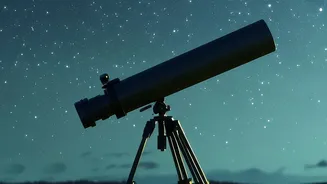
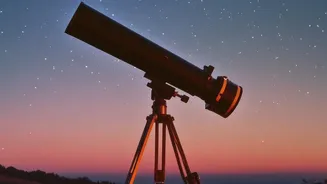
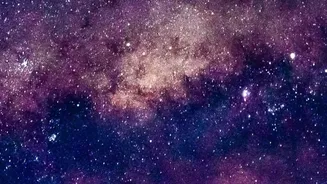
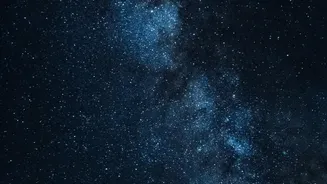
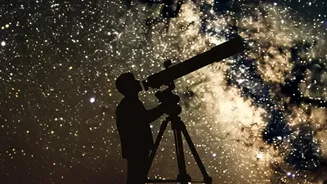
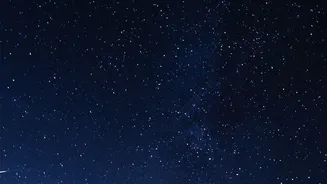
armed with DSLR cameras and a desire to capture the cosmos. The catalyst for this movement is the rise of night-sky photography workshops, which combine tourism, education, and a profound connection with the universe. Tour operators and expert photographers now lead groups to some of India's darkest corners, teaching them how to immortalise the Milky Way, star trails, and distant galaxies.
India's Celestial Sanctuaries
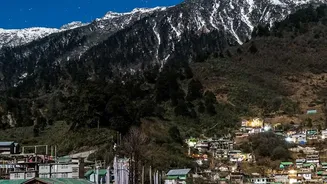
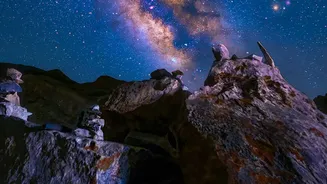
The search for pristine night skies leads enthusiasts far from the light-polluted haze of urban centres. Locations like the Spiti Valley and Ladakh in the Himalayas have become prime destinations. In winter, the cold, dry air at high altitudes offers exceptional clarity, and the long nights provide ample time for photography. Hanle in Ladakh, home to India's first official Dark Sky Reserve, provides what many astronomers consider the best stargazing in Asia. But the Himalayas don't have a monopoly on the heavens. The white salt desert of the Rann of Kutch in Gujarat and protected reserves like Sariska also offer incredible celestial views, each providing a unique landscape to frame the stars against.
More Than Just Clicking a Button
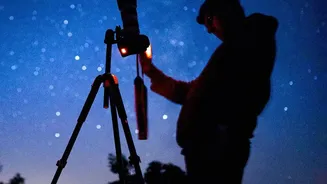
These workshops are far more than simple photo tours; they are intensive, hands-on learning experiences. Participants, who range from curious beginners to seasoned hobbyists, learn the technical skills required for astrophotography—a genre that demands patience and precision. Instructors guide them through manual camera settings, teaching them how to balance ISO, aperture, and long shutter speeds to capture faint starlight without noise. Sessions often cover planning a shoot, composing a shot with a compelling foreground, and the art of post-processing to bring out the hidden details of the cosmos. For many, the experience is transformative, fostering a community of like-minded individuals under a shared sky.
The Lure of the Dark
What is driving this celestial migration? The trend is fuelled by a confluence of factors. Firstly, there's a growing 'noctourism' movement, a reaction against the over-tourism of conventional spots and a search for more meaningful experiences. The pandemic amplified a desire for outdoor, nature-based travel. Secondly, the accessibility of high-quality digital cameras has put professional-level photography within reach for many. Finally, there is a burgeoning public fascination with space, spurred by the recent successes of Indian space missions and a general curiosity about the cosmos. Escaping the city's glow to see a sky our ancestors took for granted has become a powerful, sought-after experience. It's a retreat into stillness and wonder.
Joining the Starry Expedition
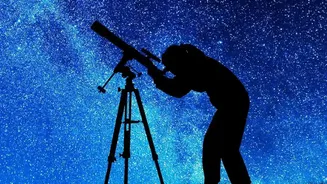
For those looking to join, a typical workshop spans several days and is often planned around the new moon, when the sky is at its darkest. Companies like Starscapes and Astroport, along with numerous freelance photographer-guides, offer packages that include accommodation, transport, and expert instruction. While some workshops provide specialised equipment like telescopes and star trackers, participants are generally expected to bring their own DSLR or mirrorless camera with manual controls and a sturdy tripod. The experience demands a spirit of adventure, as these locations are often remote with basic amenities and can involve dealing with high altitudes and cold weather. However, the reward is a gallery of stunning images and a renewed sense of awe.