



The Two-Front Problem: Food Spoilage and Chemical Leaching
Modern lunch planning faces two distinct but related challenges. First, there's the issue of heat. Bacteria that cause foodborne illness multiply rapidly in what's known as the 'Danger Zone'—temperatures between 40°F (4°C) and 140°F (60°C). A lunchbox
left in a warm car or office can easily enter this zone, turning a perfectly good meal into a health risk within hours. If the ambient temperature is above 90°F, food should not be left unrefrigerated for more than an hour. The second problem is plastic. While incredibly convenient, many plastic containers contain chemical additives like bisphenol A (BPA) and phthalates. When plastic is heated—for instance, by microwaving leftovers or simply being left in a hot environment—these chemicals can migrate, or 'leach,' into your food. Even plastics labelled 'microwave-safe' are not immune; the label only means the container won't warp or melt, not that chemical transfer is prevented.
Understanding the Health Concerns
The chemicals that can leach from plastic are a growing area of scientific concern. Substances like BPA and phthalates are known as endocrine-disrupting chemicals (EDCs). This means they can interfere with the body's hormonal systems. Research has linked exposure to such chemicals with a range of potential health issues, including metabolic disorders, reproductive problems, and even an increased risk for certain cancers. Furthermore, heating plastic can release millions of tiny microplastic and nanoplastic particles into your meal. While the long-term effects of ingesting these particles are still being studied, the evidence points toward a clear benefit in minimizing exposure wherever possible.
Smarter Packing for Hot Weather
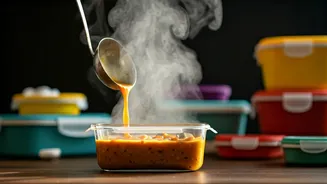
Keeping your lunch safe from spoilage on warm days requires a proactive strategy. The goal is to keep cold foods cold. Start by investing in a good quality insulated lunch bag. For perishable items like sandwiches with meat, dairy, or cooked leftovers, using at least one or two frozen gel packs is essential. You can also freeze a water bottle or juice box to act as a supplementary ice pack that will thaw by lunchtime. Always pack food cold, directly from the refrigerator, rather than at room temperature. If you're packing a hot lunch like soup or stew, use a quality insulated thermos. You can 'prime' the thermos by filling it with boiling water for a few minutes before emptying it and adding the piping hot food.
Choosing Safer Lunch Containers
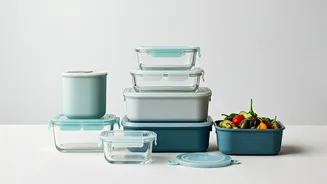
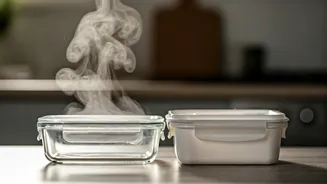
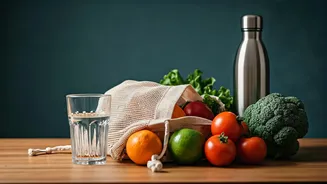
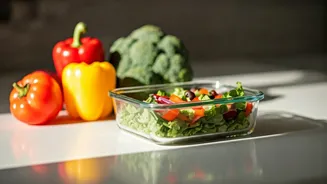
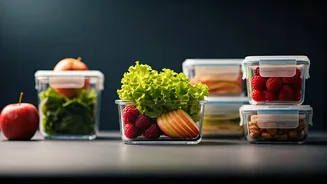
Moving away from plastic is one of the single best changes you can make. Luckily, there are many excellent alternatives available. Stainless steel is a fantastic choice; it's durable, lightweight, non-toxic, and won't leach chemicals into your food. Many stainless steel bento boxes are available, which are perfect for keeping different food items separate. Glass containers are another safe and reliable option, especially if you plan to reheat your lunch, as they can go directly into the microwave. Their main drawback is their weight and breakability. Food-grade silicone is a good, flexible alternative for snack bags and containers, but ensure you are buying high-quality products without plastic fillers.
The Golden Rule of Reheating
If you must pack your lunch in a plastic container, adopt one simple, crucial habit: never microwave your food in it. No matter what type of plastic it is, or whether it's labelled as safe for microwave use, the risk of chemical migration increases significantly with heat. The safest practice is to always transfer your food from the plastic container to a ceramic or glass plate or bowl before reheating. This single step takes only a few seconds but effectively eliminates the risk of ingesting chemicals that have leached due to the intense heat of a microwave.