




What is Animal Flow?
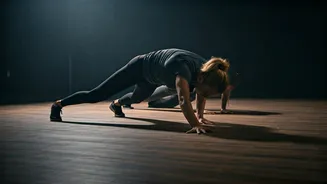
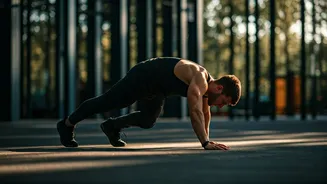
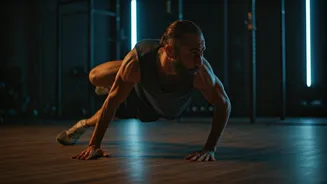
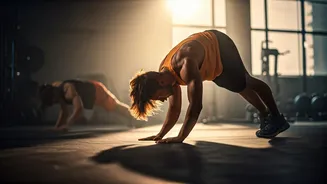
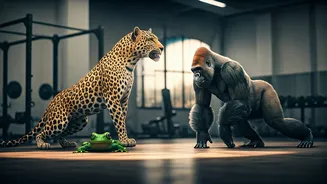
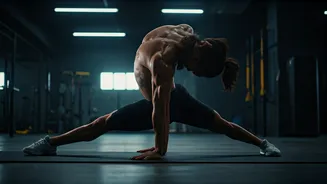
At first glance, Animal Flow looks like a blend of yoga, breakdancing, and gymnastics. It’s a ground-based movement system where you flow from one position to another, mimicking the movements of animals. Created by fitness expert Mike Fitch, the practice
is designed to improve the way our bodies function as an integrated system. Unlike isolated exercises like bicep curls, which target a single muscle, Animal Flow is about training the body to work as one cohesive unit. It’s a quadrupedal movement practice, meaning you spend a lot of time on all fours. This reconnects us to fundamental human movement patterns we master as infants but often lose as adults who spend too much time sitting in chairs.
The Power of Functional Mobility
The headline promises ‘functional mobility,’ but what does that actually mean? Think of it as mobility with a purpose. It’s not just about being flexible, like being able to touch your toes. It’s about having the strength, stability, and control to move through your full range of motion. Functional mobility is what allows you to squat down to pick up a heavy box without throwing your back out, play a game of cricket with your kids without pulling a muscle, or simply get up from the floor with ease. Animal Flow drills force your joints to move in multiple planes of motion while under your body's load, building usable, real-world strength and resilience that translates directly into everyday life and athletic performance.
Beyond Mobility: Strength and Coordination
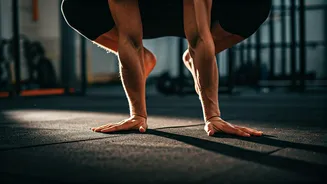
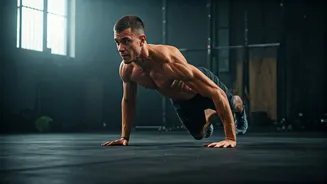
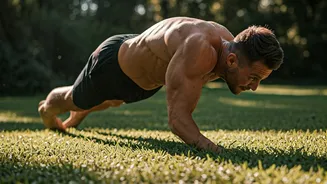
While mobility is a key benefit, Animal Flow is a full-body workout. Supporting your own bodyweight in various positions—like the ‘Beast’ or ‘Crab’—builds serious muscular endurance and stability, especially in the core, shoulders, and wrists. Your entire trunk has to fire constantly to keep you stable as you transition between movements. Furthermore, the practice is a huge boost for neuromuscular coordination. Remembering the sequences and flowing smoothly from one form to the next requires intense focus, creating a stronger connection between your brain and your body. This mind-muscle connection is not just beneficial in the gym; it improves your reaction time, balance, and overall physical intelligence.
The Core Forms: Ape, Beast, and Crab
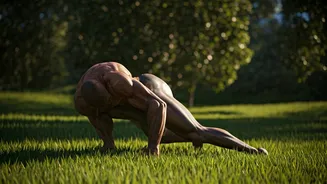
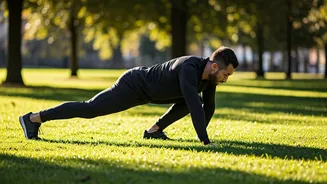
The entire system is built around a few foundational positions. Understanding them unlocks the practice. The ‘Beast’ is a quadrupedal position with your knees hovering just off the ground, activating your core like little else. The ‘Crab’ is its opposite, a seated position with your hands behind you, opening up the chest and shoulders. From these base forms, you learn transitions and movements. For example, a ‘Crab Reach’ involves lifting your hips and reaching one arm overhead, creating a beautiful full-body stretch and strengthening the entire posterior chain. An ‘Ape’ movement might involve a low, travelling squat. These aren't just exercises; they are components of a physical language you learn to speak.
How to Get Started at Home
The beauty of Animal Flow is its accessibility. All you need is a bit of clear floor space. Start slow. Your wrists, in particular, will need time to adapt to bearing your weight. Begin with simple static holds in the Beast and Crab positions to build foundational strength. Focus on form over speed. The goal isn't to rush through the movements but to perform them with control and intention. There are many certified instructors in India and countless high-quality tutorials online from official Animal Flow coaches. Look for beginner-friendly flows that break down the movements step-by-step. Even just 10-15 minutes a day can make a remarkable difference in how your body feels and moves.