


A Paradise Under Pressure
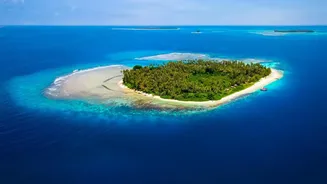
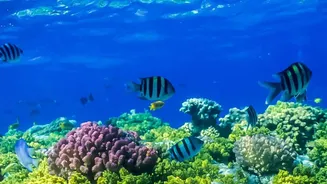
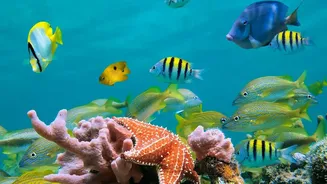
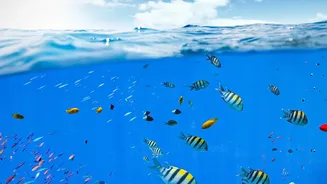
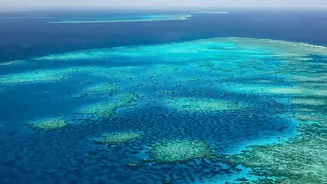
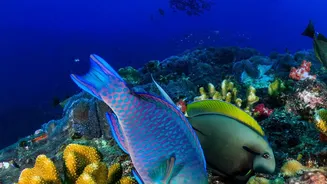
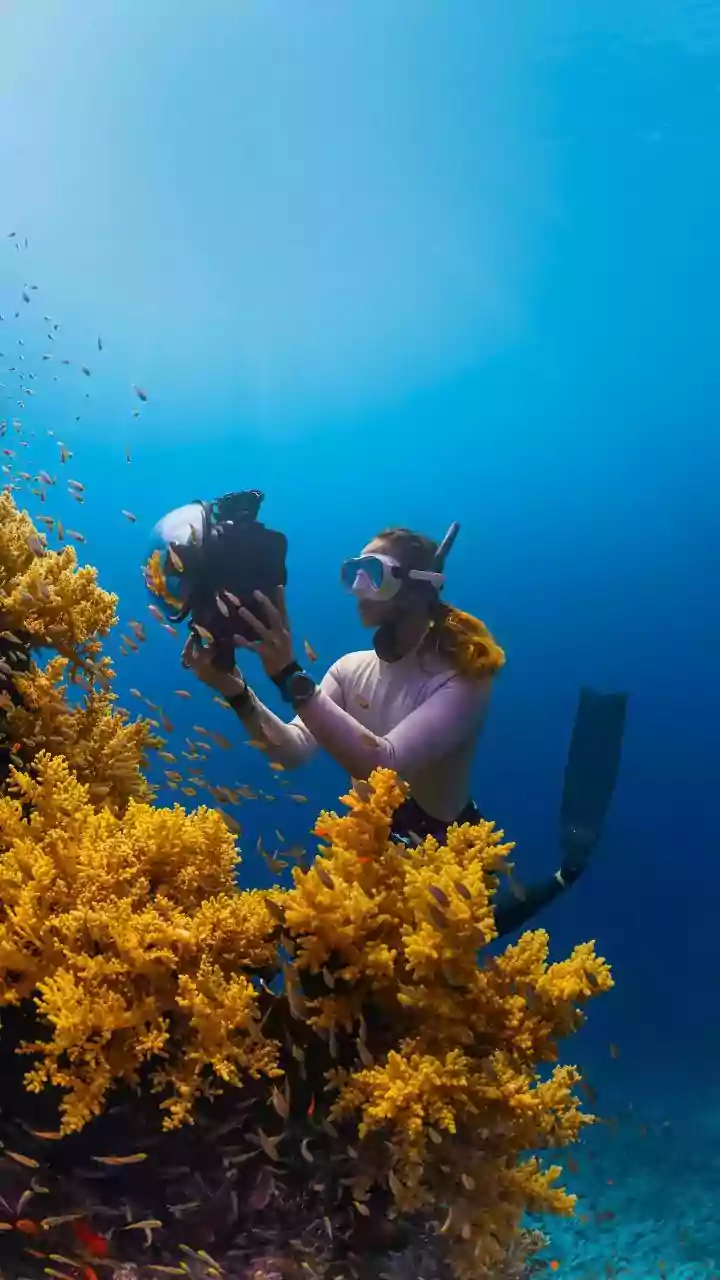
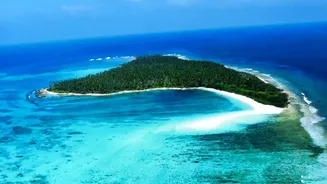
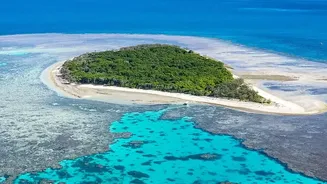
The Lakshadweep archipelago is an ecological marvel, comprised of 36 coral islands, atolls, and vibrant reefs teeming with life. These 'rainforests of the sea' are not just beautiful; they are vital. They support about 25% of all marine life, act as natural
barriers protecting the islands from wave erosion, and sustain the livelihoods of the local communities. However, this delicate paradise has been under increasing pressure. Climate change has led to rising sea temperatures, causing severe coral bleaching events. Alongside this global threat, localized pressures from pollution, coral mining, and the physical damage associated with tourism can accelerate the decline of these fragile ecosystems.
The Regulatory Shield: A New Approach
Recognising the need for a delicate balance between promoting tourism and preserving its natural wealth, the Lakshadweep administration has implemented a series of robust, eco-first regulations. The core of this strategy is a permit-based system that manages the number of visitors, preventing the overwhelming effects of mass tourism. All visitors, including Indian nationals, require a special entry permit, a process designed to protect both the islands' environment and unique cultural identity. This policy is part of a broader vision to establish Lakshadweep as a model for sustainable development, supported by national initiatives like the Swadesh Darshan 2.0 scheme, which funds eco-friendly infrastructure.
Smarter, Safer Water Sports
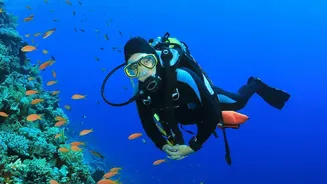
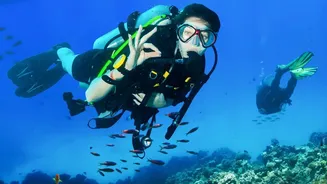
The regulations extend directly to the water sports that draw so many to the islands. Activities are strictly managed to minimize their environmental footprint. For instance, touching or destroying coral is punishable by law, a rule strictly enforced by tour operators. There's a strong emphasis on non-motorized activities like kayaking and canoeing in the serene lagoons. On some islands, like Kalpeni, motorized water sports have been banned entirely to prevent pollution and noise disturbance. Even for popular activities like scuba diving and snorkeling, operations are managed by certified centres like SPORTS (Society for Promotion of Nature Tourism and Sports), ensuring that guides are professionally trained and adhere to safety and environmental protocols.
From Policy to Practical Impact
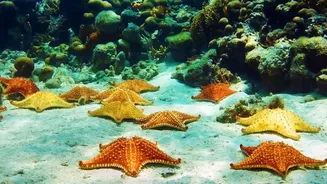
These rules create direct, tangible benefits for the coral ecosystems. Limiting tourist numbers reduces wastewater and physical stress on the reefs. The ban on single-use plastics across the islands significantly cuts down on marine debris that can smother coral and harm wildlife. Tourists are actively encouraged to participate in conservation by using reef-safe sunscreen and not collecting shells or coral as souvenirs. Furthermore, promoting activities like glass-bottom boat rides allows non-swimmers to appreciate the reefs without direct contact, broadening the scope of eco-tourism. Community involvement is also a key component, with locals acting as stewards and guides, ensuring that traditional knowledge informs conservation efforts.
A Resilient Future and a Model for India
While challenges like global warming remain, Lakshadweep’s proactive stance offers a powerful case study in how to manage a fragile ecosystem. Despite global bleaching events, recent discoveries of healthy, thriving coral stretches in areas like Kalpeni show that with careful management, these ecosystems can demonstrate remarkable resilience. Lakshadweep's approach, which prioritises low-impact infrastructure, community empowerment, and strict environmental safeguards, is positioning it as a blueprint for sustainable tourism. It demonstrates that economic growth through tourism doesn't have to come at the expense of ecological integrity, offering a hopeful model for other sensitive coastal regions across India.